Felis catus
Highlander Longhair
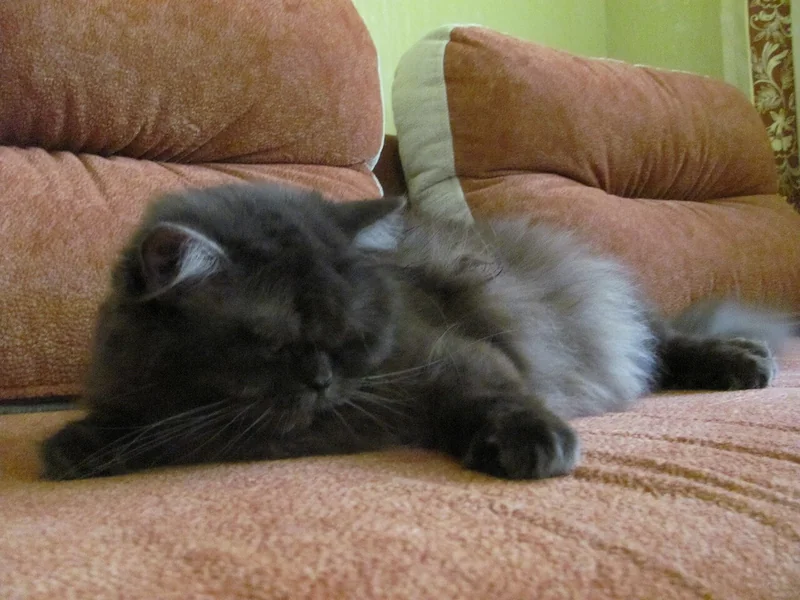 Featured photohighlander-longhair.jpg
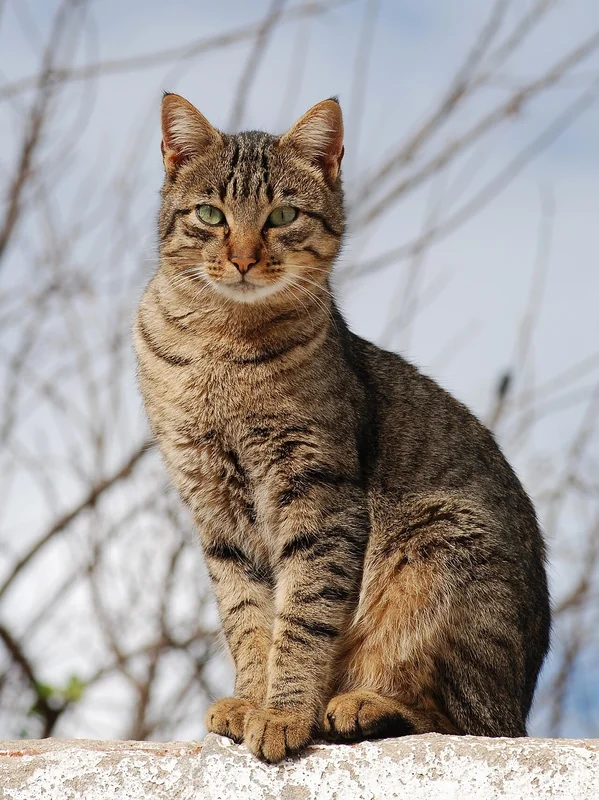
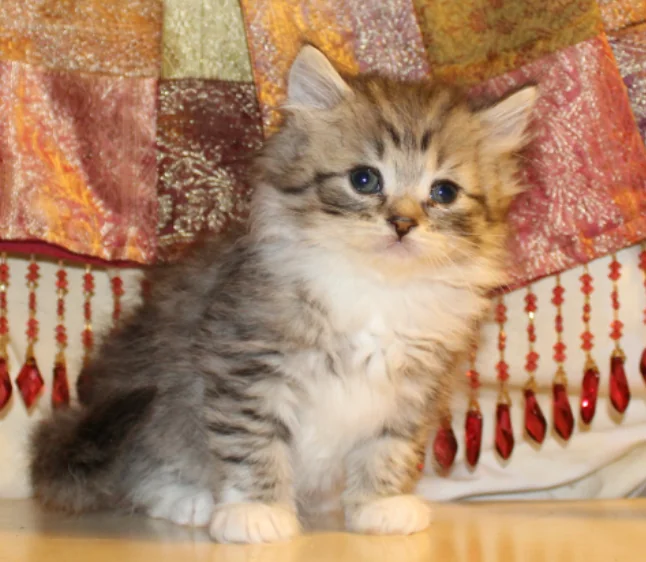
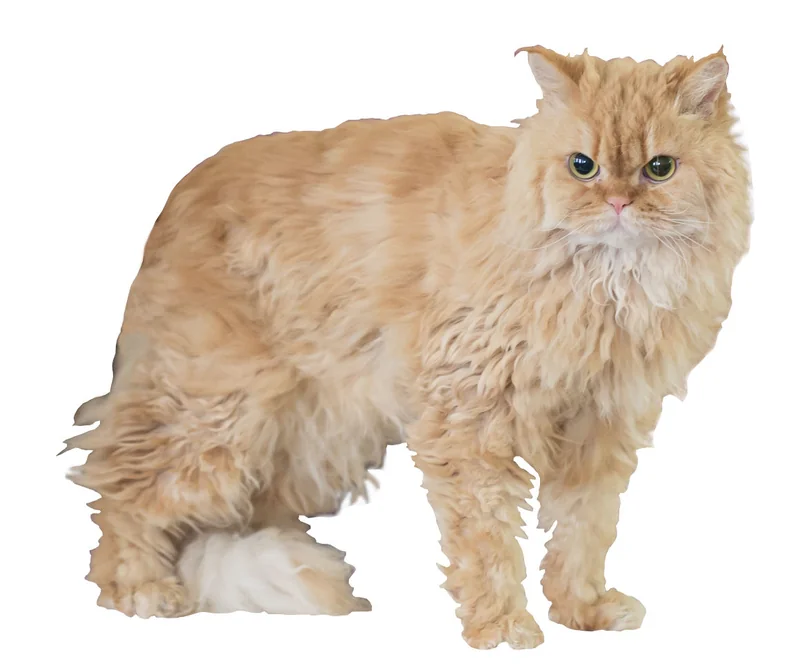
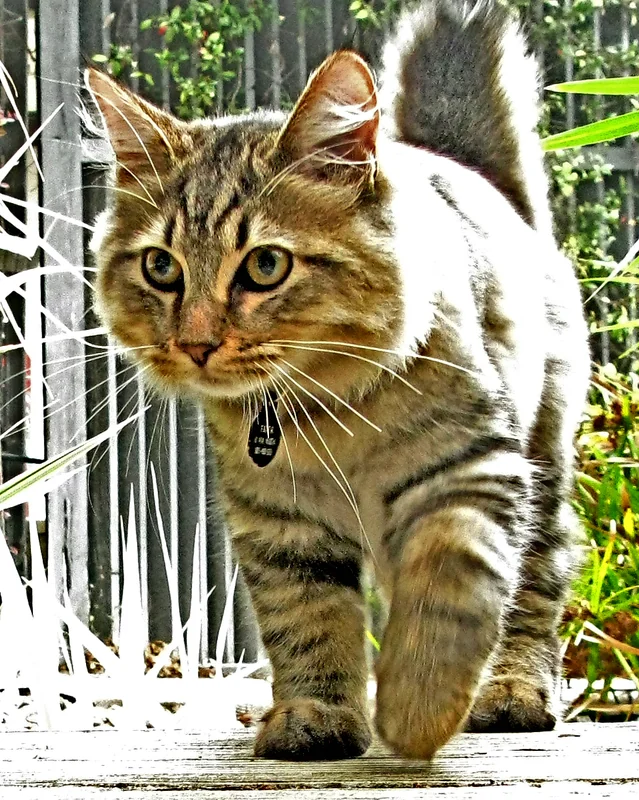
The Highlander Longhair is the semi-longhaired coat-length variety of the Highlander breed, recognized by TICA as a separate championship class. Both the shorthaired and longhaired Highlander share the same distinctive combination: curled-back ears (from American Curl × Jungle Cat ancestry) and a short bobbed tail. The Highlander was developed in the USA in the early 2000s from Desert Lynx and Highland Lynx breeding programmes, intended to produce a domestic cat with the appearance of a large wild cat. The longhair variety has a semi-long, shaggy coat that accentuates its wild appearance.
Quick facts
- Origin country
- United States
- Origin period
- Early 2000s from Desert Lynx / Highland Lynx lines; TICA acceptance 2008
- Coat type
- Long
- Coat colors
- All colours and patterns; spotted and ticked tabbies preferred
- Size category
- Large
- Average lifespan
- 10-15 years
- Recognition
- TICA 2008
Origin
The Highlander was developed from Desert Lynx and Highland Lynx programmes, both of which combined American Curl (for curled ears), domestic bobtailed cats, and various large-body breeds. No verified wild-cat genetics have been confirmed in tested Highlanders. The breed was named Highlander when it entered TICA registration to distinguish it from programmes claiming Jungle Cat or Bobcat ancestry.
Standard
The TICA Highlander Longhair standard describes a large, powerful cat with a long body and substantial bone. Ears curl back from the face at the tip; eye shape is moderately almond; the tail is naturally bobbed. The longhair coat is semi-long to long, with a moderate undercoat and a shaggy texture. Spotted and ticked tabby patterns strongly resembling wild-cat markings are standard for show purposes, though all colours are registered.
Ear and Toe Traits
The Highlander combines two mutations: the Desert Lynx's curled-back ear tips and the American Polydactyl's extra-toed gene. The curled ears result from a cartilage modification that turns the ear tips backward and outward, giving the breed its distinctive lynx-like appearance. Polydactyly is not required but is accepted and considered a desirable trait. The ear curl is a dominant trait; crossed to a straight-eared breed, approximately half the offspring will have curled ears.
Sources & further reading (2)
- encyclopedia — accessed 2026-05-27
- registry-breed-profile — accessed 2026-05-27
Frequently asked questions
Are Highlander cats a wild-cat hybrid?
No genetic evidence confirms wild-cat ancestry in the Highlander. DNA testing of show-quality Highlanders has not detected Jungle Cat or Bobcat genetics. The breed's wild appearance is the result of selective breeding for large size, specific ear curl, bobtail, and spotted tabby pattern among domestic cats.
Are the Highlander's curled ears related to the Scottish Fold mutation?
No. The Highlander's ear curl turns the ear tip backward, not folded flat against the skull as in the Scottish Fold. The two are unrelated mutations at different loci. The Scottish Fold's OCA2/TRPV4 mutation causes cartilage abnormalities throughout the body; the Highlander's ear curl is reported to be limited to the ear tip cartilage modification and is not associated with the systemic skeletal problems linked to Scottish Fold homozygosity.
Can Highlander Longhairs be shown at CFA shows?
No. CFA does not recognize the Highlander in any coat-length class. TICA championship covers both coat-length classes. CFA's breed list does not include any breed combining curled ears with a bobtail; the closest CFA-recognized breeds are the American Curl (straight-tail, curled ears) and the American Bobtail (bobtail, straight ears).