Felis catus
Cashmere
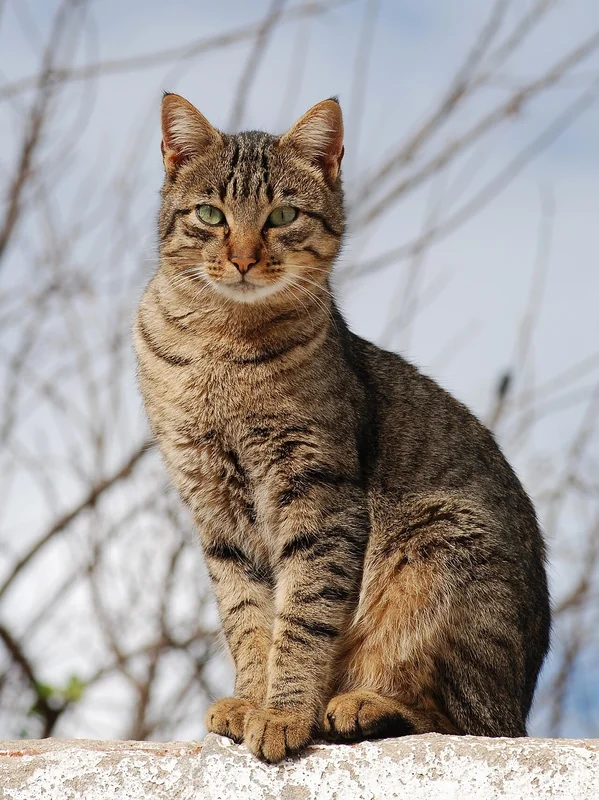 Featured photocashmere.jpg
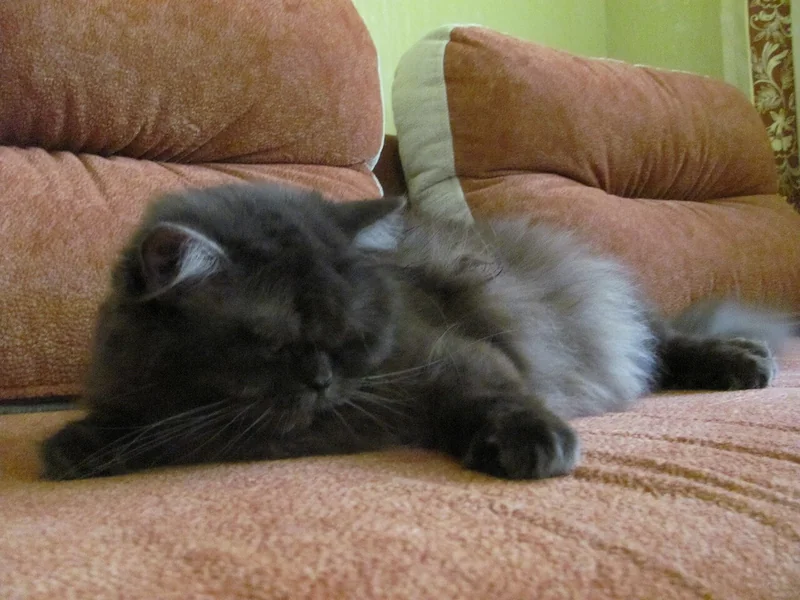
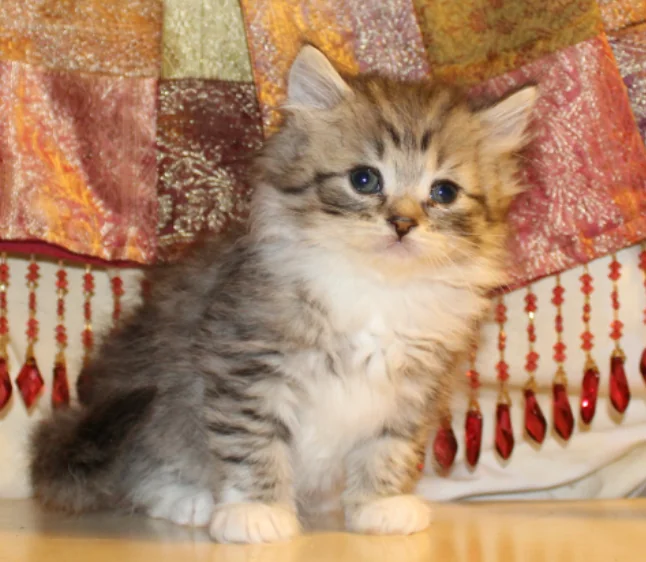
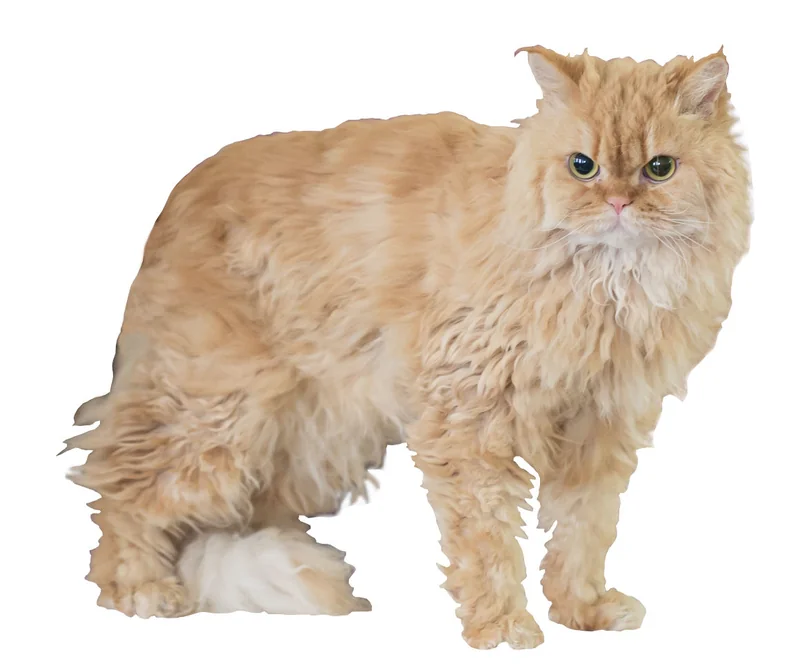
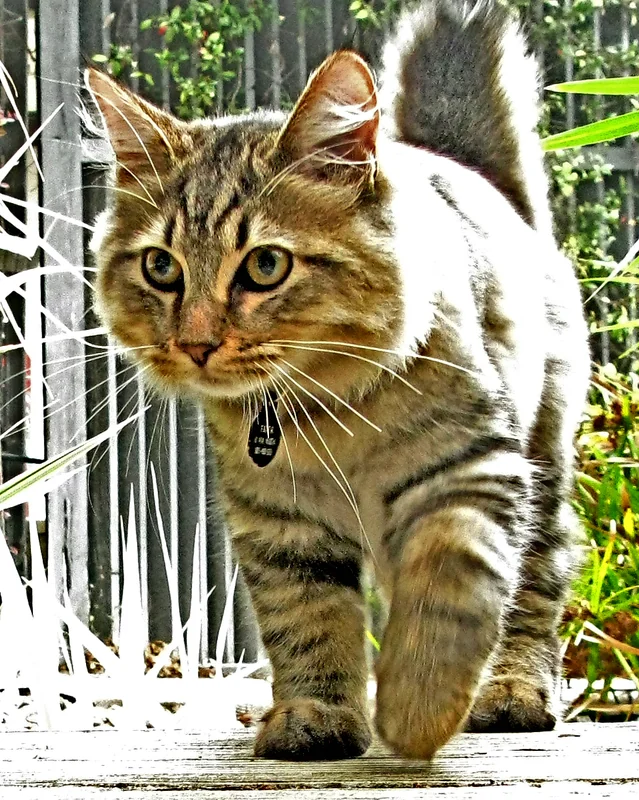
The Cashmere is the long-coated form of the Bengal cat, carrying the same rosetted or marbled wild-type pattern in a silky, flowing coat. TICA accepted the Cashmere into its experimental new breed program, recognizing it as a distinct breed from the shorthaired Bengal. Long-coated kittens appear in Bengal litters due to a recessive long-hair gene that entered the founding population through Asian Leopard Cat crosses or through domestic longhair introductions in early Bengal breeding programs.
Quick facts
- Origin country
- United States
- Origin period
- Long-coated Bengal kittens documented from 1980s; TICA experimental recognition 2013
- Coat type
- Long
- Coat colors
- Brown spotted tabby (rosettes/marbling), Silver spotted, Snow (seal lynx, seal mink, seal sepia) spotted, All in rosetted or marbled patterns
- Size category
- Large
- Average lifespan
- 12-16 years
- Recognition
- TICA 2013
Origin
Long-coated Bengals began appearing in litters from the early Bengal breeding programs of the 1970s and 1980s. Jean Mill, who developed the Bengal through Asian Leopard Cat-domestic cat crosses, and subsequent breeders noticed longhaired kittens in their lines periodically. The long-hair gene is recessive; two shorthaired Bengal parents that both carry one copy of the gene can produce longhaired offspring. Early show standards excluded longhaired Bengals, but as the number of longhaired Bengal kittens increased, breeders formed groups to develop a separate registration. TICA accepted the Cashmere into its experimental new breed program in 2013.
Coat and Genetics
The Cashmere's coat is caused by the recessive long-hair gene (FGF5 locus), the same gene responsible for longhaired coats in other domestic cats. Despite being called 'long-haired,' the Cashmere coat is medium to semi-long rather than the full-length coat of a Persian or Norwegian Forest Cat; it is silky and flowing without the dense undercoat of traditional longhaired breeds. The wild-type spotted and marbled patterns identical to the shorthaired Bengal are fully expressed in the Cashmere coat. The rosettes and marbling are clearly visible through the flowing hair.
Appearance
The Cashmere standard mirrors the Bengal standard in body type: a large, muscular, athletic cat with a slightly small head relative to the body, a thick neck, high haunches, and a thick, tapering tail. The coat is medium-long to long, silky, and flowing, without the coarse texture of a fully double-coated longhaired breed. The wild-type spotted or marbled pattern must be clearly visible through the coat. Eyes are large and oval, often green or gold. The overall appearance is of a wild-looking, athletic cat with a flowing coat that softens but does not hide the underlying pattern.
Sources & further reading (2)
- encyclopedia — accessed 2026-05-07
- registry-breed-profile — accessed 2026-05-07
Frequently asked questions
How is the Cashmere different from the Bengal?
The Cashmere is genetically identical to the Bengal in all respects except coat length. Both have the same wild-type spotted or marbled pattern derived from the Asian Leopard Cat ancestry. The Cashmere carries two copies of the recessive long-hair gene, producing a medium-long, silky coat. TICA registers them as separate breeds; the shorthaired form is the Bengal and the longhaired form is the Cashmere.
Does the long coat affect the Bengal pattern visibility?
The Cashmere's medium-long coat is silky and somewhat flowing but does not obscure the spotted or marbled pattern. The rosettes and marbling are clearly visible through the coat, especially when the cat is moving. The coat texture is different from densely undercoated longhair breeds and lies relatively flat, allowing the pattern to show through.
When did TICA recognize the Cashmere?
TICA accepted the Cashmere into its experimental new breed program in 2013. The breed is still in development status and has not achieved full TICA championship standing as of 2026. Long-coated Bengal kittens began appearing in litters from the earliest Bengal breeding programs in the 1970s-1980s, but formal registry recognition was pursued only from the 2000s onward.