Felis catus
American Lynx
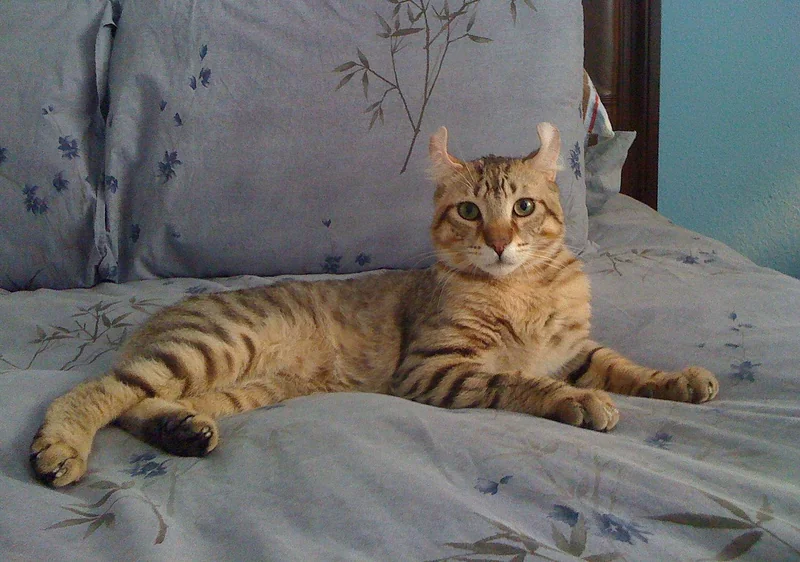
The American Lynx is a TICA experimental domestic breed combining a naturally occurring bobtail with tufted lynx-like ears to produce a cat resembling a wild North American lynx. The breed is maintained in TICA's experimental programme. The standard describes a large, muscular cat with tabby coat patterns that emphasize the wild appearance.
Quick facts
- Origin country
- United States
- Origin period
- 1980s–1990s experimental programme; TICA experimental registration
- Coat type
- Short
- Coat colors
- Spotted tabby and ticked tabby preferred; all colors registered
- Size category
- Medium
- Average lifespan
- 12-15 years
- Recognition
- —
Origin
The American Lynx programme aimed to create a domestic cat resembling the North American lynx through selective breeding of naturally occurring polydactyl, bobtailed, and ear-tufted domestic cats. No wild lynx genetics were involved. The programme ran during the 1980s–1990s and was eventually absorbed into the broader Highland Lynx/Highlander breed development effort.
Type
The American Lynx type standard described a medium to large, muscular domestic cat with a substantial bobtail, polydactyl feet (often 5–7 toes), large tufted ears, and bold spotted tabby markings. The goal was a 'wild look' from domestic genetics. The type was later refined in the Highland Lynx and Highlander breed standards.
TICA Experimental Programme
The American Lynx is maintained within TICA's experimental breeding programme, which allows registration, documentation, and exhibition of breeds not yet eligible for championship. Experimental status requires a minimum number of registered cats and documented breeding records. The American Lynx programme focuses on developing a consistent bobtail + tufted-ear combination while maintaining a domestic cat disposition and standard health parameters.
Sources & further reading (1)
- encyclopedia — accessed 2026-05-27
Frequently asked questions
Does the American Lynx contain wild North American lynx genetics?
No verified wild North American lynx (Lynx canadensis) genetics have been confirmed in American Lynx or descended Highlander cats through DNA testing. The wild appearance was achieved through selective breeding of domestic cats with naturally occurring spotted tabby, polydactyl, ear-curl, and bobtail traits.
What is required for the American Lynx to advance beyond TICA experimental status?
For a breed to advance from TICA's experimental programme toward championship, breeders must demonstrate a stable, consistently reproducing population of a minimum number of registered cats across multiple generations, standardize the breed description, and form a breed club that can support a formal application. The American Lynx programme has not yet reached this threshold.
What is TICA's experimental programme?
TICA's experimental programme allows registration, documentation, and exhibition of breeds not yet eligible for championship. Breeders in the programme must maintain documented pedigrees, meet minimum population thresholds, and operate under a breed club to eventually apply for New Breed and then Championship status.