Felis catus
American Shorthair
 Featured photoamerican-shorthair.jpg
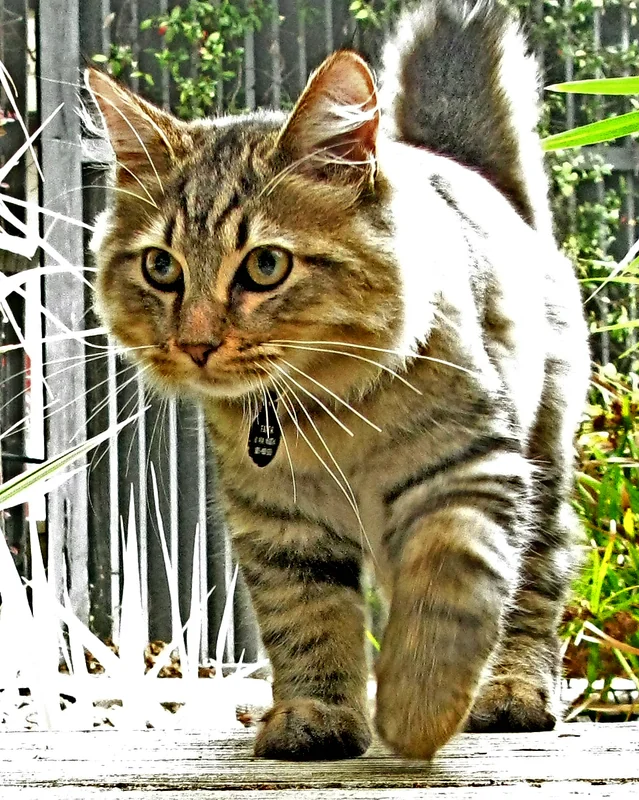
The American Shorthair is a pedigreed working cat descended from the domestic shorthairs that arrived in North America with European settlers. The Cat Fanciers' Association admitted the breed among its founding group in 1906 under the name Domestic Shorthair; it was renamed American Shorthair in 1966 to distinguish it from random-bred domestic cats. The FIFe standard was published in 1982, and TICA recognized the breed at its 1979 founding. The standard describes a well-built, sturdy cat adapted to varied climates.
Quick facts
- Origin country
- United States
- Origin period
- Early 20th century; renamed from Domestic Shorthair 1966
- Coat type
- Short
- Coat colors
- Silver Classic Tabby, Brown Tabby, Red Tabby, Blue Tabby, Solid Black, Solid White, Solid Blue, Tortoiseshell, Bicolor, Calico, Smoke, Shaded
- Size category
- Medium
- Average lifespan
- 15-20 years
- Recognition
- CFA 1906 · TICA 1979 · FIFe 1982
Origin
The American Shorthair descends from domestic shorthaired cats that arrived in North America with European settlers from the late 16th century. These working cats were valued on farms, ships, and in settlements for their utility as mousers. The formal pedigree history begins with CFA's 1906 founding, when the breed was admitted under the name Domestic Shorthair. A deliberate selective-breeding programme in the early 20th century codified type and produced the consistent moderate conformation recognized today.
Recognition
The Cat Fanciers' Association admitted the breed among its founding group in 1906 as the Domestic Shorthair. In 1966 it was renamed American Shorthair to reflect its distinct pedigreed status. The International Cat Association recognized the breed at its 1979 founding, and the FIFe standard was published in 1982. The four major international registries — CFA, TICA, FIFe, and several GCCF-affiliated bodies — maintain current standards.
Standard
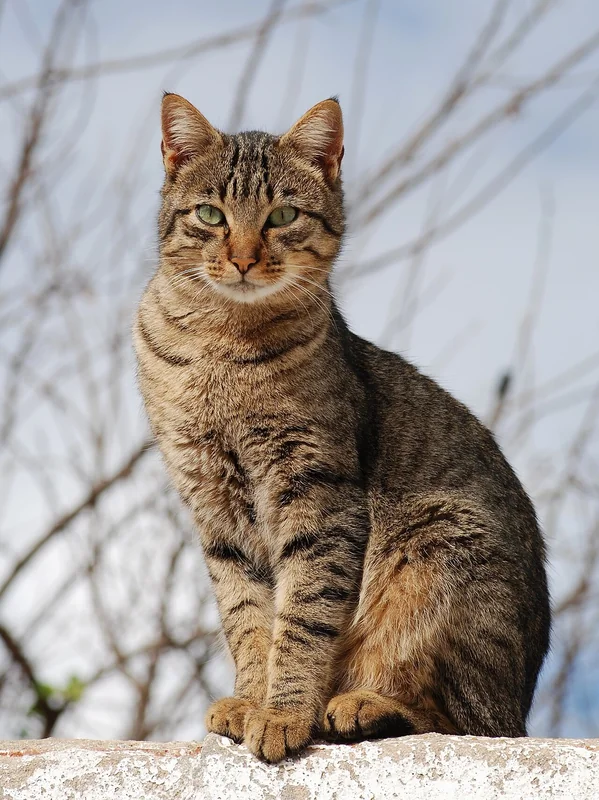
The CFA standard describes a well-built, hard and muscular cat with a powerful body on sturdy legs. The head is oblong, larger in males, with a full-cheeked face giving the appearance of an oblong in width. The coat is thick, hard in texture, and dense enough to protect the skin. Recognized colour divisions number more than eighty, including the Silver Classic Tabby — one of the most-cited patterns in the American cat fancy — alongside solid colours, bicolour, smoke, and shaded varieties.
Sources & further reading (3)
- registry-breed-profile — accessed 2026-04-30
- encyclopedia — accessed 2026-04-30
- tica-standard — accessed 2026-04-30
Frequently asked questions
When was the American Shorthair recognized by CFA?
The Cat Fanciers' Association admitted the American Shorthair among its founding breed group in 1906, at that time under the name Domestic Shorthair. The breed was renamed American Shorthair in 1966 to distinguish it from non-pedigreed domestic cats.
Why was the breed renamed from Domestic Shorthair?
In 1966 breeders petitioned CFA to rename the Domestic Shorthair to American Shorthair to distinguish the pedigreed breed with its codified standard from the general non-pedigreed domestic cat population. The new name also recognised the breed's North American development as a distinct cultural and historical lineage.
What is the typical lifespan of an American Shorthair?
Breed-club records and veterinary insurance datasets consistently report a lifespan of 15 to 20 years for the American Shorthair — among the longest-lived of the major pedigreed breeds. The figure reflects the robust working-cat constitution encoded in the breed standard.