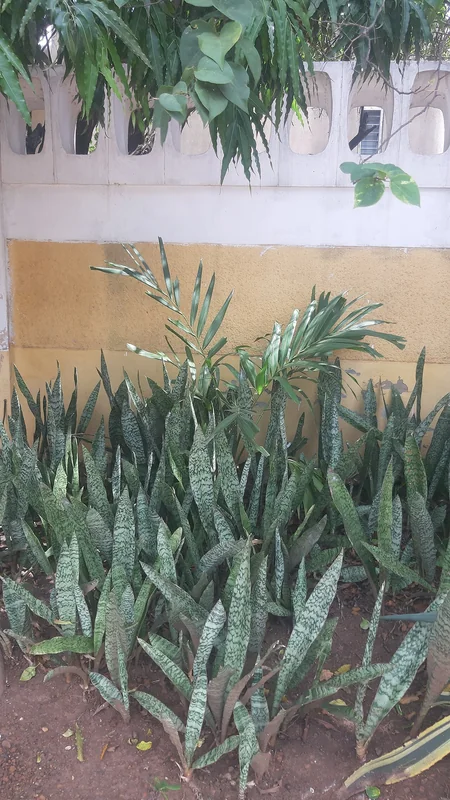
Dracaena trifasciata
Snake Plant Care Guide
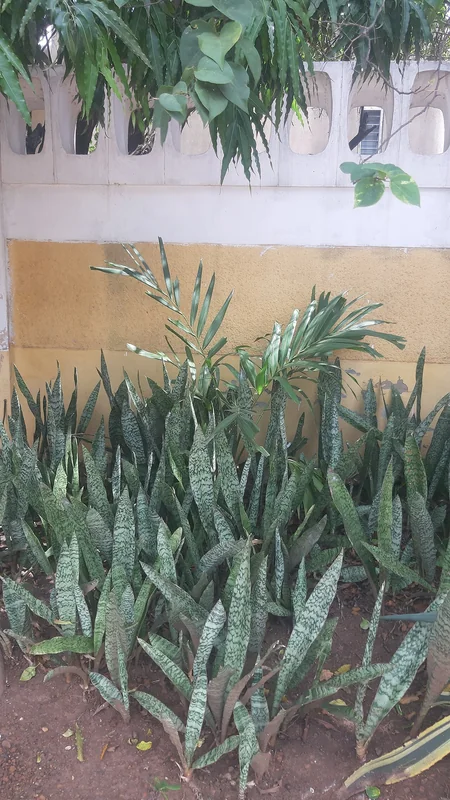 Featured photosansevieria-trifasciata.jpg
Snake plant is one of the more forgiving indoor plants because it handles lower light and drier soil better than many tropical houseplants. The key is restraint: a gritty mix, a pot with drainage, and a slower watering schedule prevent most failures. Once established, it tolerates average indoor air and only needs modest feeding during active growth.
Care facts at a glance
- Light
- Medium light
- Water
- Water only after most of the potting mix has dried out.
- Humidity
- 30–60 %
- Temperature
- 15–29 °C
- Soil
- Fast-draining cactus or succulent mix.
- Origin
- West and West-Central tropical Africa.
- Mature size
- 1 to 4 feet tall depending on cultivar.
Overview
Snake plant is valued for upright leaves, drought tolerance, and flexibility in average homes. It is a better candidate for low-maintenance interiors than moisture-loving tropicals.
Care Priorities
- Use a fast-draining mix.
- Water sparingly.
- Keep it out of cold drafts.
- Clean leaves occasionally so they can capture light efficiently.
Common Problems
Soft leaves and a mushy crown usually mean overwatering. Very stretched growth can happen in deep shade, even though the plant is often marketed as low-light tolerant.
Sources & further reading (1)
- extension — accessed 2026-04-24
Frequently asked questions
How much light does a snake plant really need?
It tolerates medium to low light, but it grows faster and keeps stronger form in brighter indirect light.
Why is my snake plant falling over?
Overwatering is the first thing to check. Weak light or a crowded, unstable pot can also make leaves lean.
Can I propagate snake plant from a single leaf?
Yes, but it is slower than division and variegated cultivars may not keep their pattern when propagated from leaf cuttings.