Vriesea splendens
Vriesea splendens Care Guide
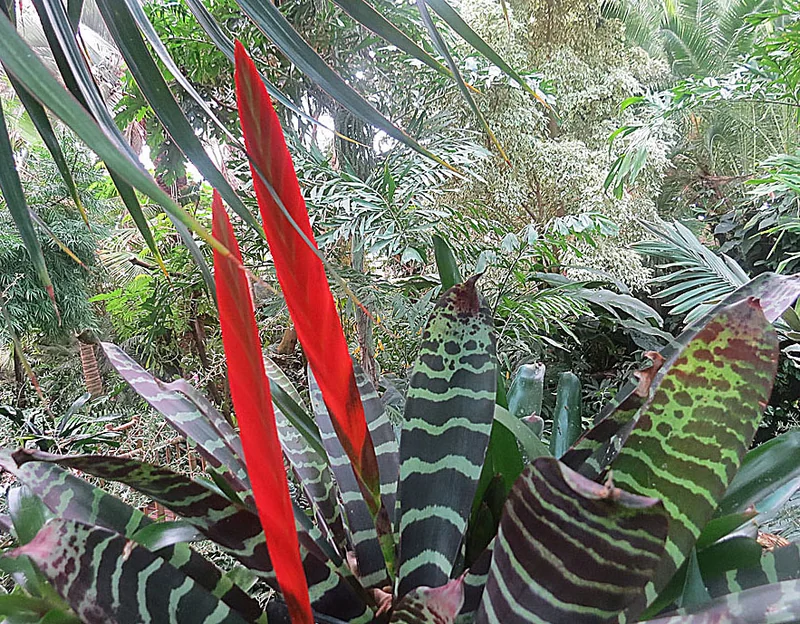 Featured photovriesea-splendens.jpg
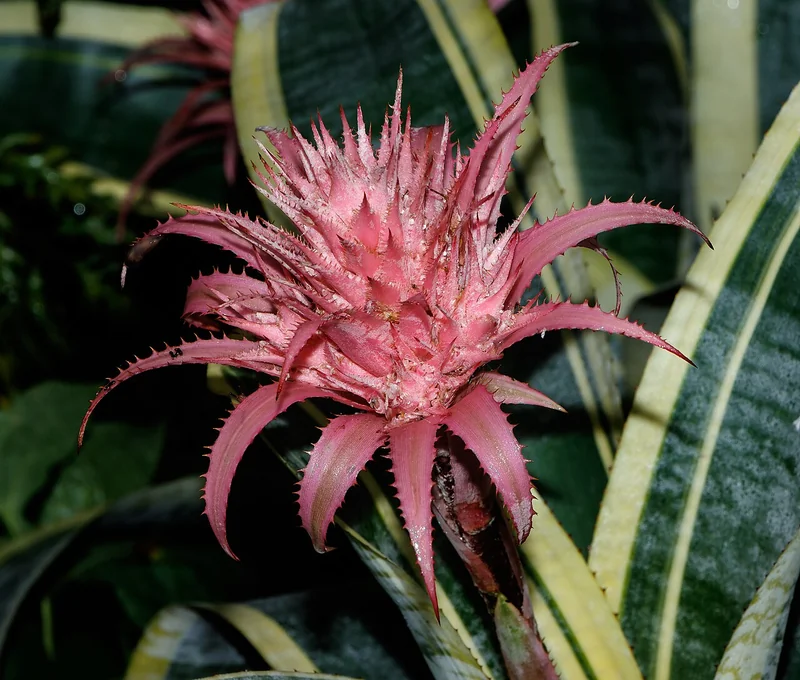
Vriesea splendens, the flaming sword, is one of the most popular and widely sold bromeliads, prized for its striking combination of dark-banded, strap-like leaves and a vivid red, sword-shaped flower spike that can last for months. Native to Venezuela, Trinidad, and Guyana, it grows as an epiphyte in humid tropical forests. The colourful inflorescence emerges from a central tank and slowly unfurls its vivid red bracts, from which the small yellow flowers emerge. It is an excellent, long-lasting indoor plant.
Care facts at a glance
- Light
- Bright indirect
- Water
- Keep the central cup (tank) filled with fresh water at all times; refresh every 2 weeks. Water the soil moderately when the top 2 cm dries.
- Humidity
- 55–80 %
- Temperature
- 15–30 °C
- Soil
- Epiphytic bromeliad mix: bark, perlite, and a small amount of compost; or in a coarse orchid medium.
- Origin
- Humid forest epiphyte in Venezuela, Trinidad, and Guyana.
- Mature size
- 40 to 60 cm tall; rosette 40 to 50 cm across.
Overview
Vriesea splendens was described by (Brongn.) Lem. and has been in cultivation since the 19th century. Its horizontal dark-green bands on a lighter green background create a bold graphic pattern that remains attractive even when the plant is not in flower. The flower spike can persist for 3 to 6 months, making it one of the longest-lasting flowering bromeliads. After the main rosette flowers and produces pups, it declines over 6 to 12 months.
Care Priorities
- Always keep the central tank filled with fresh water — this is the primary way the plant hydrates itself.
- Bright, indirect light prevents the banding from fading while avoiding scorch on the strap-like leaves.
- High humidity encourages vigorous growth and delays decline after flowering.
- Flush the central tank every 2 weeks to prevent stagnation and mosquito breeding.
Common Problems
A flower spike that fails to develop fully or turns brown prematurely usually indicates insufficient light or low humidity; improve both. Heart rot (mushy, foul-smelling centre) results from stagnant water in the tank; flush and clean the tank regularly. Spider mites establish in dry conditions; increase humidity and treat with neem oil if present.
Sources & further reading (2)
- botanical-garden — accessed 2026-05-08
- encyclopedia — accessed 2026-05-08
Frequently asked questions
How long does the flower spike last?
The vivid red bracts persist for 3 to 6 months, far longer than the tiny yellow flowers that emerge from them. The overall display is one of the longest-lasting of any indoor flowering plant.
Will the plant die after flowering?
The main rosette flowers once and then slowly declines. Before it dies, pups form at the base. Wait until pups reach one third of the mother's size, then separate and pot them individually.
Should I put water in the pot or only the tank?
Both — keep the soil moderately moist and always keep the central tank filled. The plant primarily hydrates through the tank but the roots need some moisture too.