Tillandsia stricta
Tillandsia stricta Care Guide
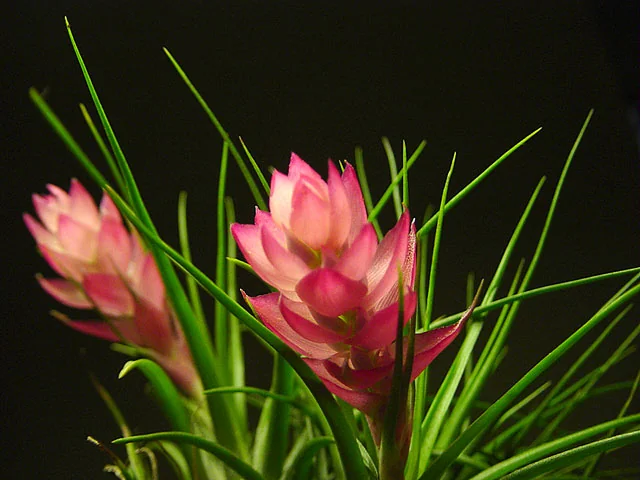 Featured phototillandsia-stricta.jpg
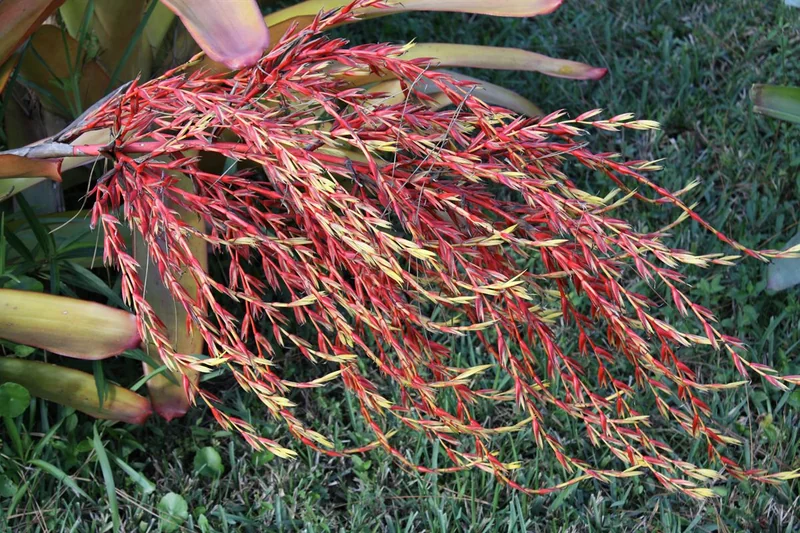
Tillandsia stricta is a widespread and variable South American air plant native to coastal and inland areas from Venezuela to Argentina. It produces an upright rosette of soft, narrow grey-green leaves and a distinctive, flattened, vivid pink to red inflorescence with blue-violet flowers. Among the most freely pupping tillandsias, it forms attractive multi-rosette clumps within a few years. Its combination of colourful flowering, tolerance for indoor conditions, and vigorous reproduction make it an excellent choice for beginners.
Care facts at a glance
- Light
- Bright indirect
- Water
- Soak for 20 to 30 minutes twice a week in summer; once per week or mist frequently in winter.
- Humidity
- 50–80 %
- Temperature
- 8–35 °C
- Soil
- No soil required — mount or display in a container with good airflow.
- Origin
- Coastal scrub, forests, and rocky habitats from Venezuela through Brazil and Argentina.
- Mature size
- 10 to 20 cm tall; spreads to 30 cm wide through pups.
Overview
Tillandsia stricta was described by Solander ex Ker Gawl. and is one of the most widespread tillandsias across South America. Its soft, flexible leaves distinguish it from stiffer silver species like T. xerographica. The pink-red bracts persist for weeks after the blue flowers have faded, extending its ornamental season. T. stricta is one of the most reliable bloomers among cultivated tillandsias, typically flowering annually under good conditions.
Care Priorities
- Tolerate higher humidity than desert tillandsias; good for coastal or humid climates.
- Bright, indirect light or some direct morning sun for the most vivid flower bract colour.
- Soak regularly; soft-leaved tillandsias generally need more water than silver, hard-leaved species.
- Allow pups to mature to at least one third the size of the mother before separating.
Common Problems
Leaf tips turning brown indicates insufficient water or too-low humidity; increase soaking frequency. A foul smell from the centre of the rosette is crown rot from trapped water; ensure rapid drying after soaking. Scale insects at the base of the leaves are best removed with an isopropyl alcohol swab.
Sources & further reading (2)
- botanical-garden — accessed 2026-05-08
- encyclopedia — accessed 2026-05-08
Frequently asked questions
How often does T. stricta flower?
With good light and consistent care, it typically flowers once a year. After flowering, pups form rapidly and the colony grows.
Does it need full sun?
Bright, indirect light is ideal. Some direct morning sun intensifies the flower bract colour but harsh afternoon sun scorches the soft leaves.
Can I glue it to a wreath or display?
Yes — use a non-toxic, waterproof adhesive on the base of the root mass (not the leaves). E6000 or similar adhesive is commonly used by tillandsia enthusiasts.