Rhaphidophora tetrasperma
Rhaphidophora tetrasperma Care Guide
 Featured photorhaphidophora-tetrasperma.jpg
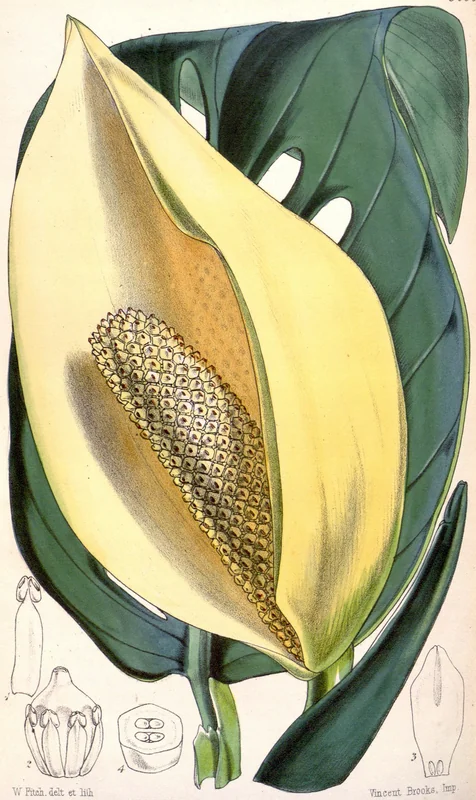
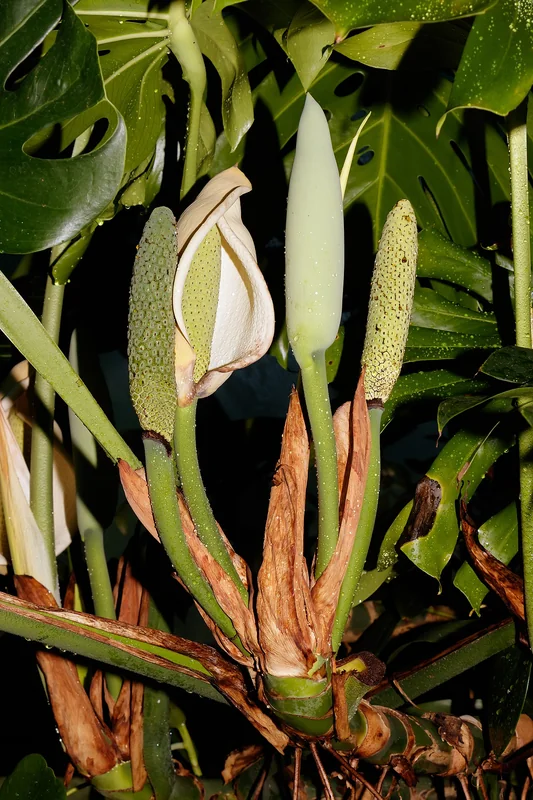
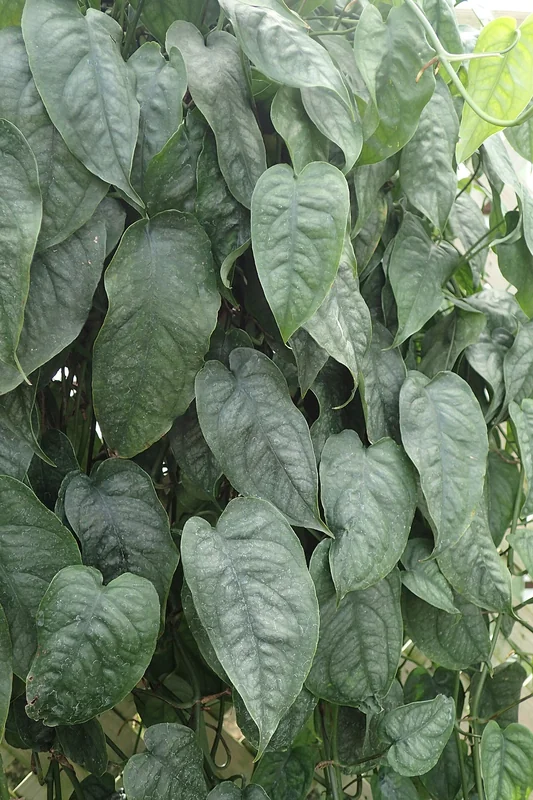
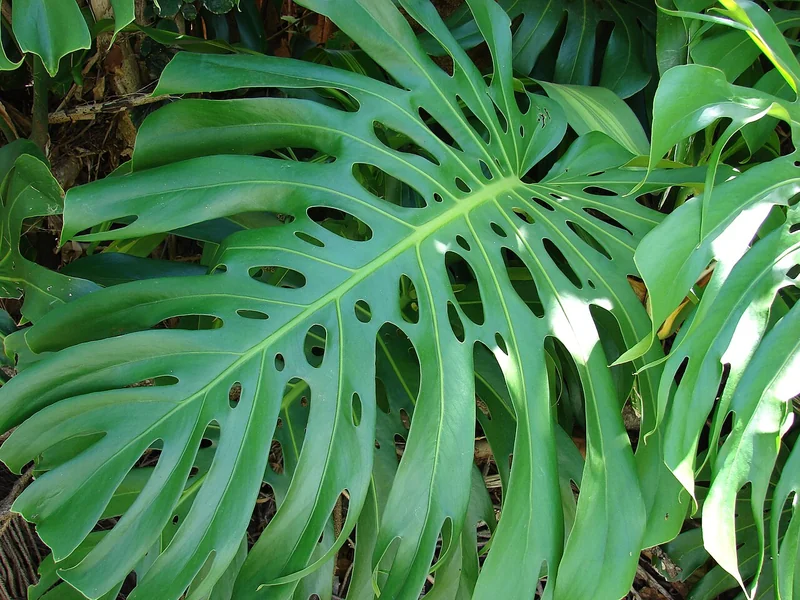
Rhaphidophora tetrasperma is a Thai and Malaysian aroid that produces small, fenestrated leaves superficially resembling a miniature Monstera deliciosa, earning it the common name 'mini monstera'. It is neither a true monstera nor a split-leaf philodendron, but it shares their tolerance for indoor conditions and vigorous vining habit. Under bright indirect light with a moss pole or trellis, it can add several leaves per month and is one of the fastest-growing aroids suited to home cultivation.
Care facts at a glance
- Light
- Bright indirect
- Water
- Water when the top 3 to 4 cm of soil has dried; roughly every 5 to 10 days in warm months.
- Humidity
- 50–75 %
- Temperature
- 16–30 °C
- Soil
- Light, well-draining aroid mix with perlite; avoid heavy potting compost.
- Origin
- Humid forests of southern Thailand and Malaysia.
- Mature size
- 3 to 5 m as a climber; leaves to 20 cm.
Overview
Rhaphidophora tetrasperma was described by Joseph Dalton Hooker in 1893 and belongs to the subfamily Monsteroideae alongside true monsteras and epipremnum. The fenestrations (holes) in its leaves develop more fully as the plant matures and climbs — young plants near the base produce smaller, less-split leaves, while upper growth on a tall moss pole shows the full ornamental pattern.
Care Priorities
- Provide a sturdy climbing support: moss poles encourage larger, more fenestrated leaves.
- Bright indirect light produces compact, vigorous growth; low light yields smaller, less split leaves and longer internodes.
- Water consistently but allow moderate drying — root rot is the main killer.
- Prune regularly to maintain shape and encourage bushier growth lower on the plant.
Common Problems
New leaves emerging without fenestrations indicate insufficient light — move the plant closer to a bright window. Yellowing lower leaves in otherwise healthy plants are normal ageing; yellowing across many leaves at once is usually overwatering. Mosaic virus causes irregular light-green or yellow mottling; there is no cure — infected plants should be isolated and disposed of to prevent spread.
Sources & further reading (2)
- botanical-garden — accessed 2026-05-08
- encyclopedia — accessed 2026-05-08
Frequently asked questions
Why are my leaves not splitting?
Insufficient light is the most common reason. Move the plant to a brighter spot and allow it to climb a moss pole — mature climbing growth produces the best fenestrations.
How fast does it grow?
Under good conditions it can push one to two new leaves per week in summer. It is among the fastest aroids in cultivation.
Is it related to Monstera?
Only distantly — both are in subfamily Monsteroideae, but Rhaphidophora is a separate genus. It is not a true monstera or philodendron despite its common names.