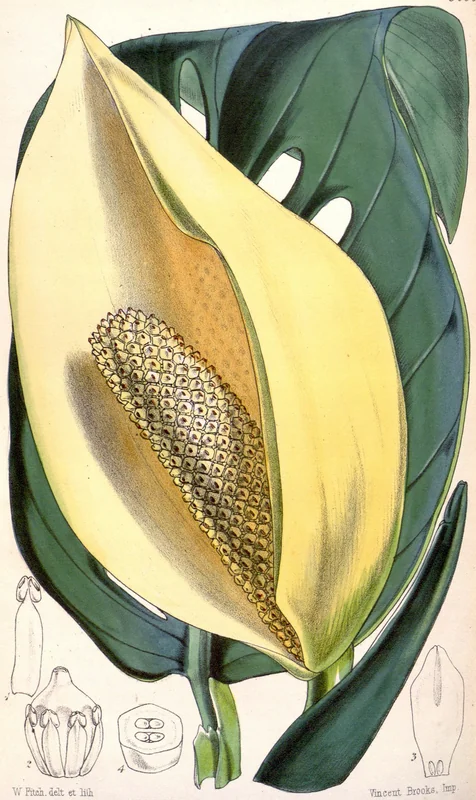
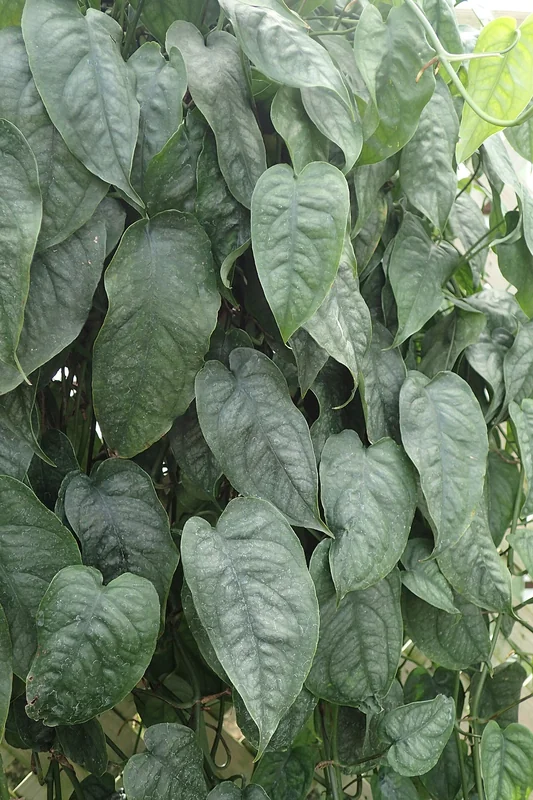
Monstera deliciosa
Monstera Deliciosa Care Guide
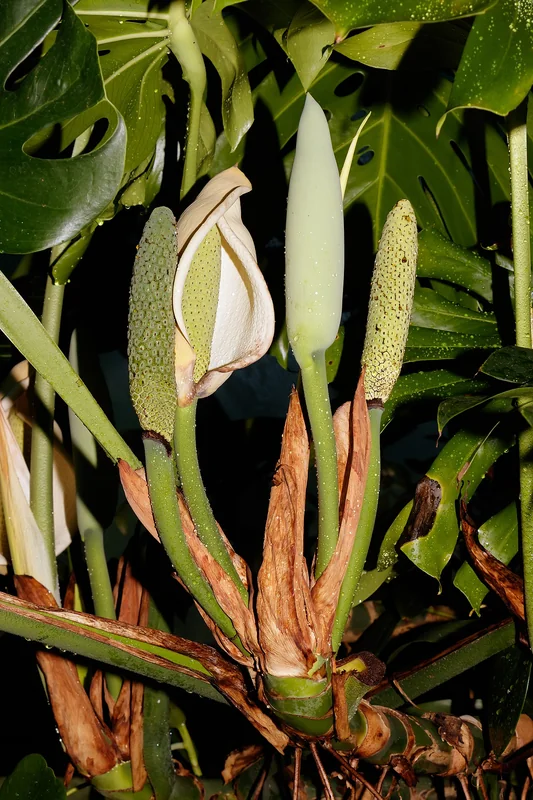 Featured photomonstera-deliciosa.jpg
Monstera deliciosa prefers bright indirect light, an airy mix, and a watering rhythm that lets the upper soil layer dry slightly between soakings. Indoors it grows faster than many collector aroids when given warmth, humidity, and a vertical support. Most problems come from dim corners, compacted soil, or pots that stay wet for too long.
Care facts at a glance
- Light
- Bright indirect
- Water
- Water when the top 2 inches of soil feel dry.
- Humidity
- 50–70 %
- Temperature
- 18–30 °C
- Soil
- Airy mix with bark, perlite, and moisture-retentive organic matter.
- Origin
- Tropical forests of southern Mexico and Panama.
- Mature size
- 6 to 8 feet indoors with support.
Overview
Monstera deliciosa is a climbing aroid that rewards stable conditions with large leaves and deeper fenestrations. A pole or plank encourages more mature growth than a hanging habit.
Care Priorities
- Give it bright indirect light near a window.
- Keep the potting mix airy.
- Feed lightly but consistently in spring and summer.
Common Problems
Leaves that stay small and unsplit usually indicate insufficient light or no support. Yellow leaves often signal excess moisture or a potting mix that has broken down.
Sources & further reading (1)
- botanical-garden — accessed 2026-04-24
Frequently asked questions
Why are my Monstera leaves not splitting?
Juvenile growth, low light, and lack of vertical support are the main reasons. Mature plants in brighter light split more reliably.
Does Monstera need high humidity?
It tolerates normal homes, but moderate humidity helps larger leaves open cleanly and reduces crispy edges.
Can I grow Monstera in a dark room?
It can survive for a while, but growth will slow sharply and leaf size will shrink. A brighter location is better.