Monstera adansonii
Monstera adansonii (Swiss Cheese Vine) Care Guide
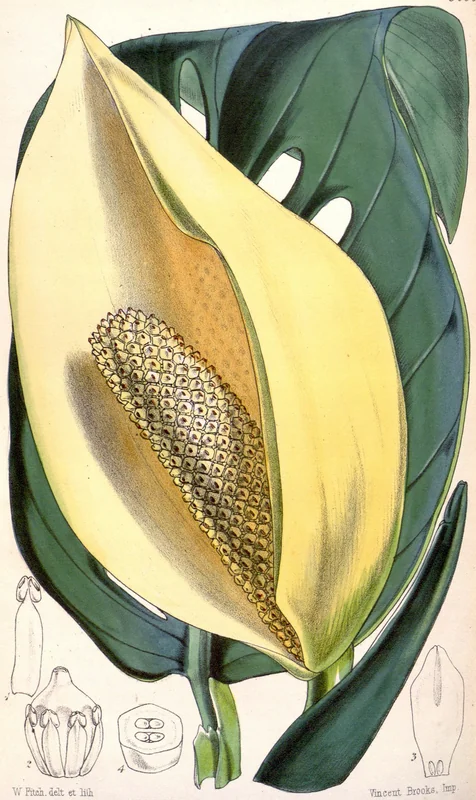 Featured photomonstera-adansonii.jpg
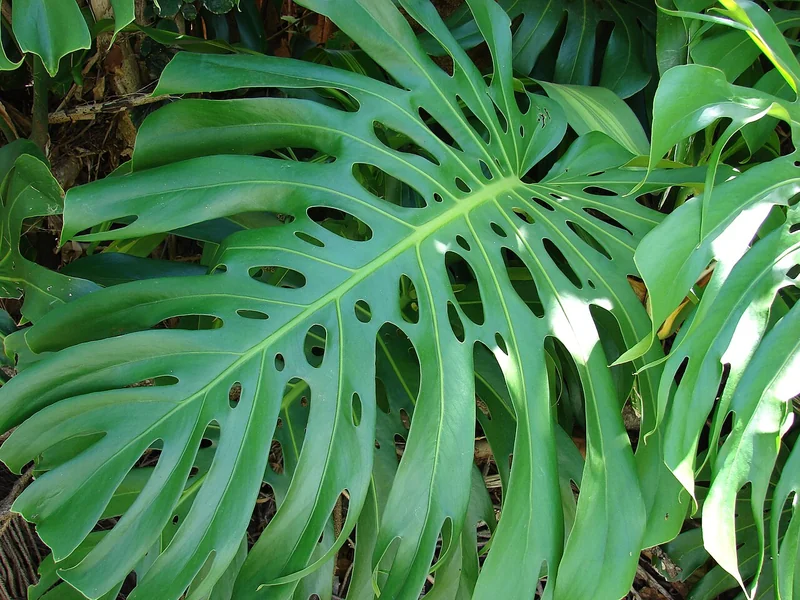
Monstera adansonii is a climbing aroid from the rainforests of Central and South America, smaller and faster than M. deliciosa and instantly recognised by its long oval leaves perforated with neat oval holes. It will trail from a hanging basket or climb a moss pole, with leaves getting larger and more fenestrated as the vine matures. It is one of the more forgiving Monstera species for ordinary indoor conditions.
Care facts at a glance
- Light
- Bright indirect
- Water
- Water when the top 2 to 3 cm of mix has dried.
- Humidity
- 50–70 %
- Temperature
- 18–29 °C
- Soil
- Chunky aroid mix of orchid bark, perlite, and peat or coir, roughly equal parts.
- Origin
- Central and South American rainforests, from southern Mexico to Brazil.
- Mature size
- Vines to 3 metres or more indoors with support.
Overview
Monstera adansonii has been confused for decades with M. obliqua, a much rarer species with thinner, more skeletonised leaves. Almost every plant sold as a Swiss cheese vine in mainstream nurseries is M. adansonii. It develops bigger leaves and more dramatic fenestrations when allowed to climb.
Care Priorities
- Give it something to climb — a moss pole or coir totem doubles leaf size over a year or two.
- Water when the top of the mix dries; this species tolerates a touch of dryness better than constant wet.
- Bright filtered light is the sweet spot; harsh sun bleaches leaves.
- Pinch back leggy stems to encourage branching.
Common Problems
Yellowing leaves are usually overwatering; check that the bottom of the pot is not sitting in water. Crispy brown edges point to dry air, especially in winter heating. Long internodes with small leaves mean the plant wants more light.
Sources & further reading (2)
- encyclopedia — accessed 2026-04-28
- botanical-garden — accessed 2026-04-28
Frequently asked questions
Why does my adansonii not have holes?
Juvenile leaves often emerge solid. Holes appear as leaves get larger, which usually means the plant needs more light, root space, or a climbing support.
Trail or climb — which gives more dramatic leaves?
Climbing. A moss pole encourages the plant to push out larger, more fenestrated leaves; trailing plants tend to keep smaller juvenile leaf shapes.
Is it the same as Monstera obliqua?
No. Obliqua is genuinely rare and has paper-thin leaves that are mostly hole. Adansonii has thicker leaves with smaller, more regular holes.