Monstera standleyana
Monstera standleyana Care Guide
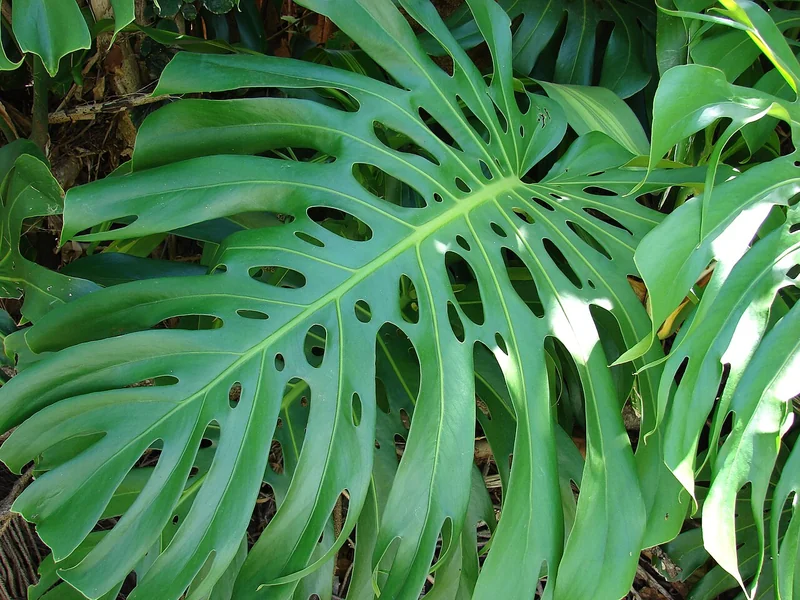 Featured photomonstera-standleyana.jpg
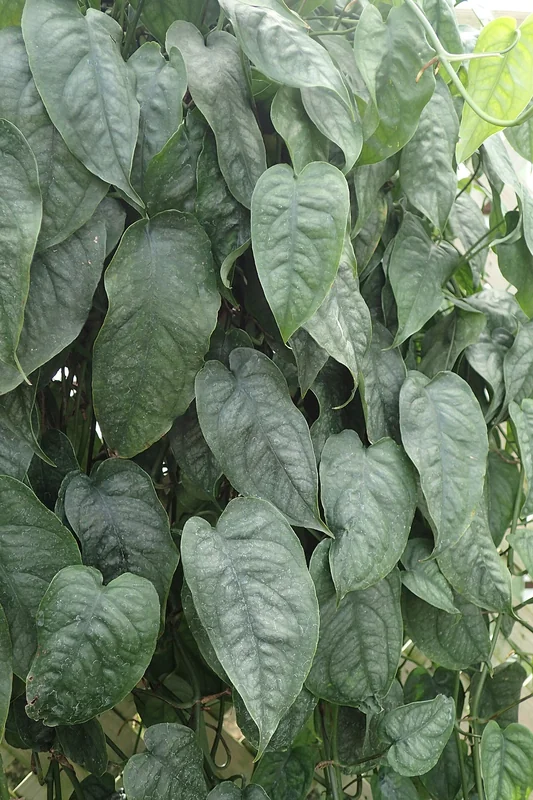
Monstera standleyana is a smaller, vining species with narrow, lance-shaped, glossy leaves rather than the broad fenestrated foliage typical of the genus. It is frequently sold in a variegated form with white streaks. In nature it climbs and develops scattered small holes near the midrib; cultivated indoor plants rarely fenestrate but still make a tidy, fast-growing climber.
Care facts at a glance
- Light
- Bright indirect
- Water
- Water when the top 2 to 3 cm of mix has dried.
- Humidity
- 50–70 %
- Temperature
- 18–29 °C
- Soil
- Chunky aroid mix: orchid bark, perlite, and coir in roughly equal parts.
- Origin
- Central American rainforests, from Honduras to Panama.
- Mature size
- Vines to 2 to 3 metres indoors with support.
Overview
Monstera standleyana was for years sold under the trade name Philodendron Cobra, despite being a true Monstera. Its narrow lance-shaped leaves separate it at a glance from the broader leaved Monstera species.
Care Priorities
- Provide a moss pole or trellis; it climbs naturally and stays bushier when supported.
- Bright filtered light keeps internode length tight.
- Allow the top layer of mix to dry between waterings.
- Variegated plants need brighter light to keep the white sections healthy.
Common Problems
All-green reversion on variegated plants is normal under low light; prune back to a node with white showing. Tan crispy patches on white leaf sections are sunburn — move out of direct sun. Yellowing throughout the plant is overwatering.
Sources & further reading (2)
- encyclopedia — accessed 2026-04-28
- botanical-garden — accessed 2026-04-28
Frequently asked questions
Is it really a Monstera and not a Philodendron?
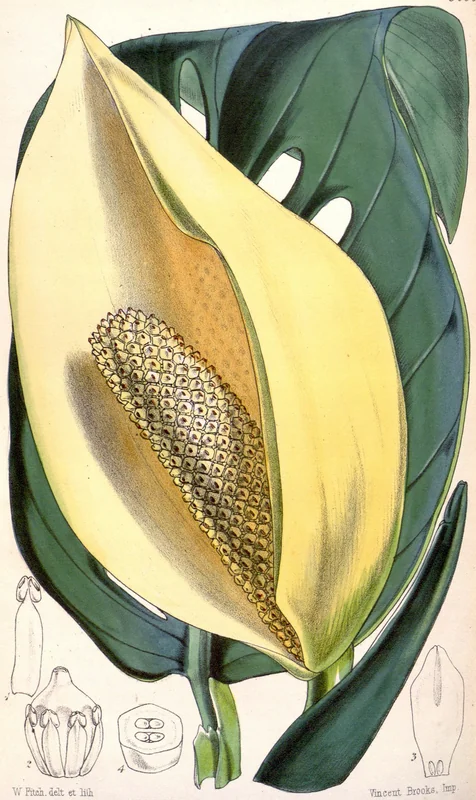
Yes — Monstera and Philodendron are different genera in the same family. Standleyana has a different leaf attachment and inflorescence and is now firmly placed in Monstera.
Why are the white parts turning brown?
White tissue lacks chlorophyll and burns easily in direct sun. Move to bright but indirect light.
Will my plant develop holes?
Indoor adansonii-style holes are uncommon. Mature wild plants get a few near the midrib, but most cultivated specimens stay solid.