Anthurium crystallinum
Anthurium crystallinum Care Guide
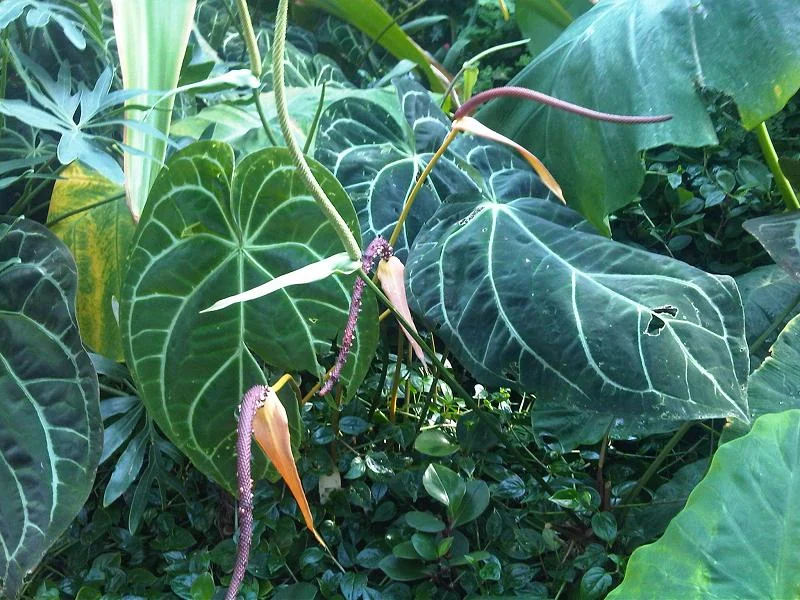 Featured photoanthurium-crystallinum.jpg
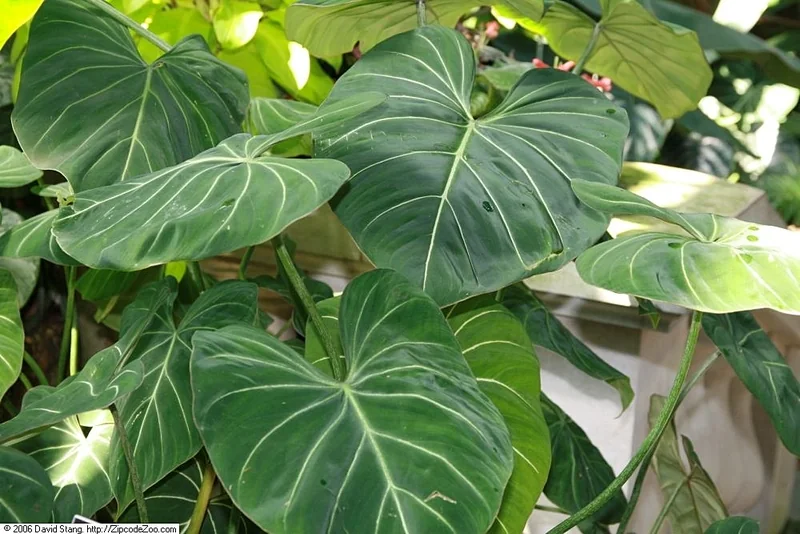
Anthurium crystallinum is a velvet-leaf aroid from Panamanian and Colombian rainforests, similar to A. clarinervium but with longer, more elongated leaves and slightly thinner tissue. New leaves emerge a coppery bronze and harden off to deep green with a sharp white vein pattern. It is a high-humidity species that rewards stable conditions with leaves up to 35 cm long.
Care facts at a glance
- Light
- Bright indirect
- Water
- Water when the top 2 to 3 cm of mix has dried but the root zone remains slightly damp.
- Humidity
- 65–85 %
- Temperature
- 18–27 °C
- Soil
- Open, bark-heavy aroid mix with sphagnum moss layered on top to hold surface humidity.
- Origin
- Lowland rainforests of Panama, Colombia, and Peru.
- Mature size
- 40 to 75 cm tall, leaves to 35 cm long.
Overview
Anthurium crystallinum was first described in the 1870s and remains one of the most coveted velvet-leaf species. It is closely related to A. magnificum and A. clarinervium and is sometimes confused with both — clarinervium has more rounded leaves, magnificum has clearly winged petioles.
Care Priorities
- Stable humidity above 65 percent prevents the new leaves from coming in deformed.
- Use a chunky aroid mix; this species hates compacted soil.
- Filter or rest tap water before use.
- Stake larger plants — the petioles are slim relative to leaf size.
Common Problems
Crisp brown leaf edges almost always mean dry air. New leaves emerging stunted or with holes usually point to thrip damage on the unfurling tissue; check carefully under a bright light. Yellowing older leaves are normal turnover unless the rate accelerates, in which case check for root rot.
Sources & further reading (2)
- botanical-garden — accessed 2026-04-28
- encyclopedia — accessed 2026-04-28
Frequently asked questions
How do I tell crystallinum from magnificum?
Magnificum has flat, winged petioles where they meet the leaf; crystallinum has a round petiole. Magnificum leaves also tend to be larger and a touch thicker.
My new leaves come in pale and tear easily — why?
Low humidity or insufficient moisture during leaf expansion is the usual cause. A humidity dome or terrarium during the unfurling phase fixes most cases.
Should I let it flower?
The spathes are small and undistinguished; many growers cut the inflorescences off to redirect energy into foliage.