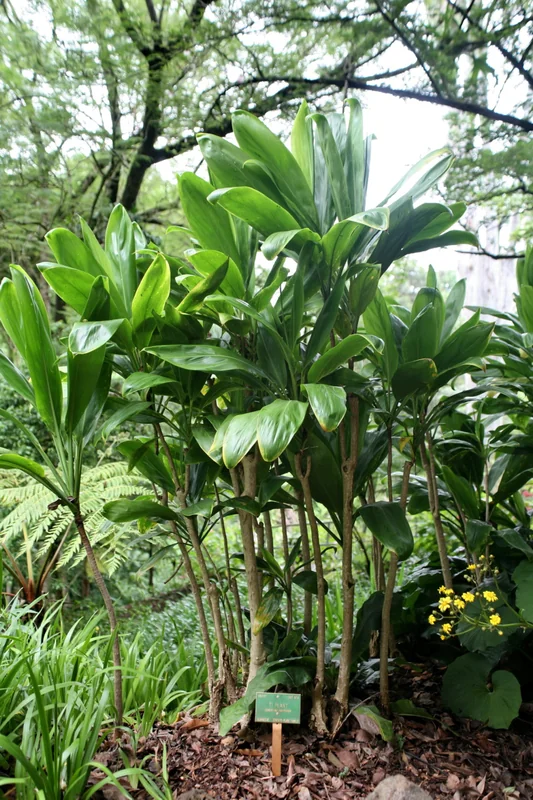
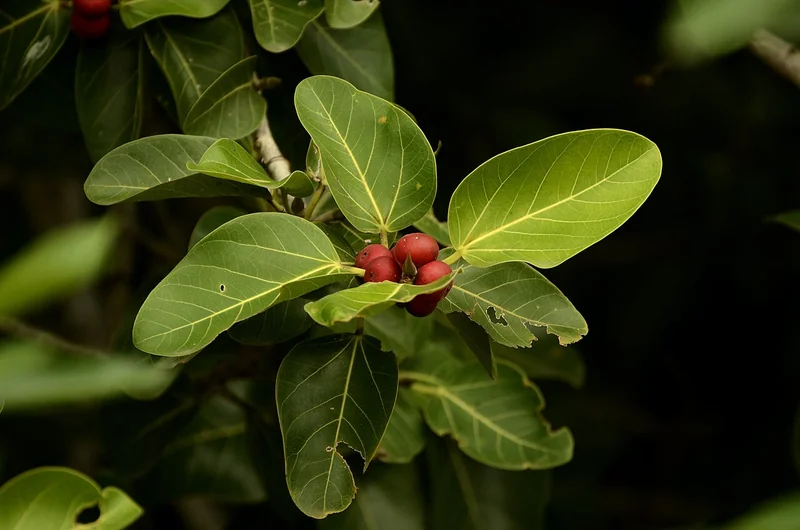
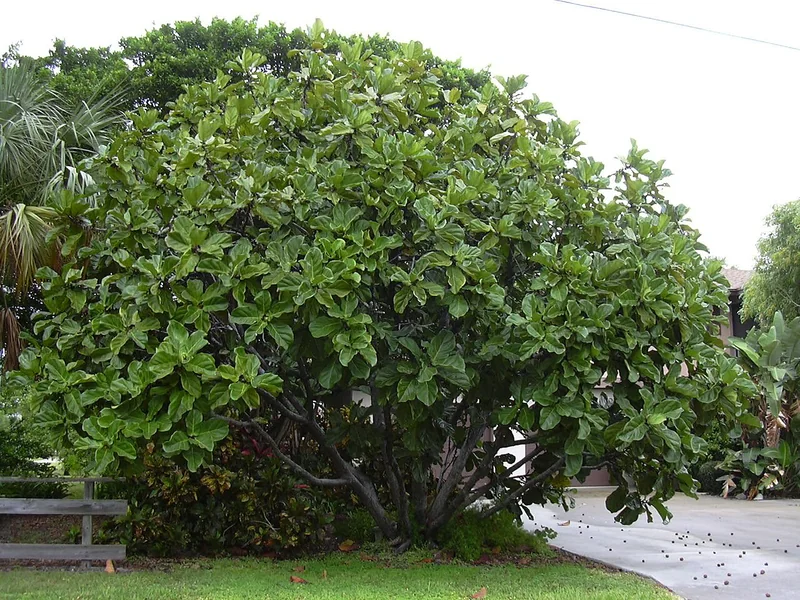
Philodendron musifolium
Philodendron musifolium Care Guide: Wavy Leaf Philodendron
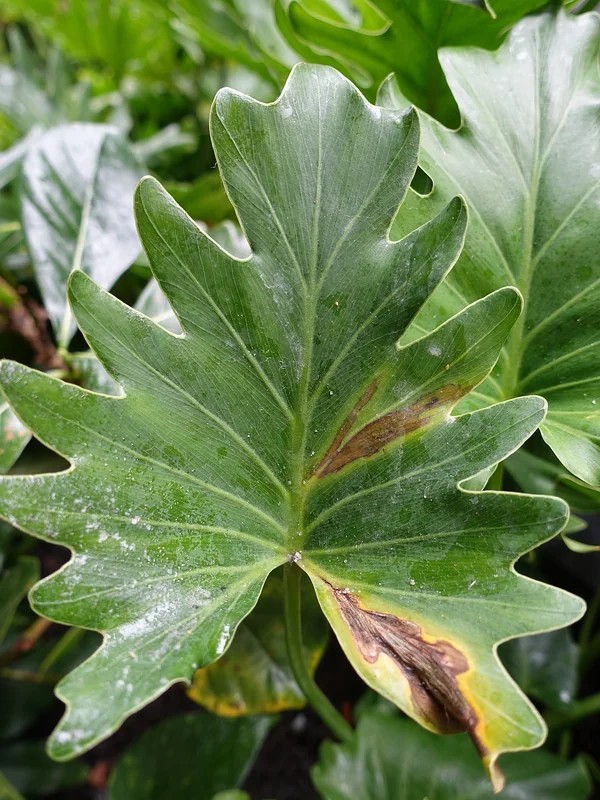 Featured photophilodendron-musifolium.jpg
Philodendron musifolium, often called the Wavy Leaf Philodendron, is a striking aroid known for its deeply corrugated, strap-like leaves. This tropical plant thrives in conditions mimicking its native rainforest habitat, preferring bright, indirect light and high humidity. It's a moderate grower that can become quite large, making it a dramatic statement piece for any indoor plant collection. Proper watering and a well-draining soil mix are key to its health.
Care facts at a glance
- Light
- Bright indirect
- Water
- Water when the top 1-2 inches of soil feel dry to the touch, ensuring the soil remains consistently moist but never waterlogged.
- Humidity
- 60–80 %
- Temperature
- 18–29 °C
- Soil
- Use a well-draining, airy potting mix rich in organic matter. A good blend includes peat moss or coco coir, perlite, and orchid bark to ensure proper aeration and drainage, preventing root rot.
- Origin
- Native to tropical rainforests of South America, particularly regions in Peru, Ecuador, and Brazil.
- Mature size
- Indoors, leaves can reach 2-3 feet (60-90 cm) in length, with the plant spreading 3-5 feet (90-150 cm) wide.
Overview
Philodendron musifolium is cherished for its unique, deeply ribbed leaves that give it a distinctive texture. This tropical plant, a member of the Araceae family, brings a lush, jungle-like feel to any indoor space. It's relatively straightforward to care for, provided its basic needs for warmth, humidity, and consistent moisture are met. With proper attention, it can grow into an impressive specimen.
Care Priorities
To keep your Philodendron musifolium thriving, focus on these key areas:
- Light: Provide bright, indirect light. Avoid direct sun, which can scorch its leaves.
- Watering: Maintain consistently moist soil, allowing the top layer to dry slightly between waterings.
- Humidity: High humidity is crucial. Aim for 60-80% to prevent leaf crisping.
- Soil: Use a well-draining, aerated potting mix to prevent waterlogging and root issues.
Common Problems
Yellowing leaves often signal overwatering or nutrient deficiency; check your watering habits and consider a balanced fertilizer. Brown, crispy leaf edges usually point to insufficient humidity or underwatering. Pests like spider mites and mealybugs can be managed with regular inspection and appropriate insecticidal soap or neem oil treatments. Ensure good air circulation to prevent fungal issues.
Sources & further reading (4)
- encyclopedia — accessed 2026-04-24
- dataset — accessed 2026-04-24
- botanical-garden — accessed 2024-07-30
- extension — accessed 2024-07-30
Frequently asked questions
Why are my Philodendron musifolium leaves turning yellow?
Yellow leaves often indicate overwatering, leading to root rot, or a nutrient deficiency. Check soil moisture and ensure proper drainage. If the soil is consistently wet, reduce watering frequency.
How can I increase humidity for my Wavy Leaf Philodendron?
To boost humidity, you can place the pot on a pebble tray filled with water, group it with other plants, or use a room humidifier. Misting is generally not effective for long-term humidity.
Is Philodendron musifolium a climbing plant?
While many philodendrons are climbers, P. musifolium tends to grow more upright and spreading, developing a bushy habit. It can benefit from a moss pole or stake for support as it matures, but it's not a vigorous climber.
What kind of pot is best for this plant?
A pot with excellent drainage is essential to prevent waterlogging. Terracotta pots can help wick away excess moisture, but plastic or glazed ceramic pots are also suitable if you are careful with your watering schedule.
How often should I repot my Philodendron musifolium?
Repot your plant every 1-2 years, or when you notice it becoming root-bound (roots growing out of drainage holes). The best time to repot is during the spring, choosing a pot only slightly larger than the current one.