Phalaenopsis schilleriana
Phalaenopsis schilleriana Care Guide
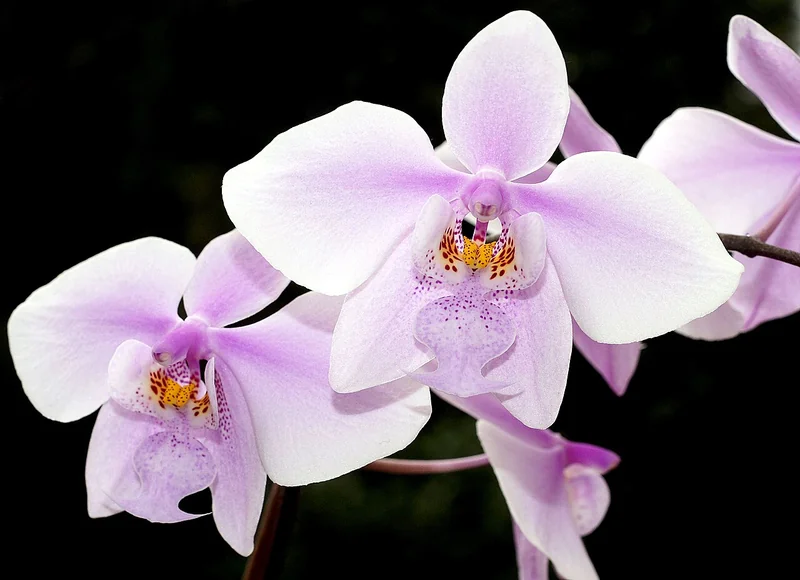 Featured photophalaenopsis-schilleriana.jpg
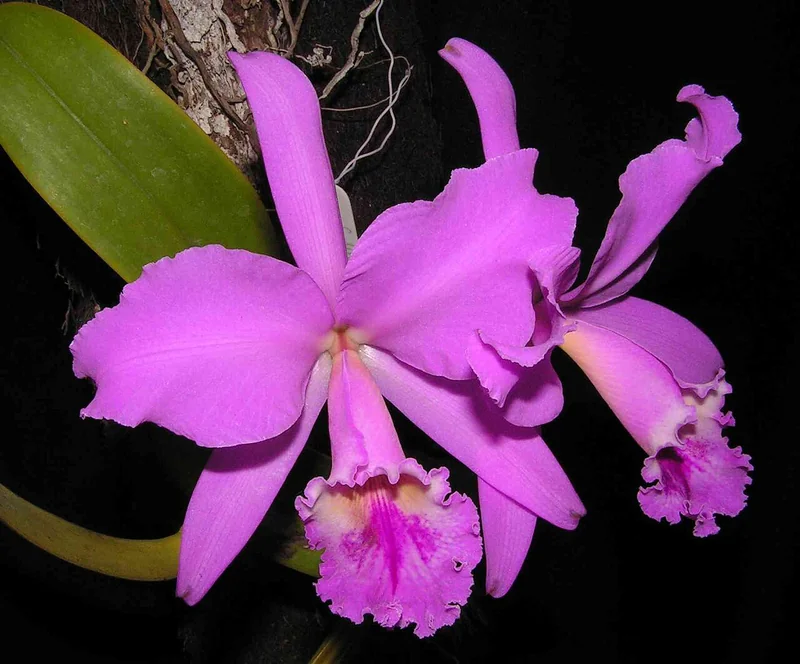
Phalaenopsis schilleriana is a spectacular Philippine epiphytic orchid distinguished by two exceptional ornamental features: its large, dark-green leaves marbled with silver-grey mottling, and its multi-branched, cascading flower spikes that can carry hundreds of fragrant, rosy-pink flowers simultaneously. It is one of the most floriferous of the wild Phalaenopsis species and has been extensively used in orchid breeding to pass on its flower quantity, fragrance, and attractive foliage to hybrid offspring.
Care facts at a glance
- Light
- Bright indirect
- Water
- Water thoroughly once a week in summer; every 10 to 14 days in winter.
- Humidity
- 55–80 %
- Temperature
- 18–30 °C
- Soil
- Coarse orchid bark mix or mounted on cork bark or tree fern fibre.
- Origin
- Humid lowland forests of the Philippines, particularly Luzon.
- Mature size
- Rosette to 50 to 70 cm across; flower spikes branched to 90 to 120 cm.
Overview
Phalaenopsis schilleriana was described by Reichenbach in 1860 and named for Consul Schiller of Hamburg, an orchid enthusiast who received one of the first specimens sent to Europe from the Philippines. The species is endemic to the Philippines, primarily found on Luzon, where it grows as an epiphyte in warm, humid coastal and lowland forests. The silver mottling on its leaves is produced by the same structural colouration mechanism found in Hoya sigillatis and various aroids — reduced chlorophyll in certain mesophyll cells allows the reflective cell walls to scatter light as silver. The branched inflorescences are unique among wild Phalaenopsis species in their spectacular extent.
Care Priorities
- Bright, indirect light is critical for flower production; insufficient light is the primary reason for failure to bloom after the first flowering.
- Higher humidity than P. amabilis is beneficial; its Philippine coastal forest habitat receives high relative humidity year-round.
- The branched flower spike needs support as it elongates; use a stake placed in the substrate early to guide the spike before it becomes too heavy.
- A cool-night temperature differential in autumn (5 to 8 °C drop) is necessary to initiate new flower spikes.
Common Problems
Scale insects on the underside of the marbled leaves and along stem nodes are a common problem — they blend well with the silver markings and can be overlooked; inspect carefully and treat with neem oil or systemic insecticide. Crown rot is the most rapidly fatal problem; never allow water to pool between the leaves. If crown rot is detected, remove all soft tissue, dust with cinnamon, and move to a drier location. Root rot from chronic overwatering shows as limp, unresponsive leaves despite watering; remove dead roots and repot in fresh bark.
Sources & further reading (2)
- botanical-garden — accessed 2026-05-08
- encyclopedia — accessed 2026-05-08
Frequently asked questions
How many flowers can a single spike produce?
A mature, well-grown specimen can produce a branched spike carrying 50 to 200 or more flowers open simultaneously — the branching habit is a distinctive characteristic that makes it spectacular at peak bloom.
Are the flowers fragrant?
Yes — P. schilleriana has a pleasant, light fragrance that is most noticeable in the morning. This trait has been selected for in some hybrid breeding lines.
How do I keep the leaf markings vivid?
The silver mottling intensity is largely genetic but is best maintained in moderate to bright indirect light. New leaves produced in low light tend to be less prominently marked than those grown in brighter conditions.