Monstera gigas
Monstera gigas (Giant Monstera) Care Guide
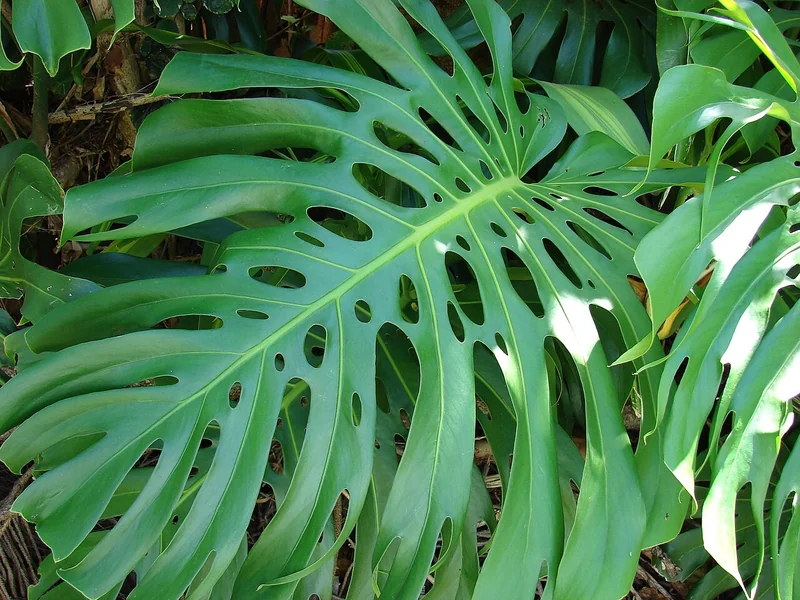 Featured photomonstera-gigas.jpg
Monstera gigas, sold as Giant Monstera, is a hemi-epiphytic aroid in the genus Monstera native to Neotropical rainforests. A Central American climber named gigas for its very large mature leaves, sometimes exceeding 60 cm long when grown on a tall moss pole in greenhouse conditions. Like all Monstera, it climbs in the wild and benefits from a moss pole indoors, with bright filtered light and a chunky free-draining mix.
Care facts at a glance
- Light
- Bright indirect
- Water
- Water when the top 3 to 4 cm of mix has dried.
- Humidity
- 50–80 %
- Temperature
- 18–27 °C
- Soil
- Chunky aroid mix of orchid bark, perlite, and coco coir for excellent aeration.
- Origin
- Neotropical rainforests of Central and South America.
- Mature size
- Climbs several metres in the wild; indoor specimens reach 1 to 3 m on a moss pole.
Overview
Monstera gigas belongs to Monstera, a Neotropical genus of about 50 climbing aroids. A Central American climber named gigas for its very large mature leaves, sometimes exceeding 60 cm long when grown on a tall moss pole in greenhouse conditions. The famous fenestrations and perforations that give Monstera its appeal develop on mature leaves once the plant has a stable climbing structure.
Care Priorities
- Bright filtered light, never direct midday sun.
- Use a chunky aroid mix with orchid bark and perlite.
- Provide a moss pole — Monstera produces its largest, most fenestrated leaves when climbing.
- Water when the top 3 to 4 cm of mix is dry; let excess drain.
- Wipe leaves monthly to keep stomata clear and check for spider mites.
Common Problems
Yellow leaves with mushy stems mean overwatering — repot into chunky mix. Leaves without fenestrations point at insufficient light or no climbing support. Brown crispy edges signal dry air or fluoride-heavy tap water.
Sources & further reading (2)
- encyclopedia — accessed 2026-04-28
- botanical-garden — accessed 2026-04-28
Frequently asked questions
How big does Monstera gigas actually get?
In its native rainforest M. gigas climbs to 10 m and produces leaves over 80 cm long. Indoor specimens stay smaller — typically 1.5 to 3 m tall with leaves around 40 to 60 cm.
How do I get fenestrations on my Monstera?
Fenestrations appear on mature leaves when the plant has a moss pole to climb, sufficient bright indirect light, and consistent care. Juvenile leaves are typically entire — patience and a totem are the answer.
How do I get more leaf splits on my Monstera?
Monstera need bright filtered light, high humidity, and a moss pole or trellis to climb before they reliably push fenestrated leaves. Mature climbing plants produce dramatically more split leaves than free-standing ones.