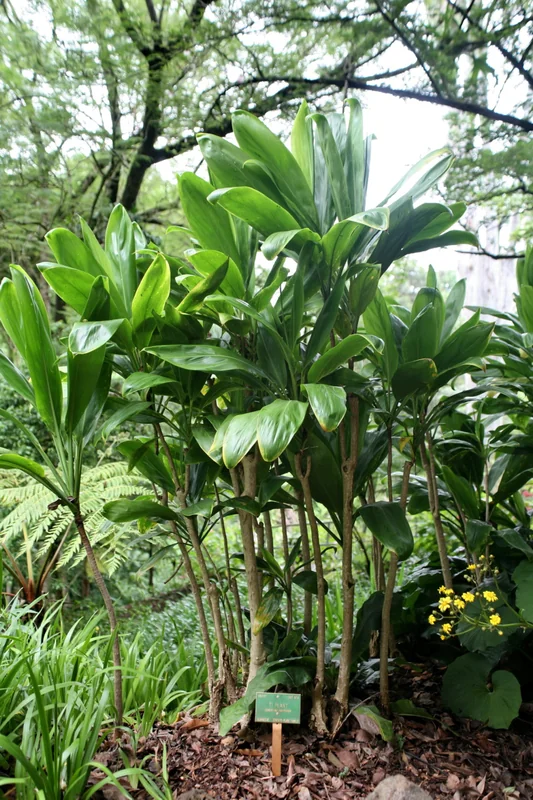
Dieffenbachia seguine
Dieffenbachia seguine (Dumb Cane) Care Guide
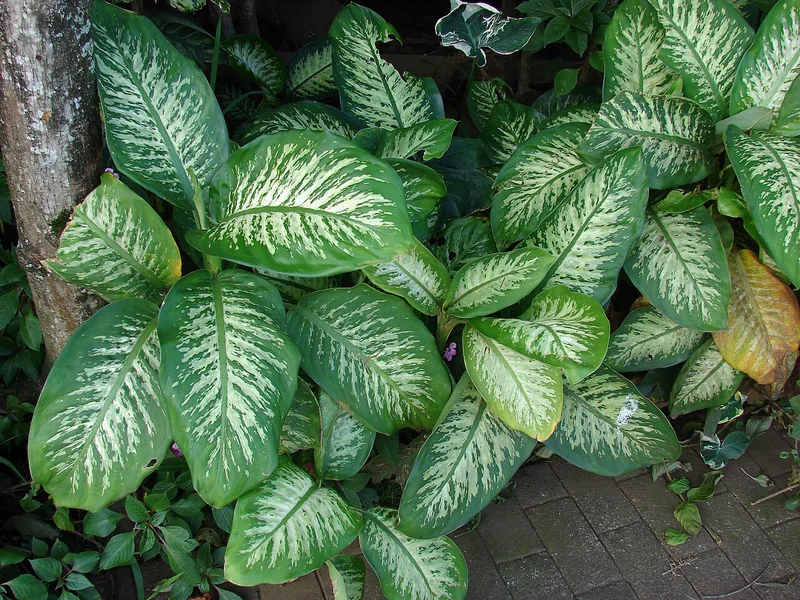 Featured photodieffenbachia-seguine.jpg
Dieffenbachia seguine is the dumb cane, a tropical American aroid with broad, cream-and-green variegated leaves on thick canes. It is an easy and dramatic foliage specimen for warm rooms with bright filtered light, valued for the size and contrast of its mature foliage.
Care facts at a glance
- Light
- Bright indirect
- Water
- Water when the top 2 to 3 cm of mix has dried.
- Humidity
- 40–60 %
- Temperature
- 18–27 °C
- Soil
- Well-draining houseplant mix with perlite.
- Origin
- Tropical Americas from southern Mexico through the Caribbean to Brazil.
- Mature size
- 60 to 180 cm tall.
Overview
Dieffenbachia seguine is one of the most-grown variegated aroids and the source of the dumb cane trade name. The dramatic cream-and-green leaves are well-known indoor foliage, valued for their size and high-contrast pattern.
Care Priorities
- Bright filtered light keeps variegation vivid.
- Allow the top of the mix to dry between waterings.
- Wear gloves when pruning; sap is irritant on skin.
- Keep firmly out of reach of children and pets.
Common Problems
Yellow lower leaves are overwatering or normal age turnover. Loss of variegation in low light is reversible by moving to a brighter spot. Leggy growth with bare lower stems can be cut back to renew the plant.
Sources & further reading (2)
- encyclopedia — accessed 2026-04-28
- botanical-garden — accessed 2026-04-28
Frequently asked questions
Can I cut it back?
Yes — dumb cane responds well to hard pruning. Cut the cane to about 15 cm and the stump usually pushes new shoots within weeks. Wear gloves.
Why is it called dumb cane?
Because chewing the cane causes temporary speech loss from mouth and throat swelling. The name is a serious warning, not folklore.
Why is my Dieffenbachia leggy?
Dieffenbachia stretches when light is too low. Move it to bright filtered light, and once stems lean, cut the canes back hard — the rootstock pushes new shoots within a few weeks.