Goeppertia wiotii
Goeppertia wiotii Care Guide
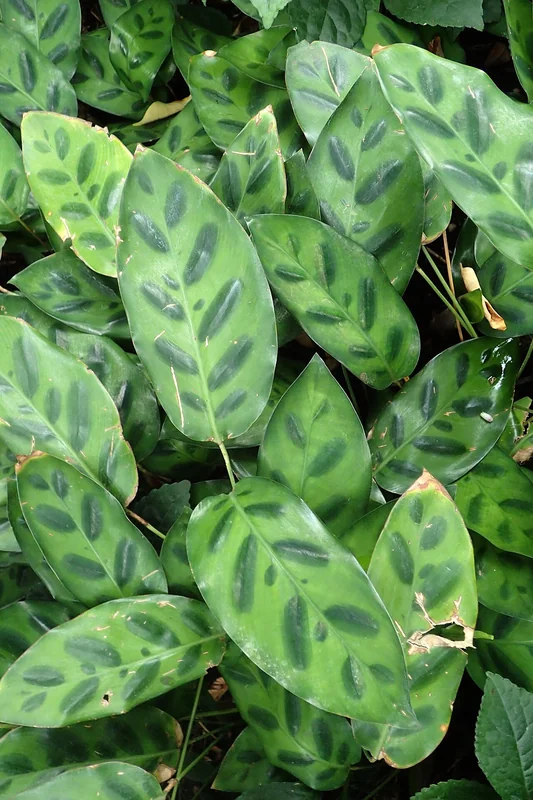 Featured photogoeppertia-wiotii.jpg
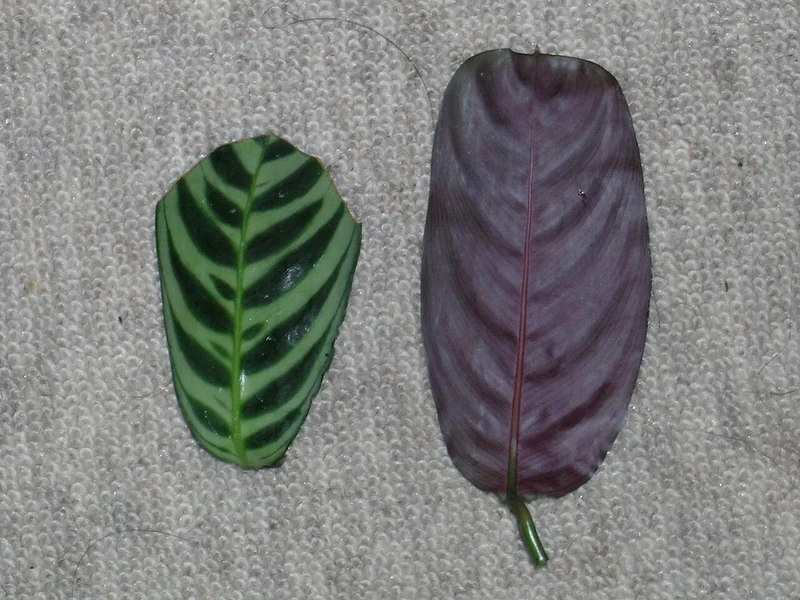
Goeppertia wiotii (formerly Calathea wiotii) is a compact prayer plant from the Atlantic Forest of Brazil, producing narrow, lance-shaped dark-green leaves with delicate herringbone or feather patterning in pale silver-green along the midrib and lateral veins, and contrasting purple-red undersides. Its compact size (rarely exceeding 40 cm) and relatively tolerant temperament make it one of the more manageable prayer plants for home cultivation, suitable for shelves and smaller spaces where larger Goeppertia species would be overwhelming.
Care facts at a glance
- Light
- Low light
- Water
- Water every 6 to 8 days; keep consistently moist with the top 1–2 cm drying between waterings.
- Humidity
- 55–80 %
- Temperature
- 18–30 °C
- Soil
- Moisture-retentive, well-draining mix: peat-free potting compost with 20% perlite.
- Origin
- Humid Atlantic Forest of southeastern Brazil.
- Mature size
- Compact clump; 30–45 cm tall.
Overview
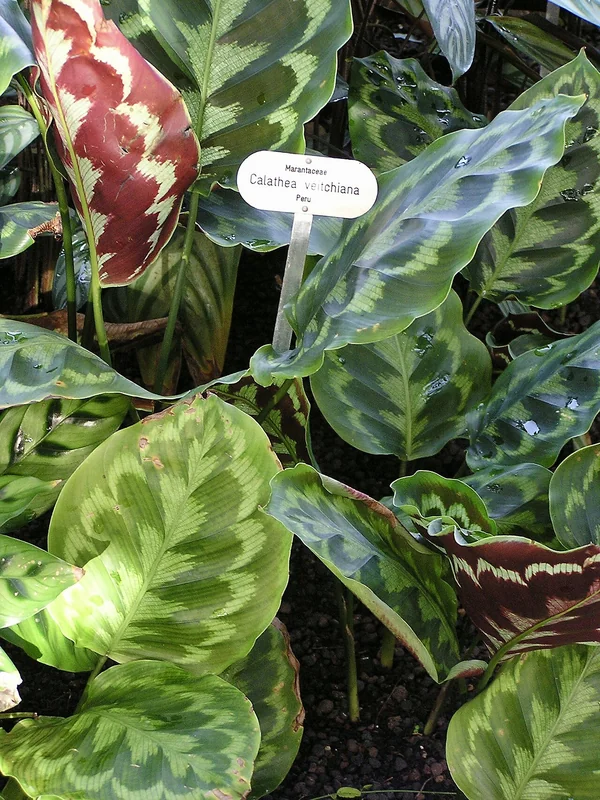
Goeppertia wiotii (É.Morren) Borchs. & S.Suárez was formerly known as Calathea wiotii, described in the 19th century from Brazilian collections. It belongs to the Atlantic Forest flora, one of the world's most biodiverse and threatened ecosystems. The species is a typical prayer plant in its behaviour — performing nyctinasty (leaf folding at night) and requiring the characteristic warm, humid, shade-tolerant care common to Marantaceae family members. Its smaller stature distinguishes it from the large-leaved Goeppertia ornata or G. veitchiana and makes it better suited to shelves and smaller collections.
Care Priorities
- Filtered or rainwater prevents the brown leaf-tip problem common in hard-water areas.
- Moderate indirect light — the fine herringbone patterning is most visible in medium-bright conditions, not deep shade.
- Consistent warmth (18 °C minimum) is more important than any other factor; cold spots cause rapid decline.
- The compact size means the pot dries slightly faster than for larger prayer plants; check moisture levels slightly more frequently.
- Division in spring is straightforward; separate root clumps with multiple shoots for reliable establishment.
Common Problems
Brown leaf tips from fluoride/mineral tap water are the most common cosmetic issue; trim with sharp scissors at a natural angle and switch to filtered water to prevent recurrence on new leaves. Spider mites in winter are the primary pest; increase local humidity and treat with neem oil. Yellowing leaves in autumn may reflect lower light levels as day length shortens; move closer to a window without placing in direct sun. Stagnant air combined with high humidity encourages Botrytis — ensure the growing area has gentle airflow.
Sources & further reading (2)
- botanical-garden — accessed 2026-05-27
- encyclopedia — accessed 2026-05-27
Frequently asked questions
Is it easier to grow than larger calatheas?
Slightly — its compact size means smaller humidity swings in the root zone, and the smaller leaf area loses moisture less dramatically in dry conditions. However, it has the same basic requirements as other Goeppertia species: soft water, warmth, and moderate humidity. It is forgiving of brief lapses but not of chronic neglect.
Can I divide it frequently?
Division is best done in spring when the plant is growing actively, and no more than once every 1–2 years. Frequent division stresses the plant and the divided clumps need time to re-establish. Wait until each division has at least 3–4 healthy leaf stems before considering further division.
Does the patterning vary between plants?
Yes — there is natural variation between individual plants in the intensity and distribution of the herringbone pattern. Some plants have bold, clear markings; others show subtler variation. This is natural genetic diversity within the species and not a sign of different care needs.