Goeppertia cylindrica
Goeppertia cylindrica Care Guide
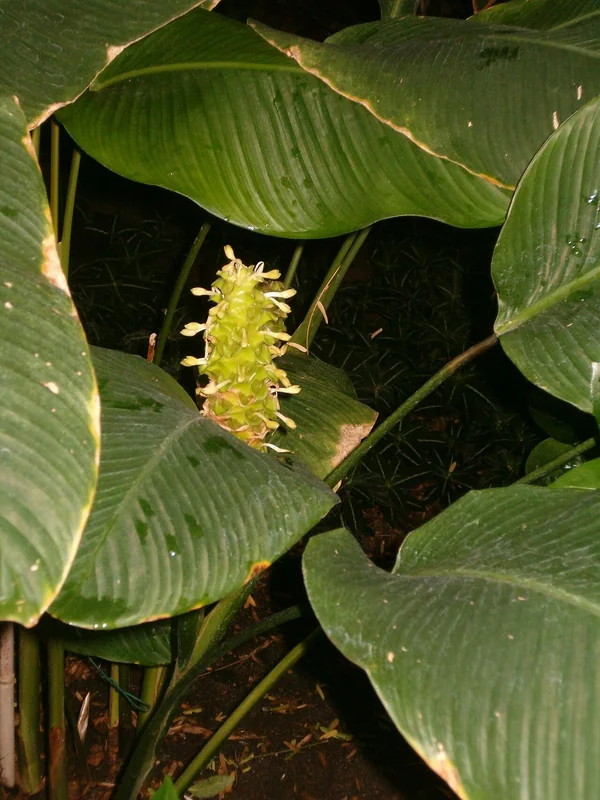 Featured photogoeppertia-cylindrica.jpg
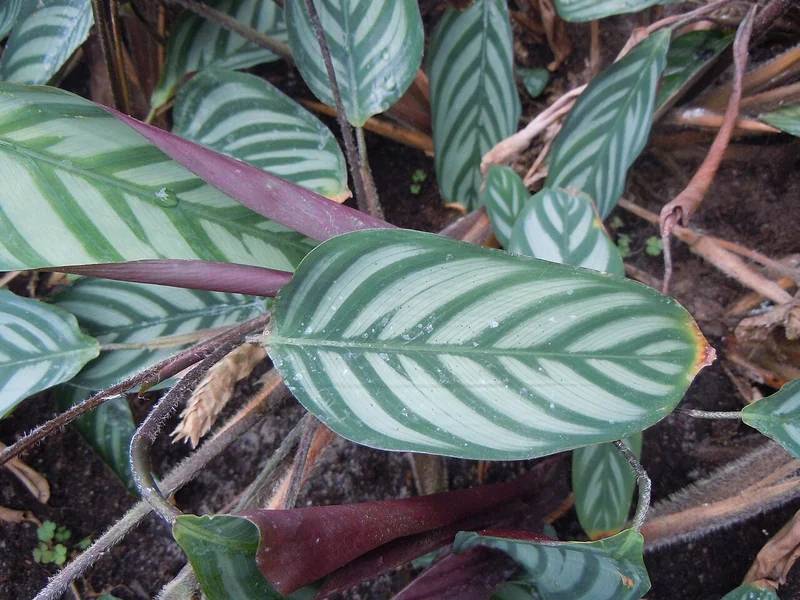
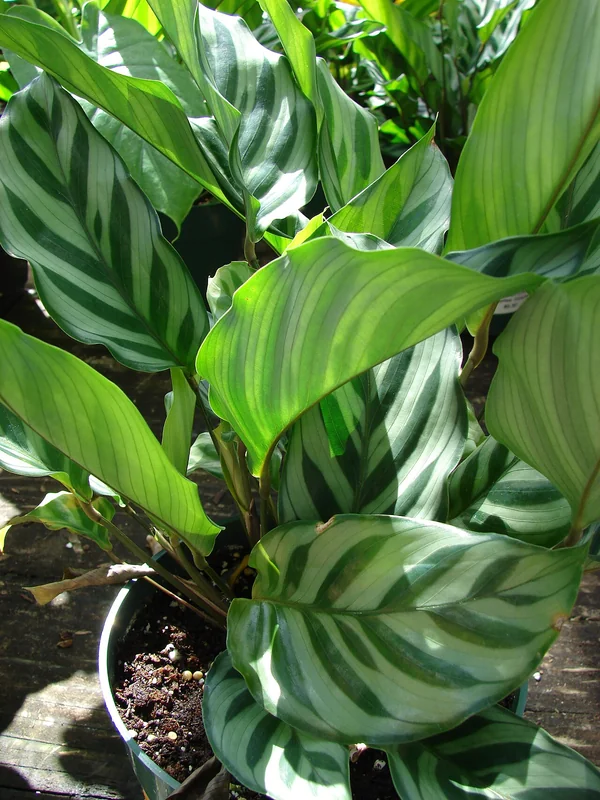
Goeppertia cylindrica, formerly Calathea cylindrica, is a large, upright prayer plant native to the humid forests of Colombia and Ecuador. It grows tall — reaching 80 to 120 cm indoors — with broad, elliptic leaves that are uniformly dark green above and rich purple-red below. Less flashily patterned than many of its relatives, it compensates with bold, architectural presence and a robust constitution that tolerates slightly lower humidity than more sensitive species. It is a strong statement plant for bright, humid rooms.
Care facts at a glance
- Light
- Medium light
- Water
- Water when the top 2 to 3 cm of the substrate has dried; every 7 to 10 days in summer.
- Humidity
- 55–80 %
- Temperature
- 18–30 °C
- Soil
- Well-draining, moisture-retentive mix: coir, perlite, and compost.
- Origin
- Humid lowland and foothill forests of Colombia and Ecuador.
- Mature size
- 80 to 120 cm tall; leaves 30 to 50 cm long.
Overview
Goeppertia cylindrica is native to the humid Andean foothill forests of Colombia and Ecuador, where it grows on the forest floor beneath a dense canopy. The species name refers to the cylindrical shape of the inflorescence. Its large, uniformly green leaves — up to 50 cm long — with deep purple-red undersides create a bold two-tone effect when the leaves shift with the diurnal nyctinastic movement. Less patterned than popular species like G. ornata or G. roseopicta, it is valued for its statement size and architectural form rather than leaf intricacy.
Care Priorities
- Medium to bright indirect light is optimal; this species tolerates slightly lower light than smaller calathea relatives, making it more versatile for dimmer rooms.
- Consistent moderate watering with distilled or filtered water prevents the tip browning caused by fluoride and mineral deposits.
- Stable warmth above 18 °C is necessary year-round; cold exposure causes leaf curl and eventual leaf drop.
- Its larger size means it needs repotting every 2 years in spring as the root system is substantial.
Common Problems
Yellowing lower leaves combined with a general decline in vigour usually points to root rot; check the substrate and roots, and repot in fresh, well-draining mix if roots are soft and brown. Brown leaf tips and margins indicate fluoride sensitivity from tap water or low humidity; switch to distilled or rainwater and increase ambient humidity above 55 percent. Spider mites in dry indoor conditions cause stippling and fine webbing on leaves; increase humidity and treat promptly with neem oil to prevent rapid colony spread on the large leaf surfaces.
Sources & further reading (2)
- botanical-garden — accessed 2026-05-08
- encyclopedia — accessed 2026-05-08
Frequently asked questions
Is G. cylindrica good for beginners?
It is more forgiving than many calathea relatives — its size and robust constitution make it somewhat more tolerant of imperfect conditions, though it still requires consistent humidity and water quality.
Why are the leaf undersides purple?
The purple-red colouration is produced by anthocyanin pigments in the lower mesophyll cells. This is a common feature in Marantaceae and is thought to help capture light reflected up from the forest floor.
How do I keep its large leaves clean?
Wipe leaves gently with a soft damp cloth — this removes dust and improves light capture. Avoid leaf-shine products, which block the stomata and reduce the plant's ability to exchange gases.