Epipremnum pinnatum 'Cebu Blue'
Epipremnum 'Cebu Blue' Care Guide
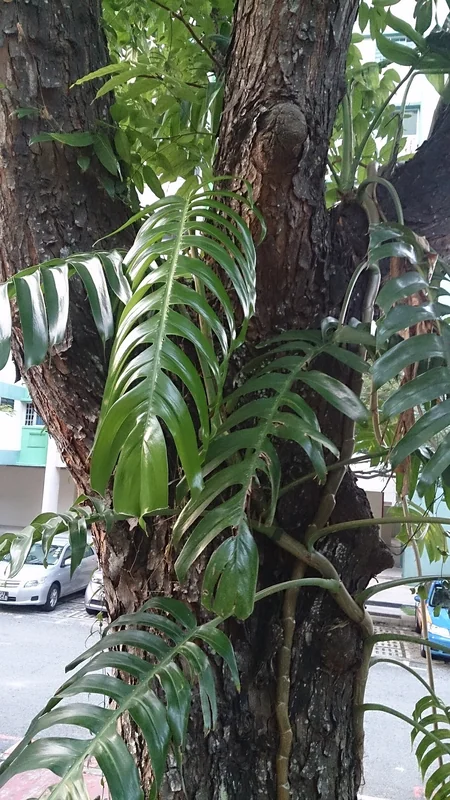 Featured photoepipremnum-aureum-cebu-blue.jpg
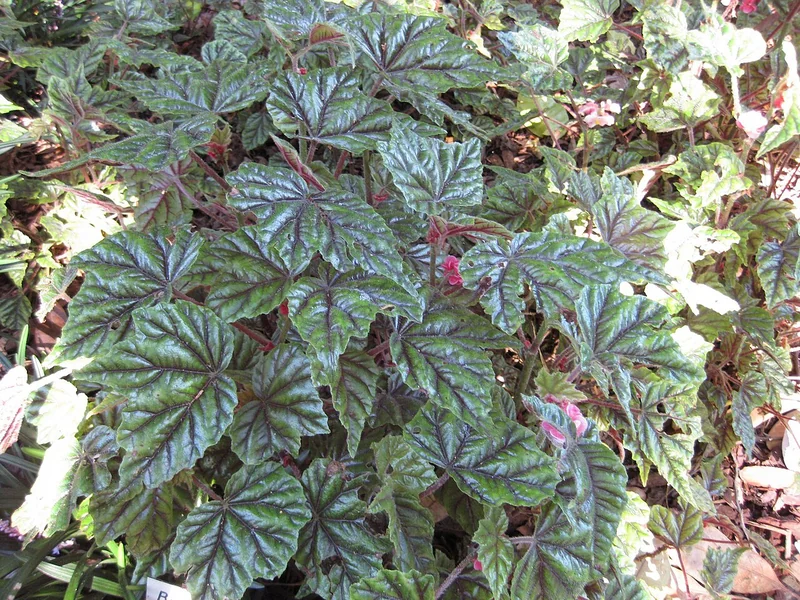
Epipremnum 'Cebu Blue', commonly attributed to Epipremnum pinnatum and originating from Cebu Island in the Philippines, is a vining aroid with narrow, iridescent blue-silver leaves that shimmer in changing light. In its juvenile form the leaves are lance-shaped; when allowed to climb a substantial support to maturity, they develop dramatic pinnate fenestrations that transform the leaf shape entirely. Its striking metallic colouration, vigorous growth, and fenestrating maturity habit have made it a top-tier collector aroid of the 2020s.
Care facts at a glance
- Light
- Bright indirect
- Water
- Water when the top 3 to 5 cm of substrate has dried; every 7 to 10 days in the growing season.
- Humidity
- 50–75 %
- Temperature
- 15–30 °C
- Soil
- Well-draining aroid mix: bark, perlite, and potting compost.
- Origin
- Humid tropical forests of Cebu Island, Philippines.
- Mature size
- Juvenile vining to 2 to 4 m; mature climbing plants on a large support can reach 6 to 10 m.
Overview
Epipremnum 'Cebu Blue' is commercially associated with Cebu Island in the Philippines and is most often attributed to E. pinnatum, though the taxonomy of the Epipremnum genus is complex and not fully resolved. The iridescent blue-silver sheen of the juvenile leaves is produced by structural colouration from the leaf surface anatomy rather than blue pigmentation. As the plant matures and climbs in its natural habitat, the leaves grow dramatically — from 10 cm lance-shaped juveniles to 60 cm or more pinnately fenestrated adult leaves similar to a Monstera in structure. This metamorphic quality has made it a favourite for growing on large indoor tree supports.
Care Priorities
- A large, sturdy moss pole or coco-coir pole is needed to encourage the transition to adult leaf form; without a climbing support, the plant remains in perpetual juvenile form with small leaves.
- Bright indirect light maintains the metallic blue-silver iridescence at its best; lower light produces darker, less iridescent leaves.
- Allow good drying between waterings — it is more drought-tolerant than golden pothos and prefers slightly drier conditions.
- New growth after the transition to adult form can emerge as large pinnate leaves rapidly; ensure the climbing structure is tall enough.
Common Problems
Loss of the blue-silver iridescence in new leaves, producing duller, darker green growth, indicates insufficient light; move to a brighter position. Failure to develop fenestrated leaves despite a long trailing period means the plant needs a vertical surface to climb — horizontal trailing never triggers the adult leaf form. Thrips cause silver-grey streaking on the iridescent leaves that is particularly visible against the blue surface; treat with insecticidal soap or systemic insecticide at the first sign. Root rot from consistently wet substrate is the primary structural risk; ensure thorough drying between waterings.
Sources & further reading (2)
- botanical-garden — accessed 2026-05-08
- encyclopedia — accessed 2026-05-08
Frequently asked questions
How do I trigger the large fenestrated leaf form?
Provide a large climbing support — a substantial moss pole or coco-coir pole at least 150 cm tall. The plant must be able to attach aerial roots to a vertical surface. It can take 6 to 18 months of climbing before the leaf transition begins.
Is it the same as a regular Pothos?
No — standard golden pothos is Epipremnum aureum, a distinct species. Cebu Blue is E. pinnatum or a closely related taxon. They share the general care requirements but Cebu Blue has narrower juvenile leaves, a metallic sheen, and fenestrates at maturity.
Can I propagate it by a single node?
Yes — a single node with one leaf and its aerial root nub will root successfully in water or moist perlite. Stem segments without leaves will also root but are slower to produce new growth.