Begonia gehrtii
Begonia gehrtii Care Guide
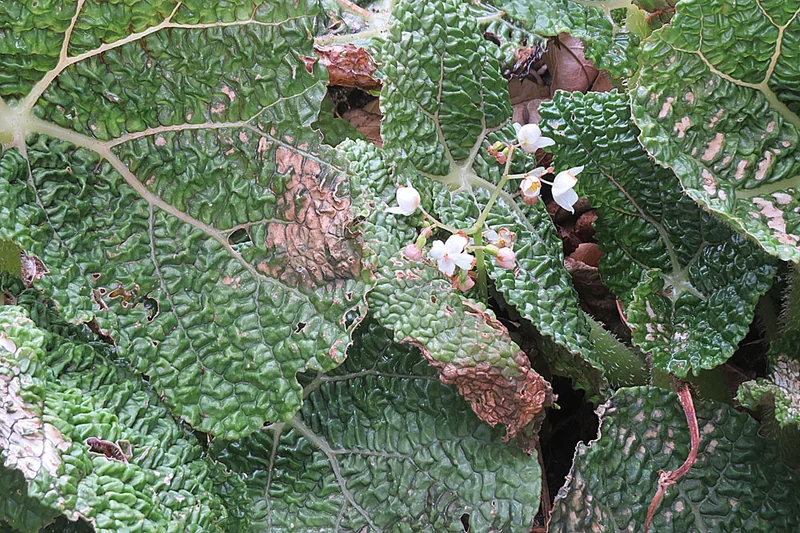 Featured photobegonia-gehrtii.jpg
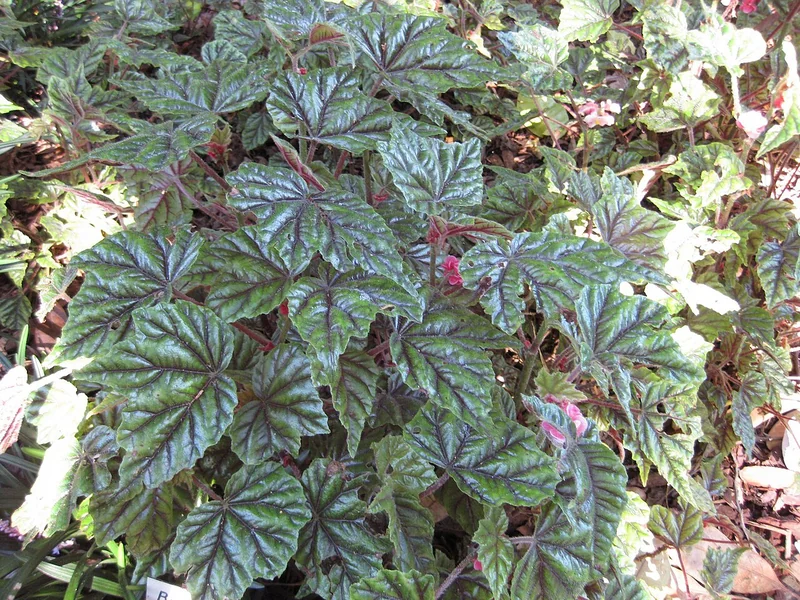
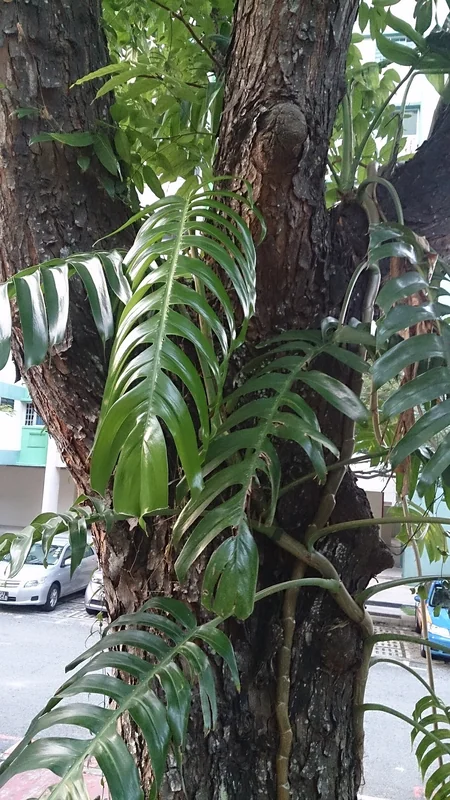
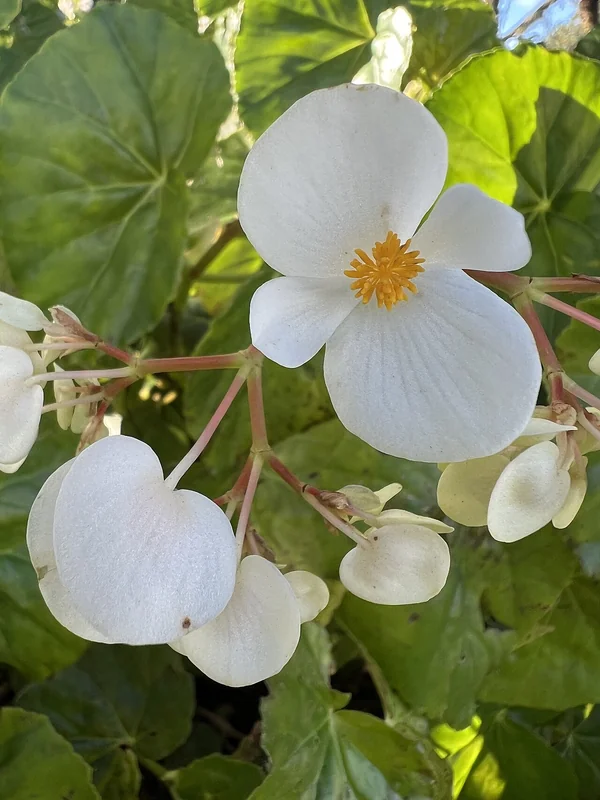
Begonia gehrtii is a fibrous-rooted, cane-type begonia from Brazil with tall, bamboo-like stems bearing large, asymmetric leaves that are often spotted or splashed with silver markings. It produces generous clusters of coral-pink flowers over an extended blooming period and can reach a substantial size when well-cultivated. Like most cane begonias, it is relatively forgiving of typical indoor conditions and rewards moderate care with attractive foliage and abundant flowers, making it a good choice for beginners and experienced growers alike.
Care facts at a glance
- Light
- Bright indirect
- Water
- Water when the top 3 cm of the substrate has dried; every 7 to 10 days in summer.
- Humidity
- 50–70 %
- Temperature
- 15–28 °C
- Soil
- Free-draining, fertile mix: potting compost with perlite and a small amount of coarse sand.
- Origin
- Humid forests of Brazil.
- Mature size
- 60 to 120 cm tall; leaves 15 to 25 cm long.
Overview
Begonia gehrtii belongs to the cane-stemmed group of fibrous-rooted begonias, characterised by erect, jointed stems that superficially resemble bamboo cane. The species is named for German botanist Martin Gehrts. In the wild it grows in the humid Atlantic Forest of Brazil, often in rocky, partially shaded habitats where good drainage and high humidity coexist. The asymmetric leaves with silver spotting and the coral-pink flower clusters are characteristic traits, and the plant has become a fixture in begonia collections for its architectural form and consistent bloom cycle.
Care Priorities
- Bright, indirect light is necessary for the best silver spot expression and prolific flowering; direct sun bleaches and scorches the foliage.
- Avoid wetting the leaves when watering; cane begonias are prone to botrytis and powdery mildew when leaf surfaces remain moist.
- Pinch growing tips in spring to encourage a bushier habit and more flowering nodes.
- Feed regularly during the growing season; cane begonias are moderate to heavy feeders when actively growing.
Common Problems
Leggy, tall stems with few leaves and poor flowering are caused by insufficient light or failure to pinch stems; cut back hard in early spring and move to a brighter location. Powdery mildew as a white film on leaves indicates poor air circulation or high humidity without airflow; improve ventilation. Thrips cause silvery streaking and distortion on new leaves; treat with insecticidal soap or systemic insecticide. Mealybugs colonise stem nodes; inspect and treat with isopropyl alcohol swabs.
Sources & further reading (2)
- botanical-garden — accessed 2026-05-08
- encyclopedia — accessed 2026-05-08
Frequently asked questions
How large does B. gehrtii get?
In good conditions it can reach 90 to 120 cm tall. Regular pruning maintains a more compact, bushy form and actually increases the flower count by stimulating branching.
Does it need a support stake?
Taller canes may need a bamboo stake for support, particularly in lower-light conditions where stems grow taller and thinner in search of light.
How long does it bloom?
In good conditions with high-phosphorus feeding, cane begonias like gehrtii can produce multiple rounds of flowers from late winter through autumn, with peak bloom in spring and early summer.