Hoya cinnamomifolia
Hoya cinnamomifolia Care Guide
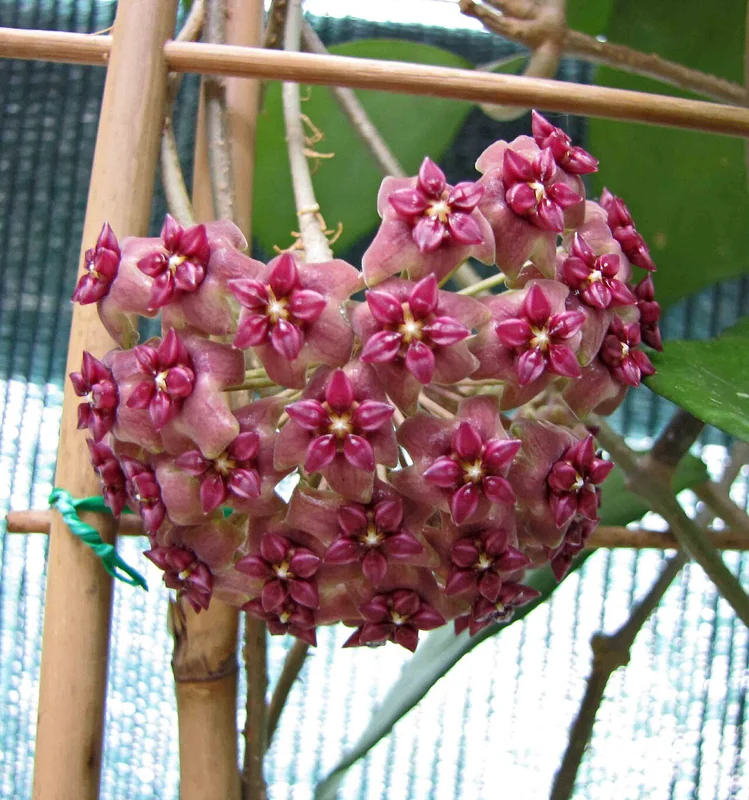 Featured photohoya-cinnamomifolia.jpg
Hoya cinnamomifolia is a robust, large-leaved hoya from Java, Indonesia, characterised by its sizeable, dark-green, cinnamon-scented leaves and attractive waxy flower clusters. The blooms are cream to pale yellow with a dark reddish-purple corona that contrasts vividly with the petals. It is a vigorous grower compared to many hoyas and tolerates slightly brighter light, making it a practical addition to any hoya collection. The thick, waxy leaves are considerably larger than those of the more common H. carnosa.
Care facts at a glance
- Light
- Bright indirect
- Water
- Water when the top 3 to 4 cm of substrate has dried completely; roughly every 7 to 14 days in summer.
- Humidity
- 50–75 %
- Temperature
- 16–30 °C
- Soil
- Well-draining hoya mix: bark, perlite, and a small amount of potting compost.
- Origin
- Humid forests of Java, Indonesia.
- Mature size
- Vining to 3 to 5 m; leaves 10 to 18 cm long.
Overview
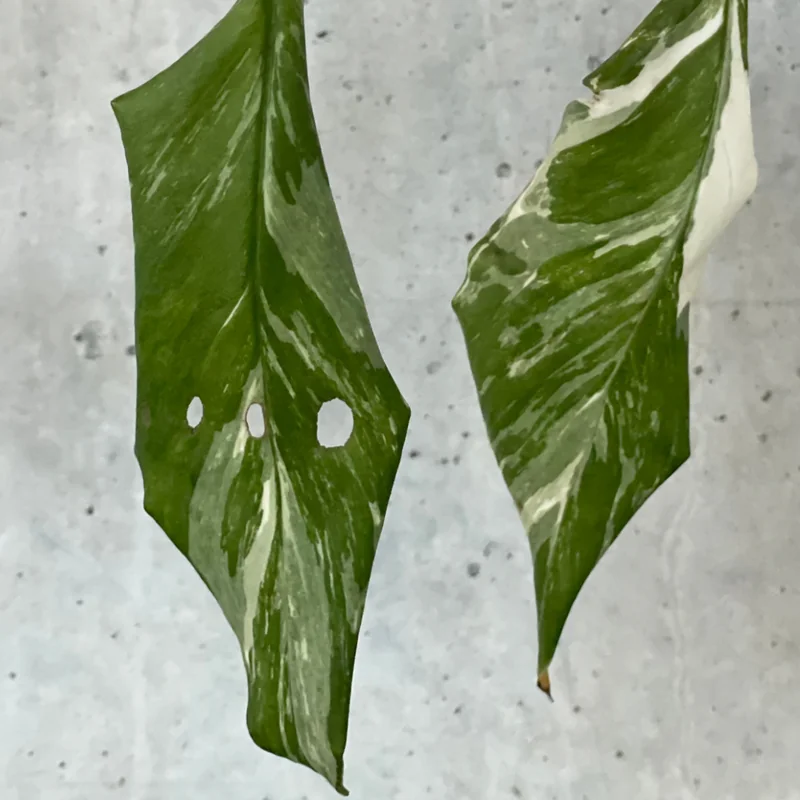
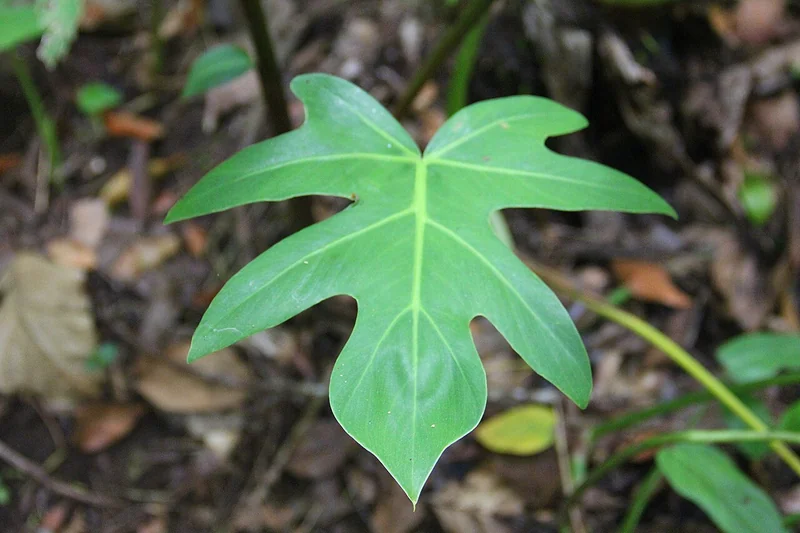
Hoya cinnamomifolia was described by Hook. and belongs to the large, species-rich genus of wax plants. Its leaf veination is deeply impressed, giving the leaves a slightly textured appearance, and the surface has a leathery, semi-glossy sheen. Unlike many hoyas that trail or cascade, cinnamomifolia grows more vigorously and can become quite a large plant. It can take 2 to 4 years to produce its first flowers, but once established it blooms regularly.
Care Priorities
- Bright, indirect light is ideal for consistent flowering; too little light delays or prevents bloom production.
- Allow the substrate to dry well between waterings — hoyas store water in their waxy leaves and are drought-tolerant.
- Do not remove flower peduncles (spurs) after blooming; new flowers emerge from the same spur the following season.
- Feed with high-phosphorus fertilizer during the growing season to initiate bud formation.
Common Problems
Buds dropping before opening indicate fluctuating temperature, relocation of the plant during bud development, or low humidity. Yellowing leaves combined with soft stems is overwatering; improve drainage immediately. Mealybugs are the most common pest; inspect leaf axils and the undersides of leaves regularly and treat with isopropyl alcohol.
Sources & further reading (2)
- botanical-garden — accessed 2026-05-08
- encyclopedia — accessed 2026-05-08
Frequently asked questions
Are the flowers fragrant?
Yes — H. cinnamomifolia flowers have a sweet, slightly spicy fragrance that is strongest in the evenings and at night.
Why are my flower buds dropping?
The most common causes are moving the plant during bud development, temperature fluctuations, or low humidity. Keep the plant in a stable location with consistent conditions once buds appear.
How do I encourage flowering?
Provide bright light, high-phosphorus fertilizer, and allow slight drought stress between waterings. A brief cool period in winter can also trigger spring flowering.