Echinopsis oxygona
Echinopsis oxygona Care Guide
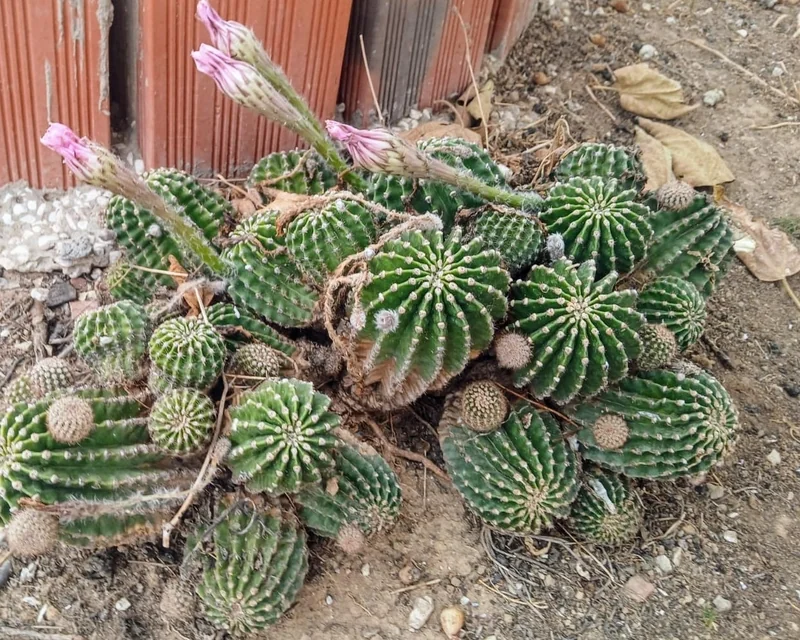 Featured photoechinopsis-oxygona.jpg
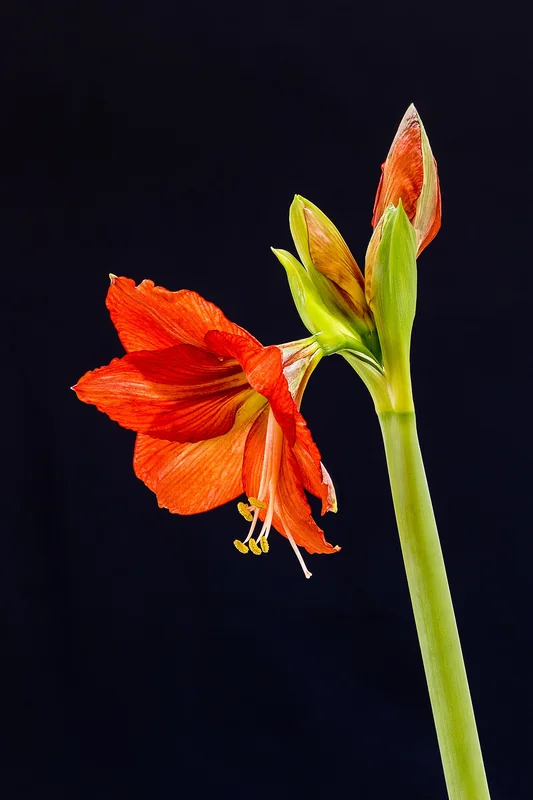
Echinopsis oxygona is a globular to columnar South American cactus that produces one of the most spectacular flowers of any cactus kept indoors: enormous, trumpet-shaped blooms up to 20 cm long in pink, white, or bicolor, that open at night and close the following day. Native to southern Brazil, Uruguay, and Argentina, it offsets freely and is a tough, cold-tolerant species that rewards minimal care with reliable annual flowering. The ephemeral night-blooming flowers are an event worth waiting for — and photographing.
Care facts at a glance
- Light
- Bright indirect
- Water
- Water thoroughly when the substrate dries completely; every 14 to 21 days in summer, once a month in winter.
- Humidity
- 20–55 %
- Temperature
- 5–35 °C
- Soil
- Free-draining cactus mix with added coarse sand or perlite; avoid moisture-retentive composts.
- Origin
- Grasslands and rocky hillsides of southern Brazil, Uruguay, and Argentina.
- Mature size
- Globe to 15 to 30 cm diameter; offsets form large clumps over many years.
Overview
Echinopsis oxygona was described by Link and Otto and belongs to a genus famous for its extraordinary flowers — disproportionately large relative to the plant body and lasting only 12 to 24 hours. The night-blooming habit is an adaptation for pollination by hawk moths in its native South American grasslands. The flowers have a delicate, sweet fragrance that is strongest after dark. The plant body is a compressed globe of 13 to 18 ribs armed with short brown spines. It forms offsets freely, creating a large clump over many years that produces ever-increasing numbers of flower buds.
Care Priorities
- Strong light, including several hours of morning direct sun, is essential for compact growth and the annual production of flower buds.
- A cool, dry winter rest period — 5 to 10 °C with minimal watering — is the primary driver of reliable summer flowering.
- Flower buds develop over 3 to 7 days; watch for the elongating bud tubes emerging from the areoles in late spring to early summer.
- Mark on your calendar when buds approach opening size; the flowers open in the evening and are fully spent by the next afternoon.
Common Problems
Failure to produce flower buds is almost always caused by insufficient light in the growing season or insufficient cold and drought in winter; both conditions must be met. Root rot from overwatering is the primary cause of plant loss; always allow the substrate to dry completely before watering. Mealybugs hide in the spine axils and between the ribs; a forceful jet of water followed by isopropyl alcohol treatment is the most effective approach. Flattened or pale growth between ribs indicates etiolation from insufficient light; move to a position with more direct sunlight.
Sources & further reading (2)
- botanical-garden — accessed 2026-05-08
- encyclopedia — accessed 2026-05-08
Frequently asked questions
How long do the flowers last?
Each individual flower is open for only 12 to 24 hours — it opens at dusk and wilts by the following afternoon. A healthy plant produces multiple buds over several weeks, extending the blooming period considerably.
Do I need to be awake to see them?
Yes — the flowers open after sunset and are at their peak between midnight and dawn. Setting an alarm or checking the plant in the late evening is the only way to catch them at their best.
Can I separate the offsets to increase my collection?
Yes — offsets that have their own roots (visible as white strands at the base) can be cleanly removed and potted in dry cactus mix. Allow the cut to callous for a week before the first watering.