Hippeastrum
Amaryllis Care Guide: Grow Stunning Hippeastrum Indoors
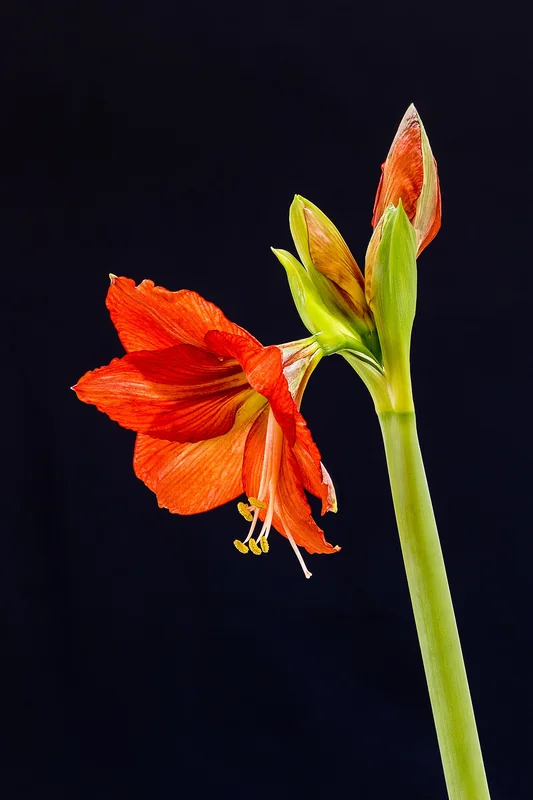 Featured photohippeastrum.jpg
Amaryllis (Hippeastrum) are popular flowering bulbs known for their large, showy blooms, often enjoyed during winter holidays. Despite their exotic appearance, they are relatively easy to care for indoors. With proper light, watering, and a dormancy period, you can enjoy their spectacular flowers year after year.
Care facts at a glance
- Light
- Bright indirect
- Water
- Water thoroughly when the top 1-2 inches of soil feel dry to the touch.
- Humidity
- 40–60 %
- Temperature
- 18–24 °C
- Soil
- Use a well-draining potting mix, ideally one formulated for bulbs or a general houseplant mix amended with perlite or coarse sand to improve drainage and prevent waterlogging around the bulb.
- Origin
- Native to the tropical and subtropical regions of South America, particularly Brazil and Peru.
- Mature size
- Typically grows 1-2 feet (30-60 cm) tall with a similar spread, depending on the cultivar.
Overview
Hippeastrum, commonly called Amaryllis, is a genus of about 90 species of flowering bulbs native to the tropical and subtropical regions of South America. They are cherished for their dramatic, trumpet-shaped flowers that emerge on tall stalks, often in shades of red, pink, white, or striped patterns. These plants are a favorite for holiday decor and make a striking statement in any indoor setting.
Care Priorities
To ensure your Amaryllis thrives and reblooms, focus on these key areas:
- Bright, Indirect Light: Essential for strong growth and flower development.
- Consistent Watering: Keep soil moist but not soggy during active growth.
- Dormancy Period: A cool, dry rest period is crucial for future flowering.
- Well-Draining Soil: Prevents bulb rot.
Common Problems
The most common issues with Amaryllis include failure to rebloom, which is often due to insufficient light, improper watering, or skipping the dormancy period. Overwatering can lead to bulb rot, while underwatering during active growth can stunt development. Pests like mealybugs can sometimes be a problem, especially if the plant is stressed.
Sources & further reading (4)
- encyclopedia — accessed 2026-04-24
- dataset — accessed 2026-04-24
- botanical-garden — accessed 2024-07-30
- botanical-garden — accessed 2024-07-30
Frequently asked questions
How do I get my Amaryllis to rebloom?
After flowering, cut the spent flower stalk, continue watering and fertilizing to allow leaves to grow. In late summer/early fall, stop watering and fertilize, allow leaves to die back, and store the bulb in a cool, dark place for 8-10 weeks. Repot and resume watering to initiate new growth.
Why are my Amaryllis leaves turning yellow?
Yellowing leaves can indicate overwatering, nutrient deficiency, or the natural onset of dormancy. Check soil moisture and adjust watering. If it's late summer/early fall, it might be preparing for dormancy.
Can I plant Amaryllis outdoors?
In USDA Zones 8-10, Amaryllis can be planted outdoors in a protected spot. In colder climates, they are typically grown as houseplants and brought indoors before the first frost.
What is the difference between Hippeastrum and Amaryllis belladonna?
While Hippeastrum is commonly called Amaryllis, the true Amaryllis genus contains only one species, Amaryllis belladonna, native to South Africa. Hippeastrum species are native to South America and are the ones typically sold as "Amaryllis" for indoor forcing.