Cereus repandus
Cereus repandus Care Guide
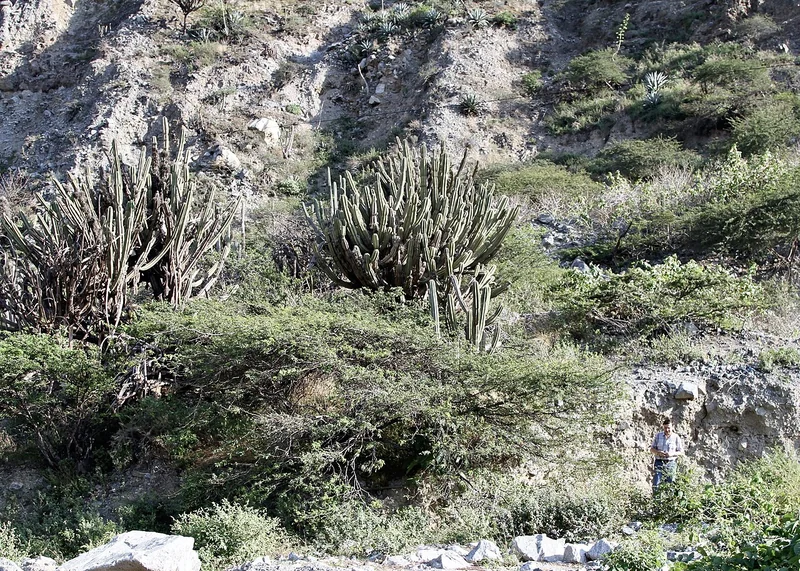 Featured photocereus-repandus.jpg
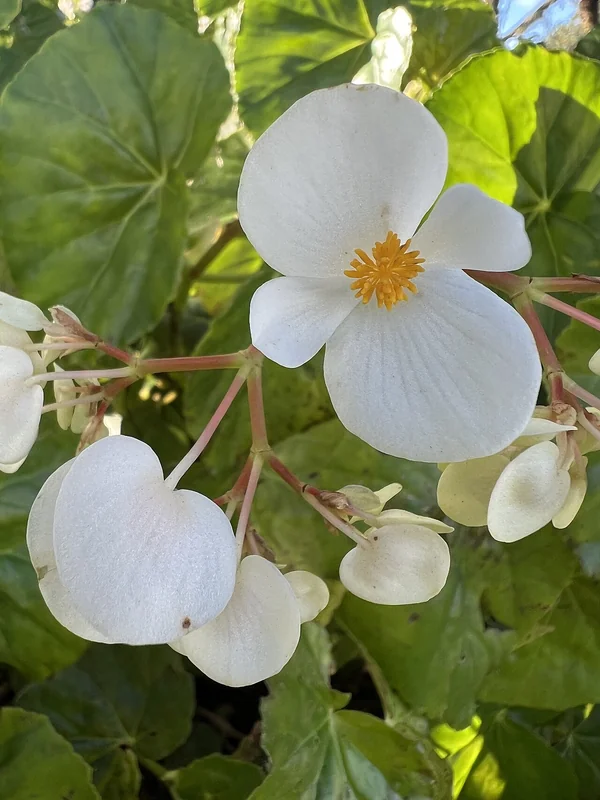
Cereus repandus, known as the Peruvian apple cactus, is one of the tallest columnar cacti in cultivation — a vigorous, tree-like species native to the Caribbean and South America that produces tall, blue-grey ribbed columns with prominent dark spines. Indoors it is a dramatic structural plant that tolerates neglect with remarkable ease. It produces large, white, night-blooming flowers on mature specimens and is fast-growing relative to most cacti. Its architectural presence and minimal care requirements make it popular as both a windowsill plant and a floor-standing statement specimen.
Care facts at a glance
- Light
- Bright indirect
- Water
- Water thoroughly when the substrate is completely dry; every 14 to 21 days in summer, once every 4 to 6 weeks in winter.
- Humidity
- 15–50 %
- Temperature
- 8–38 °C
- Soil
- Fast-draining cactus mix: cactus compost with coarse sand or perlite; use a heavy pot to prevent toppling.
- Origin
- Arid to semi-arid areas of Venezuela, the Netherlands Antilles, and widely naturalised in the Caribbean.
- Mature size
- Up to 10 m outdoors; 60 to 180 cm indoors in containers; 3 to 5 ribs on each column.
Overview
Cereus repandus was described by Miller in 1768 and is one of the original columnar cacti introduced to European cultivation. It grows naturally in the arid tropical regions of Venezuela and the Caribbean as a tree-like cactus forming tall, branching trunks that serve as important habitat and food sources for birds and bats. The blue-grey wax coating on the ribs is a sunscreen adaptation that reflects UV radiation in its high-light native habitat. Indoors, growth is slower than outdoors but still relatively fast — a 30 cm plant can reach 60 to 90 cm in 2 to 3 years with good light and appropriate care.
Care Priorities
- Maximum light is needed for compact, upright growth; in insufficient light the column leans toward the light source and new growth becomes thinner (etiolation), creating a permanent weak point.
- Rotate the pot quarterly to prevent uneven growth toward the light source.
- Large columns become heavy; use a heavy pot or add gravel to the base of the substrate as ballast to prevent toppling.
- Handle with thick gloves — the long, rigid spines on the ribs are sharp and can cause significant puncture wounds.
Common Problems
Etiolation — thin, pale growth at the tip leaning toward a light source — is the most common problem in indoor growing; maximum light prevents it, and once etiolated the weaker section cannot be undone. Fungal stem rot as a brown, water-soaked area spreading down from a wound or up from the base is serious; cut to healthy tissue with a sterile blade, dust with sulphur, and allow to dry. Scale insects on the ribs resemble natural surface texture; inspect closely and treat with systemic insecticide. Root rot from overwatering in winter causes the base to soften; avoid all watering if temperatures drop below 10 °C.
Sources & further reading (2)
- botanical-garden — accessed 2026-05-08
- encyclopedia — accessed 2026-05-08
Frequently asked questions
How tall will it get indoors?
Limited by ceiling height and pot size — in a standard-height room with a large container, expect 120 to 180 cm over 5 to 10 years. Container growing naturally restricts the size compared to outdoor cultivation.
Can I grow the crested (monstrose) form?
Yes — the crested (cristate) form of C. repandus, with fan-shaped, wavy growth, is widely available and is grown identically to the normal form. It is more ornamental but slightly more susceptible to rot at the fan centre where water can collect.
Does it flower indoors?
Rarely, unless the specimen is large and in an exceptionally bright position. The large, white, fragrant nocturnal flowers require the plant to be several years old and close to its maximum pot-constrained size.