Begonia hatacoa
Begonia hatacoa Care Guide
 Featured photobegonia-hatacoa.jpg
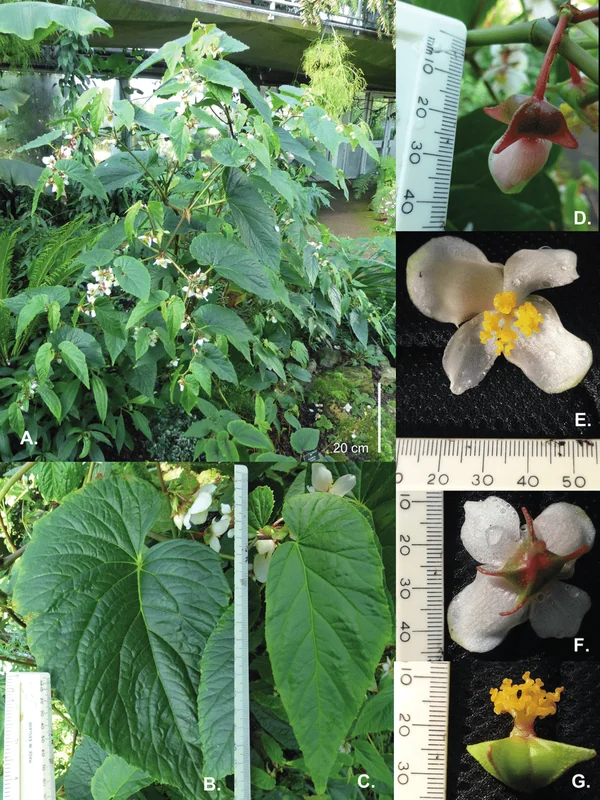
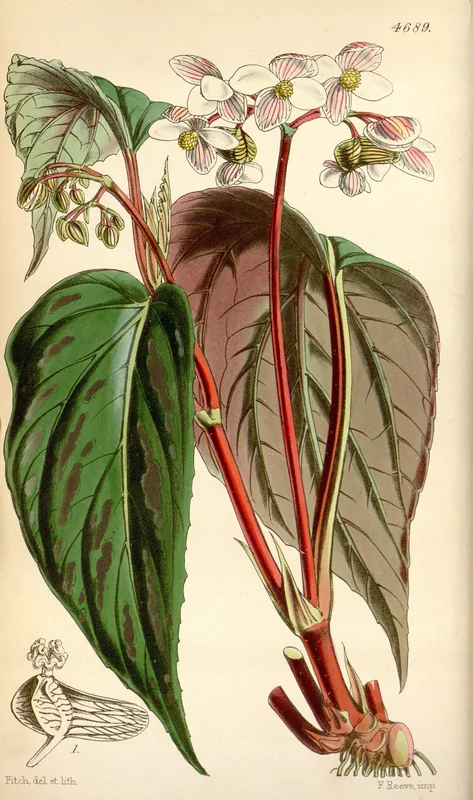
Begonia hatacoa is a fibrous-rooted begonia native to the cool, humid forests of the eastern Himalayas — Nepal, Bhutan, and northeastern India — growing at elevations where temperatures are considerably cooler than typical tropical begonia habitats. It has softly hairy, medium-green leaves and produces delicate sprays of small white to pale pink flowers. Its tolerance of lower temperatures makes it a valuable begonia for growers in cooler indoor environments, and it can even be grown outdoors in temperate climates during summer.
Care facts at a glance
- Light
- Medium light
- Water
- Water when the top 2 to 3 cm of substrate has dried; every 7 to 10 days in the growing season.
- Humidity
- 60–80 %
- Temperature
- 10–24 °C
- Soil
- Well-draining, humus-rich mix: coir or peat, perlite, and fine bark in equal parts.
- Origin
- Cool humid forests of Nepal, Bhutan, and northeastern India (Himalayan foothills and mid-montane zone).
- Mature size
- 30 to 50 cm tall and wide.
Overview
Begonia hatacoa was described by Buchanan-Hamilton and Don and has been cultivated in European botanical gardens since the nineteenth century, valued for its tolerance of cooler conditions that excludes most tropical begonias. The species name derives from a place name in Nepal. In its native habitat it grows in the moist understorey of Himalayan oak and rhododendron forests at 1000 to 2000 m elevation, where seasonal cool temperatures, high humidity, and well-drained rocky substrates define the growing conditions. It enters a partial resting state in the coolest months.
Care Priorities
- Indirect, filtered light replicates the shaded Himalayan forest understorey; direct sun causes leaf scorch.
- Cooler temperatures than most houseplants — avoid locations near heating vents and prefer a cool room in winter.
- High ambient humidity is essential; low humidity causes leaf margin browning and reduced flowering.
- Reduce watering in the coolest months to avoid root rot when the plant is growing most slowly.
Common Problems
Heat stress in warm summer conditions causes wilting and poor growth; move to the coolest available indoor location or to a shaded outdoor position. Botrytis on spent flowers in humid conditions spreads quickly in cool temperatures; deadhead consistently and maintain airflow. Powdery mildew is more common than in warmer-grown begonias due to the cool, humid conditions this species prefers; treat with potassium bicarbonate spray. Root rot in winter from continued regular watering is a common cause of decline; reduce watering frequency significantly when temperatures drop below 15 °C.
Sources & further reading (2)
- botanical-garden — accessed 2026-05-08
- encyclopedia — accessed 2026-05-08
Frequently asked questions
Can B. hatacoa survive temperatures below 10 °C?
Brief exposure to near 10 °C is tolerated, but sustained cold damages the plant. It is hardier than most tropical begonias but should not be exposed to frost under any circumstances.
Is it suitable for a cool conservatory?
Yes — a frost-free conservatory or glasshouse that stays above 10 °C in winter suits it very well, which is unusual among begonias. The cool conditions that limit most tropical species actually suit its native habitat.
How often does it flower?
It typically flowers in spring and early summer, producing multiple sprays of flowers over several weeks. A second flush can occur in autumn if conditions remain mild.