Begonia acetosella
Begonia acetosella Care Guide
 Featured photobegonia-acetosella.jpg
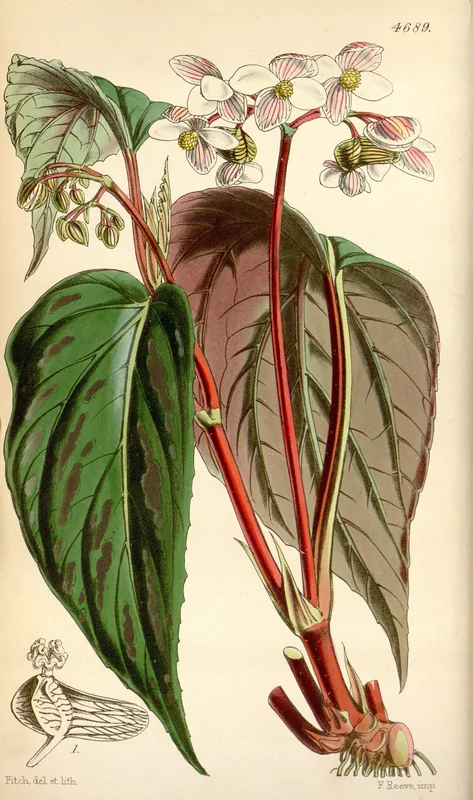
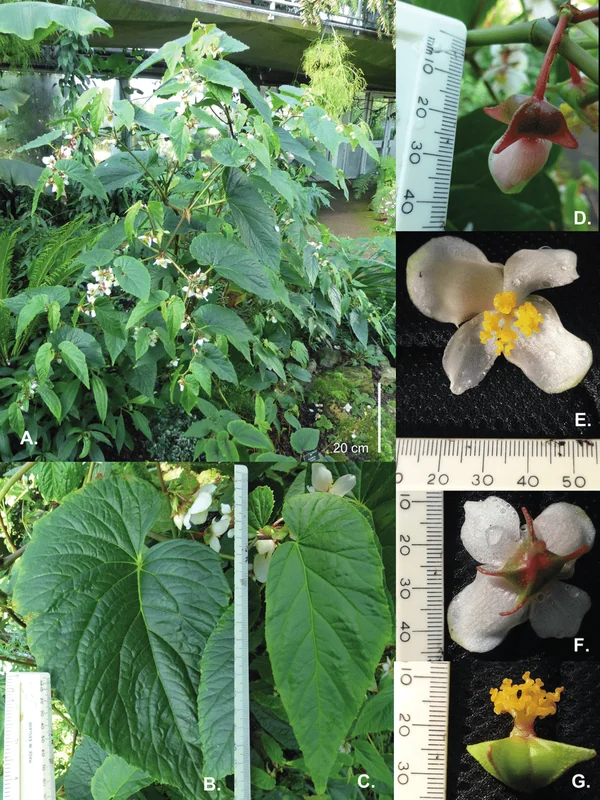
Begonia acetosella is a fibrous-rooted begonia from the humid forests of Southeast Asia — particularly Myanmar, Thailand, and Yunnan province in China — known for its attractively hairy, somewhat sorrel-shaped leaves and graceful sprays of pale to rosy pink flowers. It is a terrestrial to semi-epiphytic species that grows in shaded, moist forest understorey conditions and translates well to indoor culture with consistent humidity and indirect light. Its delicate foliage texture and prolific flowering make it a popular species among begonia collectors.
Care facts at a glance
- Light
- Medium light
- Water
- Water when the top 2 to 3 cm of the substrate has dried; roughly every 7 to 10 days in growing season.
- Humidity
- 60–80 %
- Temperature
- 15–28 °C
- Soil
- Well-draining, humus-rich mix: peat or coir, perlite, and fine bark in equal parts.
- Origin
- Humid forest understorey of Myanmar, Thailand, and Yunnan, China.
- Mature size
- 30 to 60 cm tall and wide; leaves 8 to 15 cm long.
Overview
Begonia acetosella was described by Craib and is named for the resemblance of its leaves to those of sorrel (Rumex acetosa). The hairy leaf surface gives a velvety texture to the touch and the leaves display a characteristic asymmetric base typical of the genus. Native to shaded forest floors and rocky cliff faces in Southeast Asian hill forests, the species has adapted to high humidity and dappled light filtered through dense canopy cover. Its graceful, multi-flowered sprays bloom over an extended period from late winter through summer.
Care Priorities
- Medium to bright indirect light replicates the dappled canopy conditions of its natural habitat; direct sun scorches the velvety leaves.
- Consistent moderate moisture is preferred over extreme wet-dry cycles; never allow the rootball to dry completely.
- High humidity prevents leaf margin browning and encourages continuous flowering; use a pebble tray or humidifier.
- Good air circulation reduces the risk of botrytis on the flowers and powdery mildew on the foliage.
Common Problems
Powdery mildew as a white coating on leaf surfaces is a common problem in poor air circulation; improve ventilation and apply a fungicide if it spreads. Botrytis on spent flowers causes grey-brown rot that spreads to healthy tissue if not removed promptly — deadhead regularly. Fungus gnats in the substrate indicate consistently wet conditions; allow the top layer to dry more between waterings and use sticky traps. Leggy growth with few flowers means insufficient light; gradually move to a brighter indirect position.
Sources & further reading (2)
- botanical-garden — accessed 2026-05-08
- encyclopedia — accessed 2026-05-08
Frequently asked questions
Is B. acetosella easy to grow indoors?
It requires consistent humidity above 60 percent, which is higher than average indoor conditions. A bathroom, terrarium, or humidified shelf suits it well, and in such conditions it is a rewarding, prolific bloomer.
How does it differ from B. hatacoa?
Both are fibrous-rooted Southeast Asian species with hairy leaves, but acetosella has more distinctly sorrel-shaped, broader leaves and typically paler flowers. Hatacoa comes from higher-altitude Himalayan forests and tolerates cooler temperatures.
Can I propagate it from a single leaf?
Yes — leaf cuttings placed on the surface of a moist propagation mix will root and produce plantlets, though stem cuttings root faster and produce plants more quickly.