Hedera helix
Hedera helix (English Ivy) Care Guide
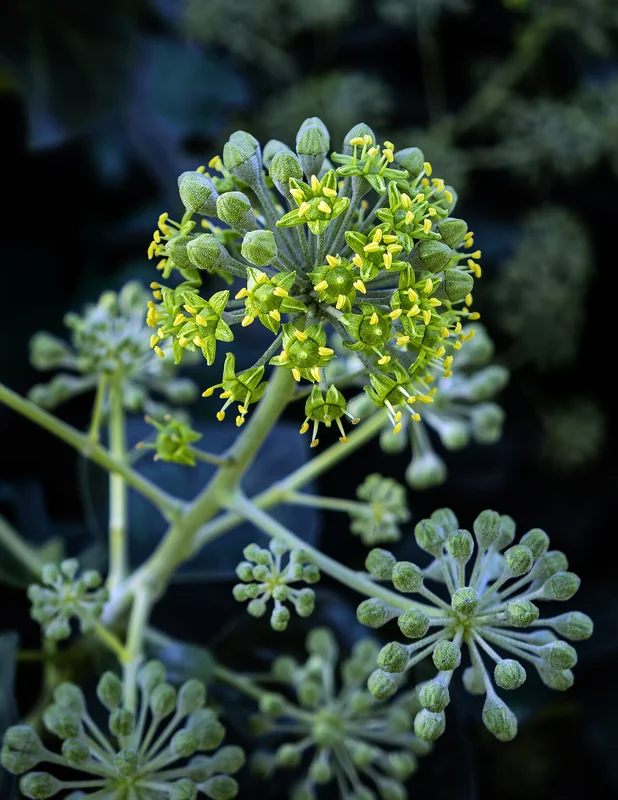 Featured photohedera-helix.jpg
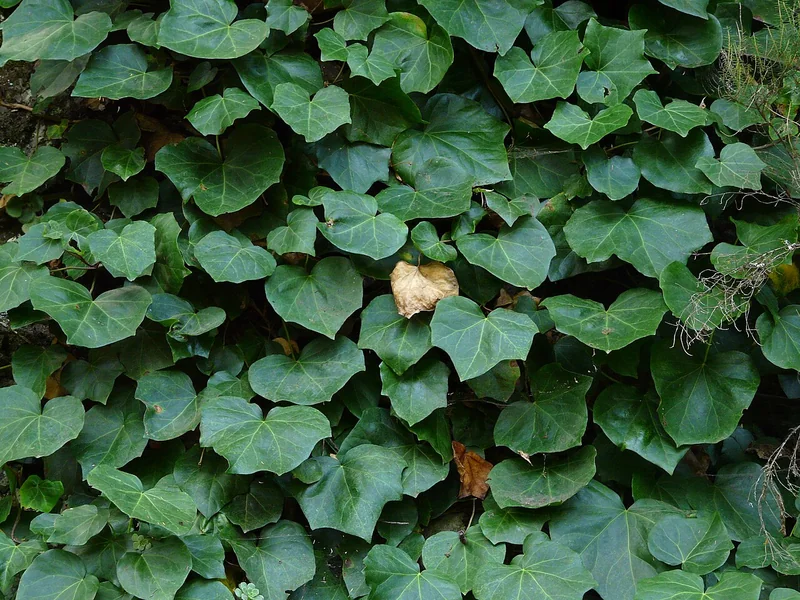
Hedera helix is the common English ivy, a European climbing evergreen that has produced hundreds of compact cultivars for indoor growing. Variegated and small-leaved cultivars are the most popular as houseplants and trail attractively from hanging pots or climb a small trellis. It is more cold-tolerant than most tropical houseplants and tolerates lower humidity.
Care facts at a glance
- Light
- Medium light
- Water
- Water when the top 2 cm of mix has dried.
- Humidity
- 40–60 %
- Temperature
- 10–21 °C
- Soil
- Standard well-draining houseplant mix with perlite.
- Origin
- Europe and western Asia.
- Mature size
- Vining stems to 1 to 2 metres indoors.
Overview
Hedera helix has been cultivated in Europe for centuries as both a wall climber and a ground cover. The houseplant trade focuses on compact and variegated cultivars like Glacier, Goldchild, and Needlepoint.
Care Priorities
- Cooler temperatures than most tropicals — 10 to 21 °C is the sweet spot.
- Medium to bright filtered light; deep shade slows growth and dulls variegation.
- Watch for spider mites — English ivy is one of their favourite indoor hosts.
- Wash leaves periodically under a tepid shower to discourage mites.
Common Problems
Spider mite stippling is the most common indoor problem. Yellow lower leaves with healthy upper foliage is overwatering. Loss of variegation in low light is reversible by moving to a brighter spot.
Sources & further reading (2)
- encyclopedia — accessed 2026-04-28
- botanical-garden — accessed 2026-04-28
Frequently asked questions
Why are spider mites so attracted to English ivy?
Ivy leaves are an ideal mite habitat — slightly leathery, low humidity tolerance, and indoor warmth. Regular leaf rinses are the simplest preventive.
Will my indoor ivy ever flower?
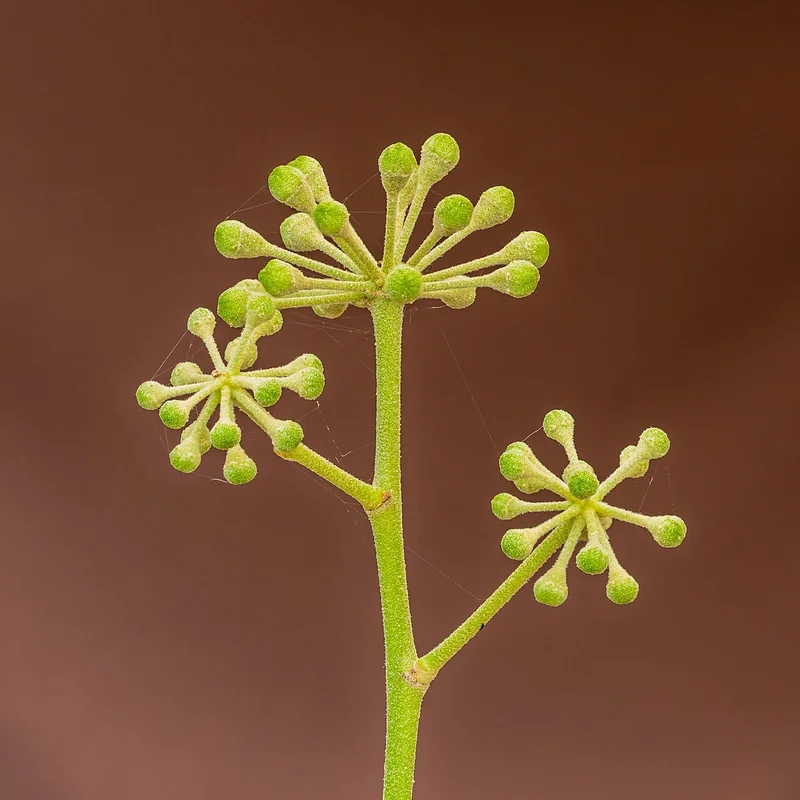
Indoor plants almost never flower; ivy needs to reach the mature canopy form to bloom, which requires years of vertical climbing space.
Why is my ivy losing its variegation?
Low light makes variegated cultivars revert to plain green. Move to a brighter spot or prune back to a node with white showing.