Place
Elysium
Paradise of the heroic dead in the Greek underworld, a realm of eternal bliss.
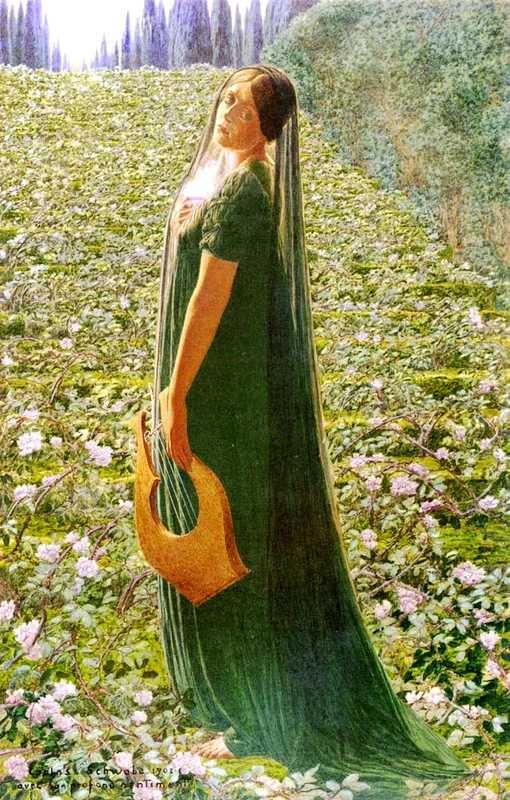
Elysium (also the Elysian Fields, Greek: Elysion) is the paradise at the western edge of the earth or in the depths of the underworld reserved for the souls of heroes and the exceptionally virtuous in Greek mythology. It is described as a place of eternal happiness, perfect weather, and unchanging sunlight, contrasting with the gloomy Asphodel Meadows where ordinary souls dwell. Homer's Odyssey (4.563–568) places it at the western edge of the earth for the still-living Menelaus. Later tradition, including Pindar, places it in the underworld as a reward for the virtuous dead who have been judged worthy.
Quick facts
- Pantheon
- Greek
- Figure type
- Place
- Period
- Attested from Homer (c. 750 BCE); developed in Pindar (5th c. BCE)
- Primary sources
- Homer Odyssey 4.563–568; Hesiod Works and Days 167–173; Pindar Olympian Odes 2.61–80; Apollodorus Epitome (general)
- Related figures
- hades, persephone, heracles, achilles, minos
Description of Elysium
Homer's Odyssey (4.563–568) provides the first extended description: Elysium lies at the edge of the earth where the Elysian plain and the ends of the earth are. 'There is no snow, no great storm, no rain; but always Ocean sends up breezes of the west wind to refresh mortals.' This early passage is addressed to Menelaus, still living, whom the gods promise to send to Elysium without dying — a privilege reserved for those especially favoured. Hesiod's Works and Days (167–173) identifies the Islands of the Blessed (Makaron Nesoi) as the Elysian afterlife for the heroes of the fourth age. These islands, set in the Ocean, are ruled by Cronus.
Pindar and the Elysian afterlife
Pindar's Olympian Odes 2 (c. 476 BCE) contains the most detailed early description of Elysium as an afterlife destination for the virtuous. Those who have kept their souls pure through three lifetimes on earth travel to the towers of Cronus on the Isle of the Blessed, where 'gentle breezes breathe, and golden flowers blaze.' Here heroes enjoy athletic contests and music. Pindar's vision reflects an emerging Pythagorean/Orphic influence on ideas of the afterlife as a reward for the good, in contrast with Homer's gloomy, undifferentiated underworld of shades.
Sources & further reading (2)
- primary-source — accessed 2026-05-06
- encyclopedia — accessed 2026-05-06
Frequently asked questions
Who went to Elysium in Greek mythology?
According to Greek mythological tradition, Elysium was reserved for heroes and those specially favoured by the gods. Homer's Odyssey (4.563) promises it to Menelaus because he is the son-in-law of Zeus. Hesiod's Works and Days (167–173) sends the heroes of the Trojan and Theban wars to the Islands of the Blessed. Later sources such as Pindar (Olympian Odes 2) and Plato's dialogues (Republic 614b) extend the reward to those who have lived righteously across multiple lifetimes, reflecting the influence of Pythagorean and Orphic beliefs.
What is the Elysian Fields?
The Elysian Fields (Elysion pedion, 'the plain of Elysium') is the paradise section of the Greek underworld, described as a place of perfect bliss for the souls of the heroic dead. It is distinct from the Asphodel Meadows (where ordinary souls wander) and Tartarus (where the wicked are punished). The term 'Elysian Fields' became a common expression in European languages for any idyllic paradise. The Champs-Élysées (Elysian Fields) in Paris takes its name from the mythological concept.