Creature
Dokkaebi
The mischievous goblin spirits of Korean folklore — born from objects soaked in human blood or energy.
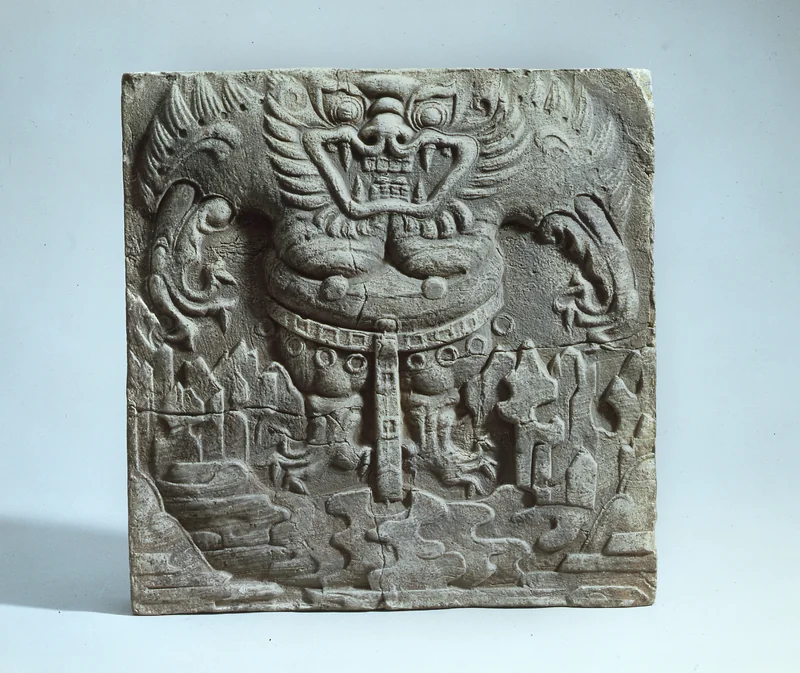
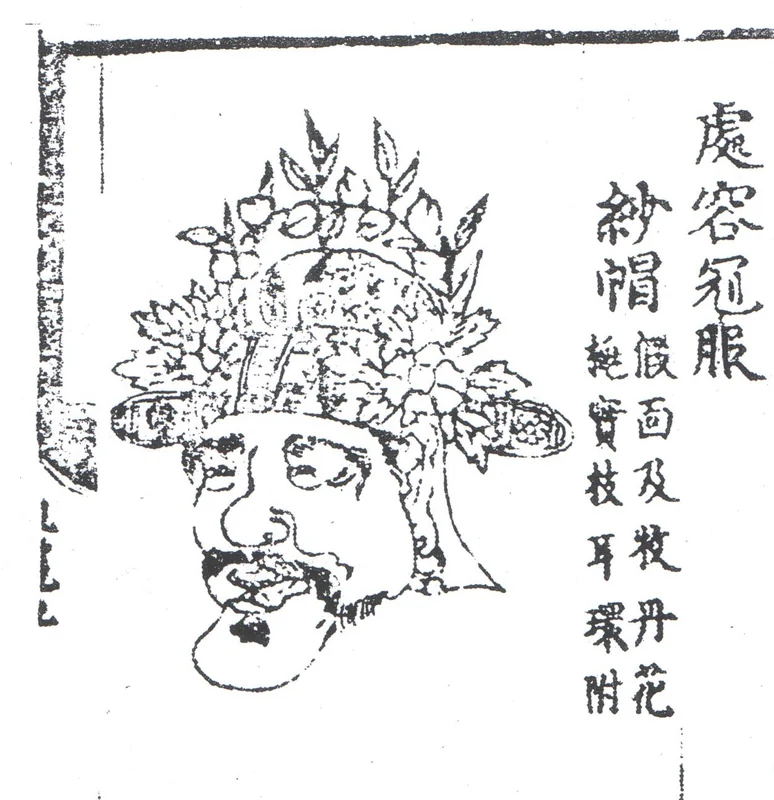
Dokkaebi (도깨비) are the goblin or ogre spirits of Korean folklore — supernatural beings who are neither clearly evil nor clearly good but are fundamentally mischievous, powerful, and capricious. Unlike demons who were once human spirits or gods who were always divine, dokkaebi are most commonly said to arise from inanimate objects — old brooms, clubs, or tools that have been soaked in human blood or used intensely over a long time and thereby gained a spiritual essence. They can appear as humanoid figures (sometimes with horns, single eyes, or clubs studded with iron) or remain invisible. They love to wrestle, drink makgeolli (rice wine), and play tricks; they can be tricked back. They are found across Korean folk narrative traditions collected in the Joseon period (1392–1897 CE) and documented by early 20th-century folklorists.
Quick facts
- Pantheon
- Korean
- Figure type
- Creature
- Period
- Attested in Joseon-period (1392–1897 CE) literature; oral tradition older; documentation from early 20th-century CE folklore collections
- Primary sources
- Donggukyeoji Seungnam (1481 CE): regional gazetteers with local spirit accounts; Joseon-period saseol sijo and narrative folk literature (various)
- Related figures
- gumiho, imugi, samsin
Origin and nature
The dokkaebi's origin in the Korean folk tradition is typically through object-animation rather than death or divine birth. Objects that have been in prolonged contact with human energy — particularly blood-soaked objects — can develop spiritual consciousness and become dokkaebi. Common origin objects include old brooms, pestles, wooden clubs, and broken tools. This animistic origin distinguishes dokkaebi from Chinese-influenced gui (ghosts of the dead) or malevolent mountain spirits. Dokkaebi typically appear at night or in liminal spaces (crossroads, mountains, old houses). Their appearance varies by regional tradition: some are depicted as large and terrifying with wild hair and horns; others as small and childlike; others as flickering lights (dokkaebi-bul, 'dokkaebi fire') in the dark. They are consistently associated with strength, wrestling, and a love of drinking.
Encounters and interactions
Korean folk tales involving dokkaebi consistently involve humans who must deal with the spirits through wit rather than force. A common tale type has a dokkaebi who befriends or challenges a human to a wrestling match — the human wins by stepping on the dokkaebi's shadow, which causes it pain or defeat. Dokkaebi can also be generous: a kind-hearted person who treats a dokkaebi well may receive gifts of gold, rice, or luck. They are repelled by millet (sorghum) blood — one folk belief holds that sprinkling millet porridge or blood on a doorstep prevents dokkaebi entry. In many tales, a dokkaebi falls in love with a human woman and must be tricked or placated. The association with makgeolli (Korean rice wine) is a consistent folk belief: dokkaebi are said to love drinking, and an offering of rice wine left out may appease them.
Sources & further reading (2)
- encyclopedia — accessed 2026-05-06
- primary-source — accessed 2026-05-06
Frequently asked questions
Are dokkaebi the same as Japanese oni?
Dokkaebi and Japanese oni are sometimes compared because both are horned, club-wielding supernatural beings in East Asian folklore, and the word dokkaebi has been rendered as 'goblin' or 'ogre' — terms also applied to oni. However, they differ significantly in origin and character. Japanese oni are typically depicted as demonic beings who punish the wicked in Buddhist hell (jigoku) or as monstrous enemies to be defeated; they are fundamentally malevolent. Dokkaebi, by contrast, are morally ambiguous: they play tricks, wrestle, and drink, but are not inherently evil and can be befriended or outfoxed. Their origin from inanimate objects (not human souls) is also quite different from oni, who in many traditions are spirits of the dead or Buddhist punishment agents. The visual similarity (horns, clubs) may reflect shared East Asian artistic conventions.
Do dokkaebi appear in Korean classical literature?
The dokkaebi is primarily a creature of oral folk tradition, documented extensively in early 20th-century CE folklore collections, but references appear in Joseon-period (1392–1897 CE) texts. The Donggukyeoji Seungnam (東國輿地勝覽, 'Augmented Survey of the Geography of Korea', 1481 CE) contains local accounts of strange spirit encounters in various regions that scholars have identified as dokkaebi-adjacent. Saseol sijo (vernacular Korean songs), p'ansori narratives, and classical Korean short fiction (gasa) from the Joseon period include dokkaebi characters. However, unlike the highly developed literary mythology around figures like Dangun or Jumong, the dokkaebi lives primarily in vernacular culture — a genuine folk spirit of the common people rather than a figure of royal or cosmological myth.