Hero
Cassiopeia
Vain queen of Aethiopia in Greek mythology, placed among the stars as punishment.
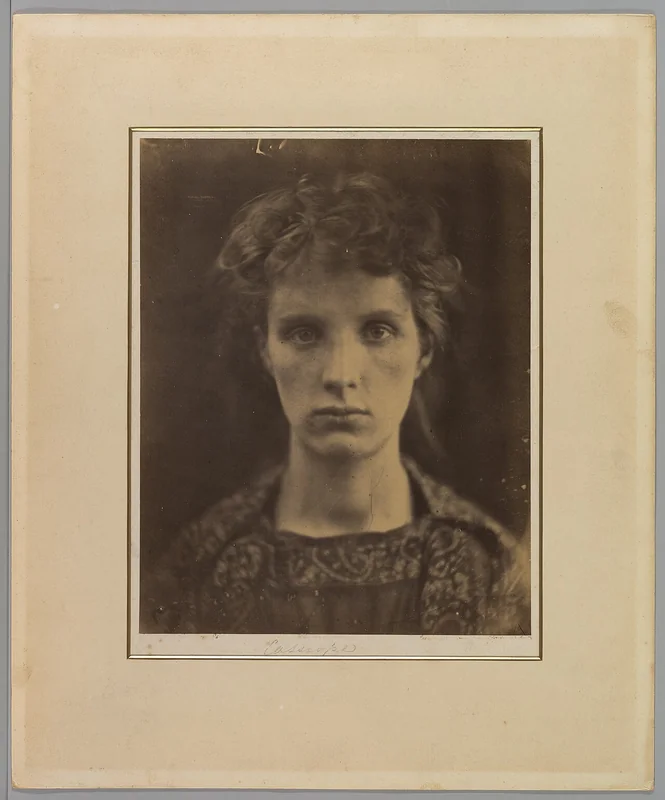
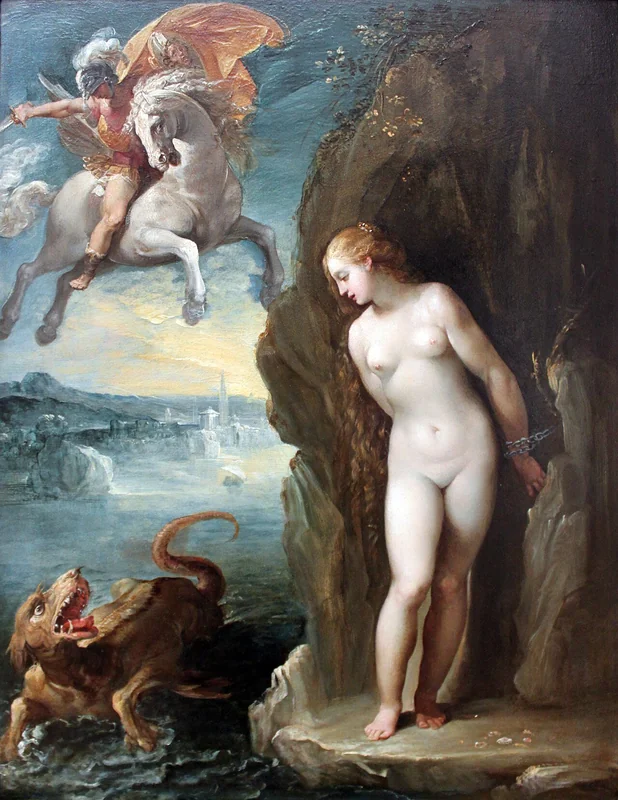
Cassiopeia is a queen of Aethiopia in Greek mythology, wife of King Cepheus and mother of Andromeda. She is best known for her vain boast that she (or Andromeda) surpassed the beauty of the Nereids (sea-nymphs), which angered Poseidon and led to the monster Cetus being sent to ravage her kingdom. To placate the monster, her daughter Andromeda was chained to a rock as a sacrifice, until rescued by Perseus. After death, Cassiopeia was placed among the stars as the constellation Cassiopeia — notably placed in a position where she revolves around the celestial pole and sometimes appears upside-down, as an ongoing humiliation.
Quick facts
- Pantheon
- Greek
- Figure type
- Hero
- Period
- Mythological tradition; set in the generation of Perseus
- Primary sources
- Apollodorus Bibliotheca 2.4.3; Aratus Phaenomena 197–200; Eratosthenes Catasterismi 15
- Related figures
- andromeda, cepheus, perseus, poseidon
- Constellation link
- Cassiopeia Constellation (Cassiopeia)
The boast and its consequences
Apollodorus (Bibliotheca 2.4.3) records the boast of Cassiopeia as the precipitating event in the myth of Perseus and Andromeda. Cassiopeia proclaimed that her daughter Andromeda was more beautiful than the Nereids. Poseidon, enraged on behalf of the sea-nymphs, sent the sea monster Cetus to devastate the Aethiopian coast. An oracle directed that Andromeda be sacrificed to appease the monster. The myth reflects the ancient Greek theme of hybris (presumptuous pride) and nemesis (divine punishment): Cassiopeia's boastfulness brought disaster on her kingdom and child.
Constellation
After her death, Cassiopeia was placed among the stars as the constellation Cassiopeia, described by Aratus (Phaenomena 197–200) and Eratosthenes (Catasterismi 15). She is depicted seated on a throne, a distinctive W or M shape in the northern sky. Her placement in the sky is distinctive: she is a circumpolar constellation visible year-round from northern latitudes, rotating around the celestial pole. In Aratus's account, she sometimes appears with her head pointing downward — an ongoing punishment for her vanity, since she is periodically shown 'upside-down' to the earth.
Sources & further reading (2)
- primary-source — accessed 2026-05-06
- encyclopedia — accessed 2026-05-06
Frequently asked questions
What is the constellation Cassiopeia?
Cassiopeia is an IAU constellation covering 598 square degrees in the northern sky, one of Ptolemy's original 48 (Almagest, c. 150 CE). It is one of the most recognisable constellations, forming a distinctive W or M shape visible year-round from northern latitudes as a circumpolar constellation. It represents Queen Cassiopeia seated on her throne. The constellation contains several notable deep-sky objects including the Cassiopeia A supernova remnant. It is best seen in autumn in the northern hemisphere.
Why is Cassiopeia sometimes upside-down in the sky?
Cassiopeia is a circumpolar constellation from northern latitudes, meaning it revolves continuously around the celestial pole and never sets below the horizon. As it revolves, it alternately appears right-side-up (as a W) and upside-down (as an M). Ancient sources, particularly Aratus's Phaenomena (c. 275 BCE), noted this feature and interpreted the upside-down position as a mythological punishment for Cassiopeia's vanity — she is periodically shown with her head hanging down toward the earth, humiliated for her boastfulness.