Tradescantia occidentalis
Tradescantia occidentalis (Prairie Spiderwort) Care Guide
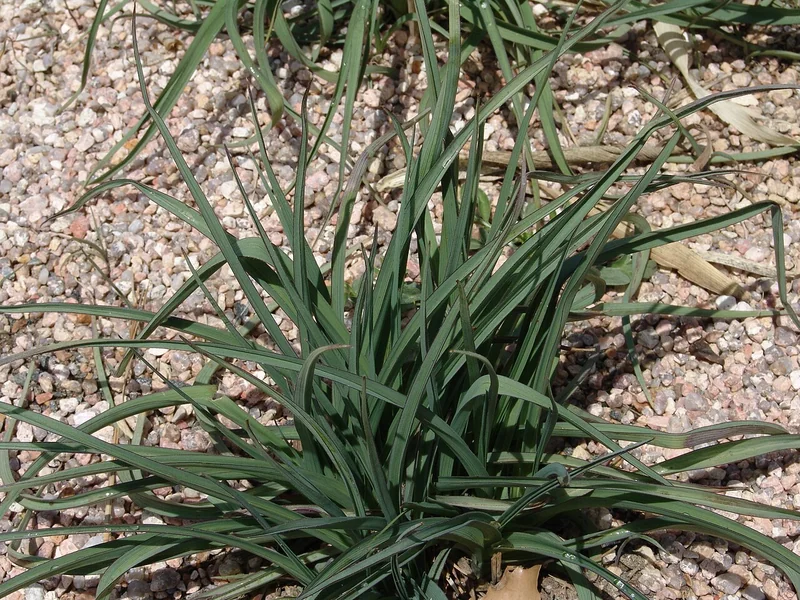 Featured phototradescantia-occidentalis.jpg
Tradescantia occidentalis, sold as Prairie Spiderwort, is a fast-growing Commelinaceae trailing herb popular for its colourful patterned leaves. A hardy North American species native to dry prairies and rocky slopes, with grass-like leaves and bright blue-purple three-petalled flowers held in clustered umbels. Tradescantia roots from stem cuttings within a week, making it one of the easiest houseplants to share or rejuvenate when growth becomes leggy.
Care facts at a glance
- Light
- Bright indirect
- Water
- Water when the top 2 cm of soil has dried.
- Humidity
- 40–60 %
- Temperature
- 13–24 °C
- Soil
- Standard houseplant mix with added perlite for drainage.
- Origin
- Tropical and subtropical regions of the Americas.
- Mature size
- Trails 30 to 90 cm; stem segments root readily.
Overview
Tradescantia occidentalis is one of about 75 Tradescantia species, all native to the Americas. A hardy North American species native to dry prairies and rocky slopes, with grass-like leaves and bright blue-purple three-petalled flowers held in clustered umbels. The genus is named for the 17th-century English plant hunter John Tradescant the Younger.
Care Priorities
- Bright indirect light keeps the colour vivid and growth compact.
- Water when the top 2 cm of soil is dry; reduce in winter.
- Pinch growing tips to encourage branching.
- Refresh leggy plants by taking cuttings — old plants get bare-stemmed by year two.
- Average humidity is fine; high humidity invites botrytis.
Common Problems
Pale or all-green foliage signals too little light. Mushy stem bases mean overwatering or botrytis from too-humid air. Grey fuzzy mould on leaves is botrytis — improve air circulation and remove affected stems.
Sources & further reading (2)
- encyclopedia — accessed 2026-04-28
- botanical-garden — accessed 2026-04-28
Frequently asked questions
Is Tradescantia occidentalis a houseplant or a garden plant?
It is primarily a hardy garden perennial, but it can be grown in a bright cool indoor spot with restrained watering. It does not tolerate the warm humid conditions most tropical Tradescantia prefer.
Why is my Tradescantia getting leggy?
Legginess is usually a light problem. Move to a brighter spot (no direct midday sun) and pinch back the leggy tips — those cuttings root in water within a week and can be replanted into the original pot.
Why is my Tradescantia losing its colour?
Tradescantia variegation fades in low light. Move the plant to bright filtered light or a few hours of direct morning sun and pinch the growing tips; new growth usually returns to full colour within a month.