Philodendron melanochrysum
Philodendron melanochrysum Care Guide
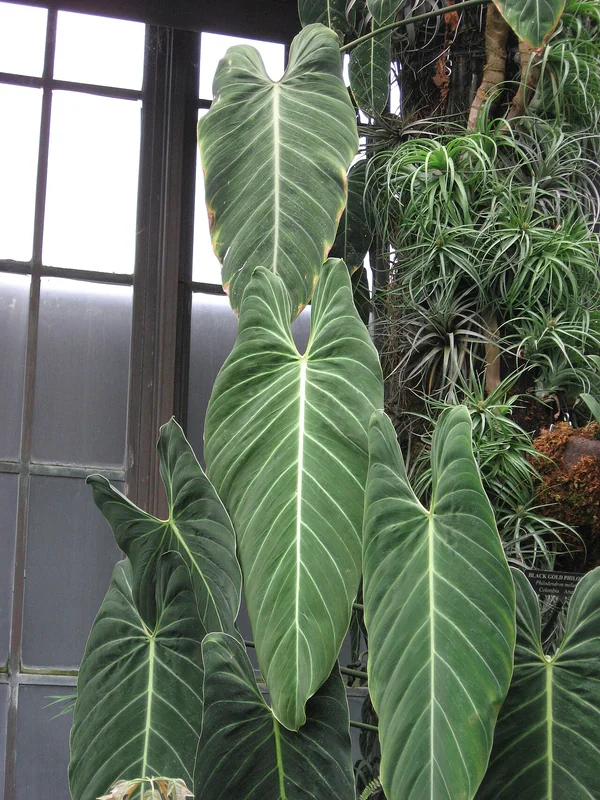 Featured photophilodendron-melanochrysum.jpg
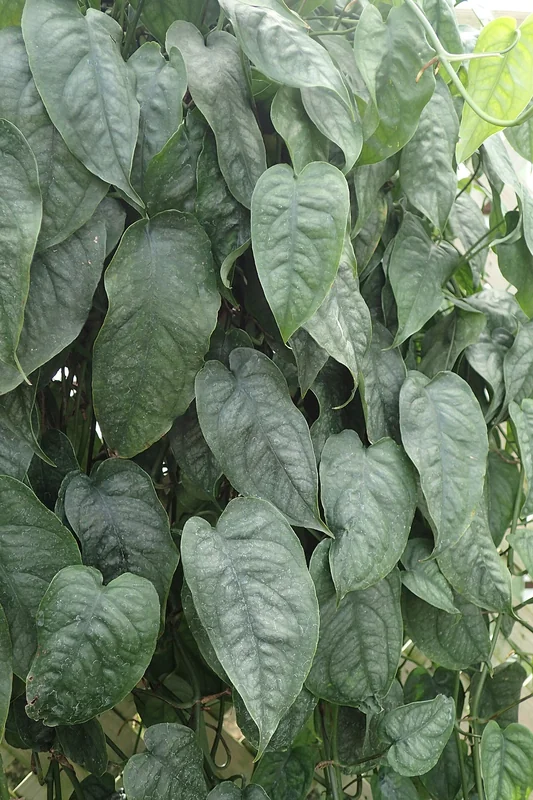
Philodendron melanochrysum, also known as the Black Gold Philodendron, is a stunning tropical plant prized for its large, velvety, dark green leaves with prominent lighter veins. It's a climbing philodendron that can add a dramatic touch to any indoor space. This guide will help you provide the right conditions for its lush growth.
Care facts at a glance
- Light
- Bright indirect
- Water
- Water when the top 1-2 inches of soil feel dry to the touch.
- Humidity
- 60–80 %
- Temperature
- 18–24 °C
- Soil
- A well-draining potting mix is essential. Use a blend of peat moss or coco coir, perlite, and orchid bark to ensure aeration and prevent sogginess.
- Origin
- Native to the rainforests of Colombia and Ecuador.
- Mature size
- Can grow up to 10-15 feet (3-4.5 meters) long as a climber.
Overview
Philodendron melanochrysum is a striking vining plant known for its luxurious, velvety leaves that are deep green with striking, pale green to yellow veins. As it matures, the leaves grow larger and develop a more elongated shape. It's a popular choice for plant enthusiasts looking for a dramatic, tropical aesthetic.
Care Priorities
Provide bright, indirect light to encourage vibrant leaf color and growth. Maintain high humidity levels, as this plant thrives in moist air. Use a well-draining soil mix and water only when the top layer of soil is dry to prevent root rot.
Common Problems
Yellowing leaves can indicate overwatering or poor drainage. Brown, crispy leaf edges often signal low humidity or inconsistent watering. Pests like spider mites and mealybugs can also be an issue if humidity is too low or the plant is stressed.
Sources & further reading (3)
- encyclopedia — accessed 2026-04-24
- dataset — accessed 2026-04-24
- botanical-garden — accessed 2024-05-15
Frequently asked questions
Why are my Philodendron melanochrysum leaves turning yellow?
Yellow leaves are often a sign of overwatering, poor drainage, or sometimes underwatering. Check the soil moisture and ensure the pot has adequate drainage holes. Inconsistent watering can also be a cause.
How can I increase humidity for my plant?
You can increase humidity by placing the plant on a pebble tray filled with water, grouping it with other plants, or using a room humidifier. Misting can provide a temporary boost but is less effective than these methods.
My Philodendron melanochrysum isn't climbing, what should I do?
Provide a moss pole or trellis for the plant to climb. As it grows, gently guide the vines onto the support. Consistent watering and adequate light will encourage upward growth.
What kind of soil is best for Philodendron melanochrysum?
This plant needs a chunky, well-aerated, and well-draining soil mix. A good combination includes peat moss or coco coir, perlite, and orchid bark.