Sempervivum montanum
Sempervivum montanum Care Guide
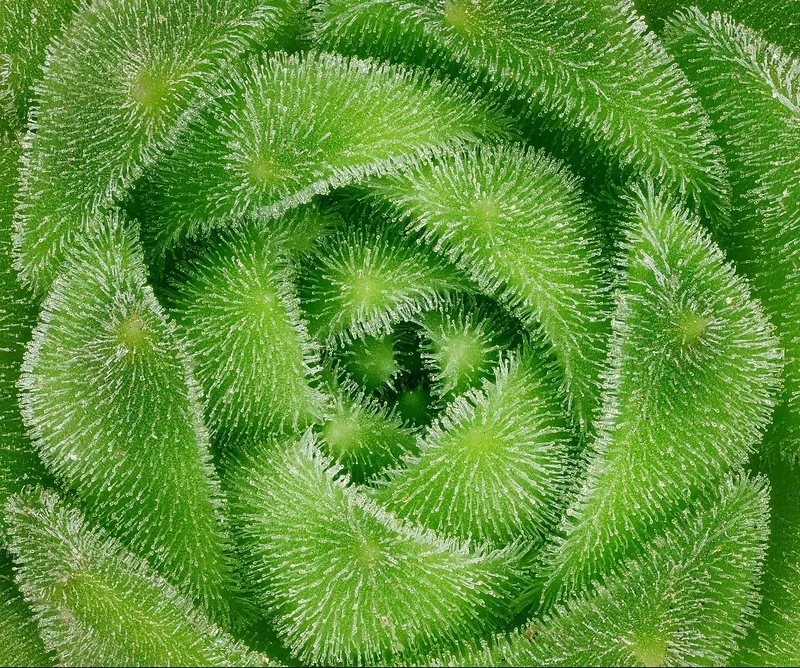 Featured photosempervivum-montanum.jpg
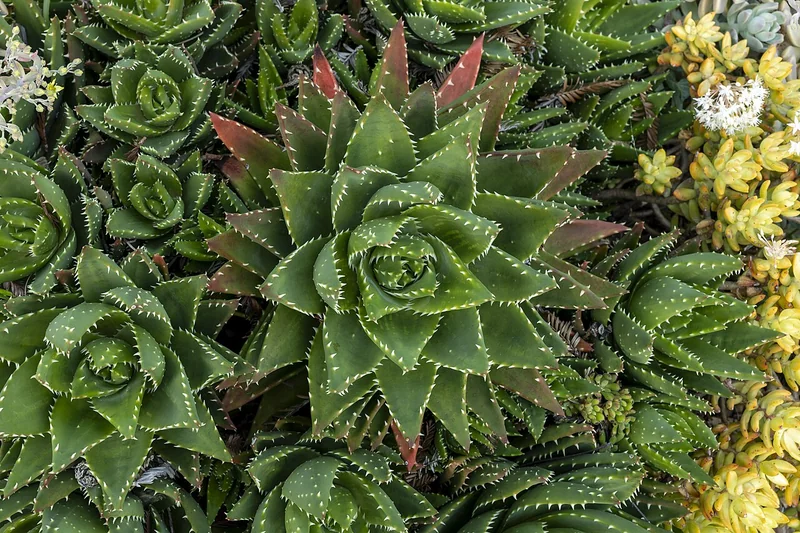
Sempervivum montanum, the mountain houseleek, is a hardy alpine succulent native to high mountain ranges across Europe, including the Alps, Pyrenees, and Carpathians. It forms compact rosettes of green to reddish-green, softly hairy leaves that spread through stolons to create attractive colonies. Deep purple-pink to magenta flowers appear in summer. It is among the hardiest succulents in the world and thrives outdoors in cold climates, but adapts well to container growing indoors.
Care facts at a glance
- Light
- Bright indirect
- Water
- Water when the soil is fully dry; extremely drought-tolerant and overwatering is the main risk.
- Humidity
- 30–60 %
- Temperature
- -25–30 °C
- Soil
- Very gritty, sharply draining mix; mix equal parts standard compost and coarse perlite or grit.
- Origin
- Alpine and subalpine habitats of the Alps, Pyrenees, Carpathians, and Balkans.
- Mature size
- 5 to 10 cm tall per rosette; colonies spread to 30+ cm.
Overview
Sempervivum montanum is one of the most cold-hardy succulents in cultivation, withstanding temperatures down to -25 °C and thriving in exposed alpine conditions. Like all sempervivums it is monocarpic — individual rosettes die after flowering — but the extensive stolons continually produce new rosettes, ensuring the colony's persistence. The name Sempervivum means 'always alive' in Latin, reflecting the plant's legendary toughness.
Care Priorities
- Full sun or very bright light is essential for compact rosettes and good colour.
- Excellent drainage is more important than soil richness — use a gritty alpine mix.
- Water only when the soil is bone dry; this species evolved in alpine habitats where rain is seasonal.
- Allow spent rosettes to remain until they are clearly dead, then remove to reveal the growing offsets beneath.
Common Problems
Stretched, floppy rosettes with long stems between leaves are a sign of insufficient light — move outdoors or to the sunniest windowsill available. Root rot from overwatering in heavy, wet soil is the primary indoor problem; always use gritty, free-draining substrate. Rust fungus (orange pustules on leaves) appears in humid conditions; improve airflow and remove affected leaves.
Sources & further reading (2)
- botanical-garden — accessed 2026-05-08
- encyclopedia — accessed 2026-05-08
Frequently asked questions
Can I grow S. montanum indoors?
Yes, but it prefers outdoor alpine conditions. Indoors it needs the sunniest windowsill, a gritty substrate, and minimal watering. Outdoors in a pot or rock garden it is considerably more vigorous.
Why is my rosette flowering and then dying?
This is natural monocarpy — each rosette flowers once then dies. The plant is not dying overall; the surrounding offset rosettes will continue growing.
How do I increase the colony?
Stolon-borne offsets can be removed once they are 1 to 2 cm across and have some root development. Plant them in the same gritty mix and they will establish quickly.