Aloe aristata
Aloe aristata Care Guide
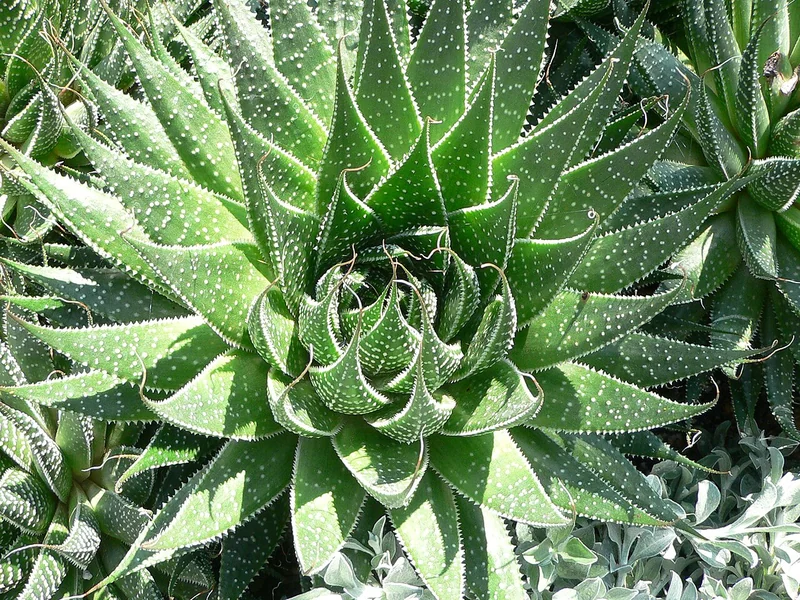 Featured photoaloe-aristata.jpg
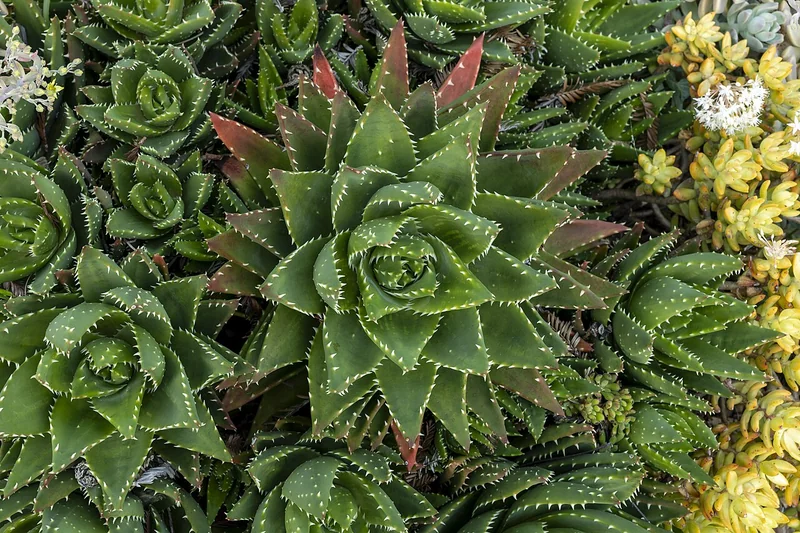
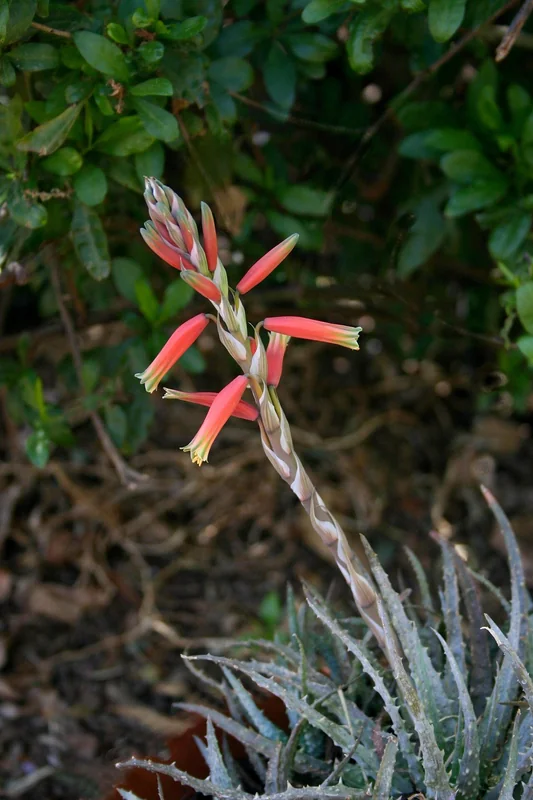
Aloe aristata, commonly called lace aloe, is a stemless, clump-forming aloe from the highlands of South Africa and Lesotho. Its dark-green leaves are covered in small white tubercles and edged with soft white teeth, giving a lace-like appearance. Unusually for an aloe, it tolerates light frost and cooler indoor temperatures. It produces tall stems of vivid orange-red tubular flowers in autumn, making it doubly attractive as both a foliage and flowering succulent.
Care facts at a glance
- Light
- Bright indirect
- Water
- Water when the soil has dried completely, roughly every 2 to 3 weeks in summer and once a month in winter.
- Humidity
- 30–60 %
- Temperature
- 2–35 °C
- Soil
- Gritty succulent mix with extra perlite; ensure excellent drainage.
- Origin
- Montane grasslands of South Africa and Lesotho.
- Mature size
- 15 to 20 cm tall; spreads to 30 cm wide through offsets; flower stems to 50 cm.
Overview
Aloe aristata is the type species of a small group of compact, highland aloes recently transferred by some taxonomists to the genus Aristaloe, though Aloe aristata remains the widely used name in cultivation. It differs from most aloes in its tolerance for cool temperatures and even brief frosts, making it a practical outdoor aloe in mild temperate climates. The white leaf markings and soft teeth distinguish it from other small aloes.
Care Priorities
- Bright, indirect to partially direct light encourages compact rosette form and reliable flowering.
- Water sparingly; root rot develops rapidly in consistently moist substrates.
- Provide cool temperatures in winter (5 to 10 °C) to promote spring and autumn flowering.
- Remove offsets periodically to prevent the clump from becoming too crowded.
Common Problems
Leaves turning brown or papery at the tips are usually caused by underwatering or very dry indoor air — both easy to address. Mushy leaves or a collapsing rosette indicate basal stem rot from overwatering; remove the plant, trim all soft tissue to healthy growth, and replant in bone-dry substrate. Aloe mites cause gall-like deformations on new growth; there is no reliable cure, so affected rosettes should be removed.
Sources & further reading (2)
- botanical-garden — accessed 2026-05-08
- encyclopedia — accessed 2026-05-08
Frequently asked questions
Will lace aloe flower indoors?
Yes — with adequate light and a cool winter rest period, it typically flowers in autumn or spring on slender stems 30 to 50 cm tall with coral-orange tubular blooms.
How cold can A. aristata tolerate?
It can handle brief periods down to -2 to -4 °C if the soil is kept dry, making it one of the most cold-hardy aloes available for containers.
Should I deadhead the flower stems?
Once flowers have finished, cut the stem at the base to redirect energy to the rosette and offsets.