Pothos scandens
Pothos scandens Care Guide
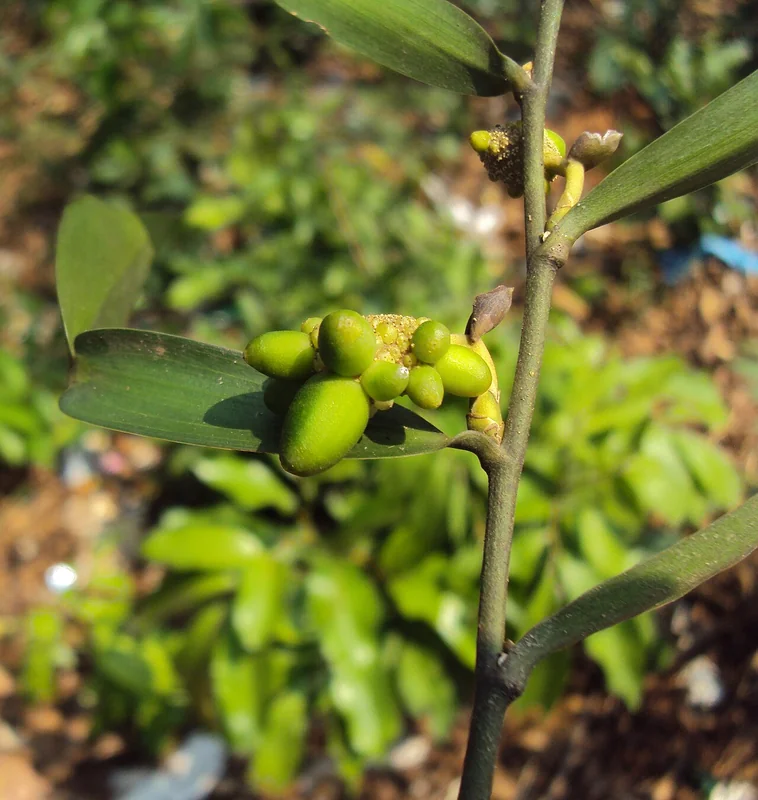 Featured photopothos-scandens.jpg
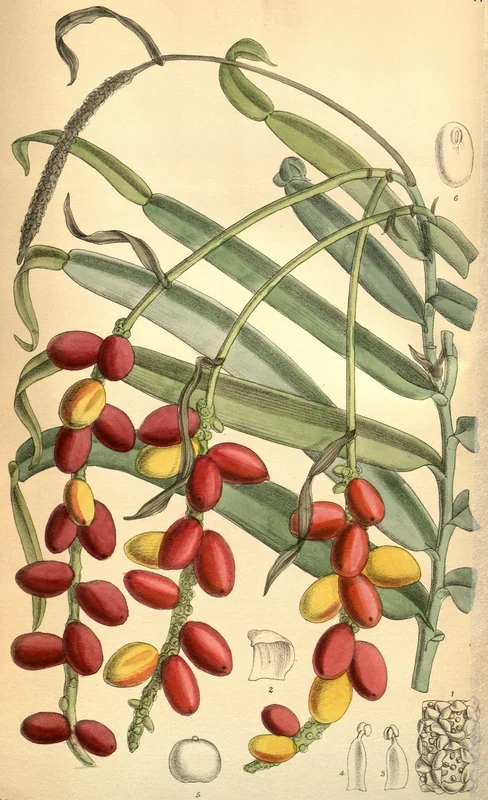
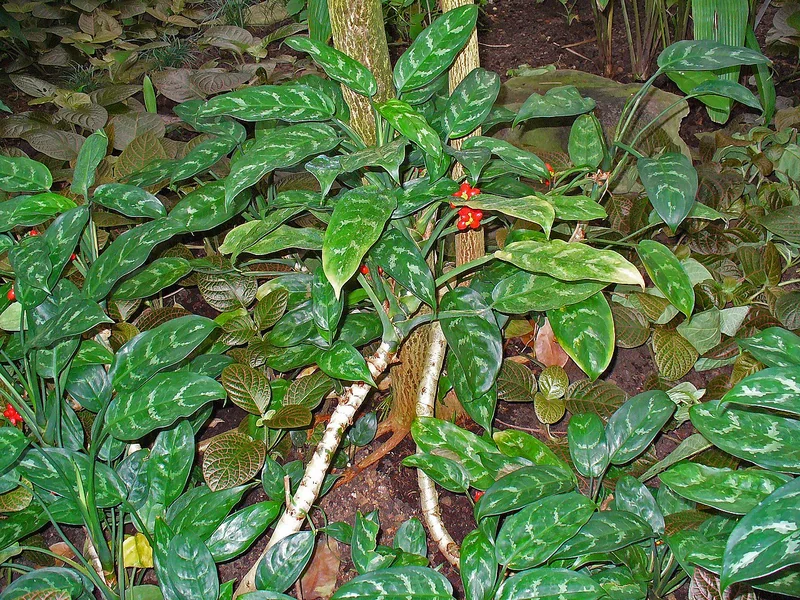
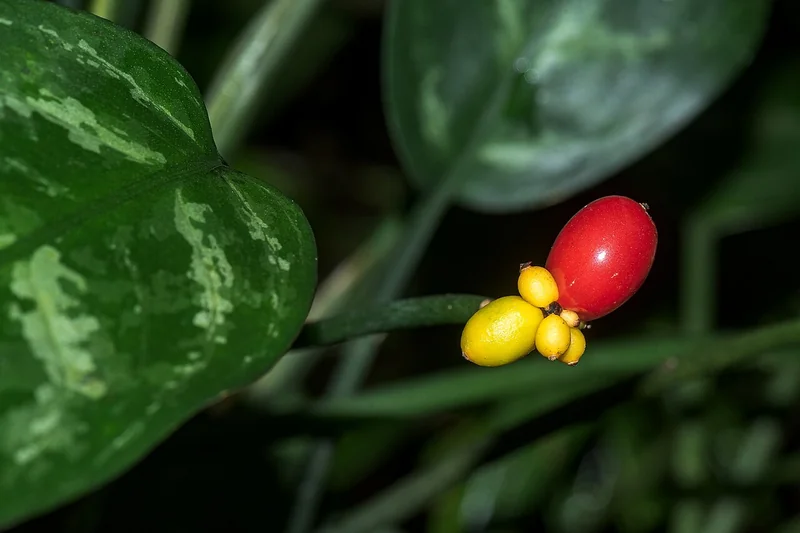
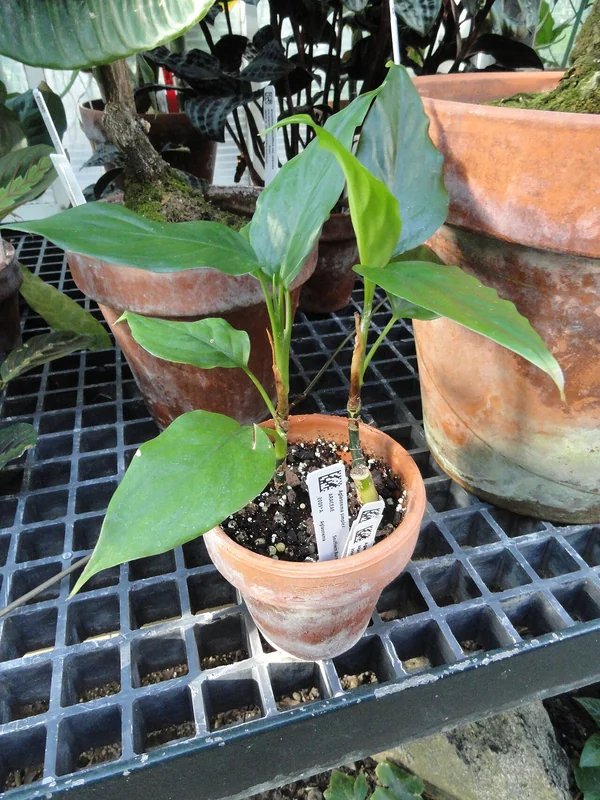
Pothos scandens is a robust, fast-climbing aroid from Southeast Asia that has long circulated in the trade under various synonyms and trade names. It produces elongated, ovate, deep-green to yellow-green leaves with a leathery texture, and can grow remarkably long trailing or climbing stems. While less well-known than Epipremnum aureum, it is equally adaptable and tolerates low light, irregular watering, and average humidity with ease.
Care facts at a glance
- Light
- Low light
- Water
- Water when the top 3–5 cm of potting mix has dried, approximately every 7 to 14 days.
- Humidity
- 30–70 %
- Temperature
- 15–32 °C
- Soil
- Standard well-draining potting mix; tolerates a wide range of soil types.
- Origin
- Tropical forests of Southeast Asia, from India through to the Philippines.
- Mature size
- Stems can reach 3–5 m in length; leaves 10–20 cm long.
Overview
Pothos scandens L. is the type species of the genus Pothos, described by Linnaeus in 1753, making it one of the earliest aroids to enter botanical literature. It should not be confused with Epipremnum aureum and its cultivars, which are commonly called 'pothos' in the trade — true Pothos species have a distinctly different inflorescence structure with a flat, paddle-shaped spadix rather than the cylindrical spadix of Epipremnum. Despite this nomenclatural confusion, both are excellent foliage houseplants with overlapping care requirements.
Care Priorities
- It is one of the most low-light-tolerant climbing aroids available — viable in hallways, bathrooms, and offices with only indirect window light.
- Provide a moss pole or trellis to encourage the climbing growth habit; stems given vertical support produce progressively larger leaves.
- Prune long stems in spring to maintain a bushy shape; cut sections root easily in water or moist medium.
- Avoid sudden temperature drops below 12 °C, which cause yellowing and leaf drop.
Common Problems
Yellowing lower leaves followed by a saturated, malodorous medium indicates root rot; check drainage and repot into fresh compost. Pale, washed-out leaves combined with slow growth indicate too little fertiliser or light — move closer to a window and resume monthly feeding. Leggy, widely spaced leaves on elongated internodes signal inadequate light; the plant stretches toward any available source. Spider mites appear under dry, warm conditions; maintain some humidity and wipe leaves regularly.
Sources & further reading (2)
- botanical-garden — accessed 2026-05-27
- encyclopedia — accessed 2026-05-27
Frequently asked questions
Is this the same as Epipremnum (golden pothos)?
No — they belong to different genera. Pothos scandens is a true Pothos with a flat, leaf-like spadix. Golden pothos (Epipremnum aureum) is unrelated despite sharing the common name. Both are easy-care climbing aroids but are taxonomically distinct.
How do I encourage larger leaves?
Attach stems to a moss pole or rough-textured board and allow the aerial roots to grip. As the plant climbs, it perceives upward progress as reaching the forest canopy and produces progressively larger, more mature leaves — a phenomenon called ontogenetic leaf change.
Can I grow it in water long-term?
Yes, for many months. Place stem cuttings in a vase of water changed weekly, add a diluted liquid fertilizer monthly, and stems will continue to grow and produce new leaves. Long-term water culture works well for lower-light positions.