Pothos repens
Pothos repens Care Guide
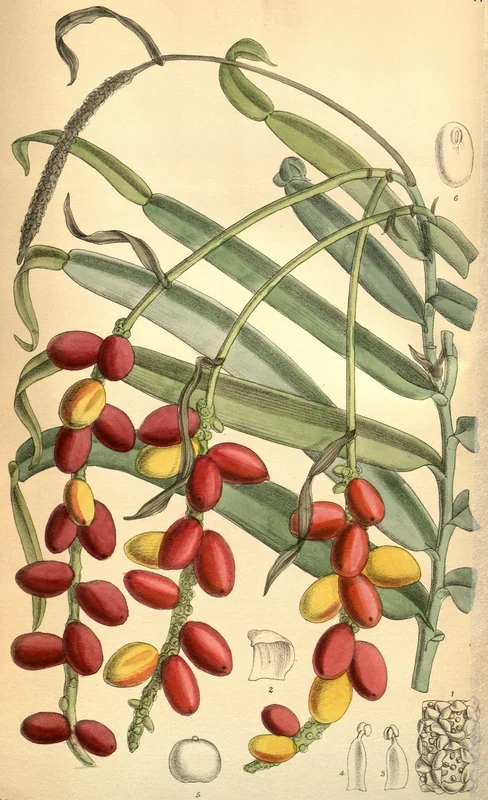 Featured photopothos-repens.jpg
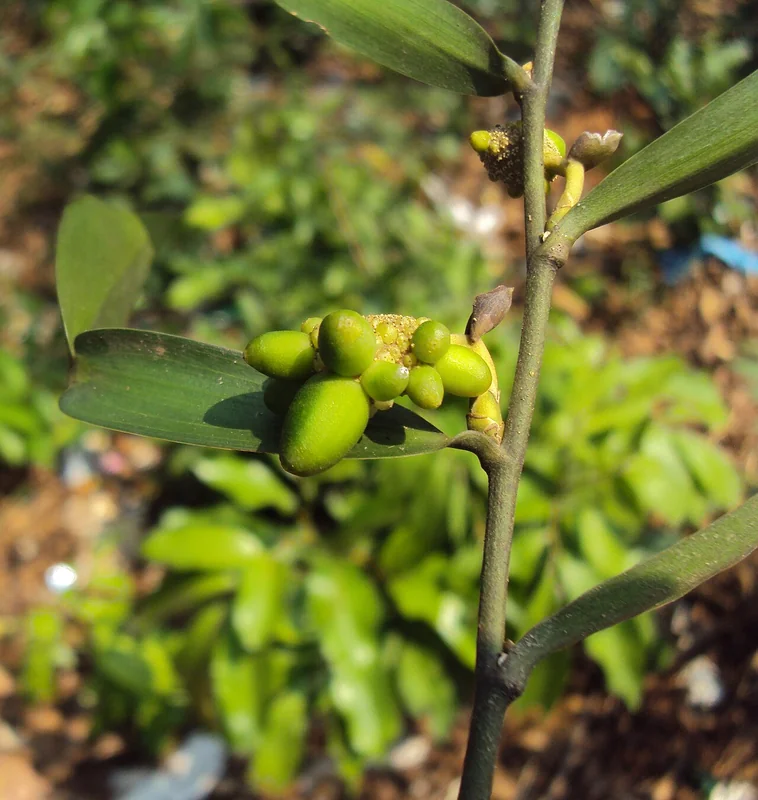
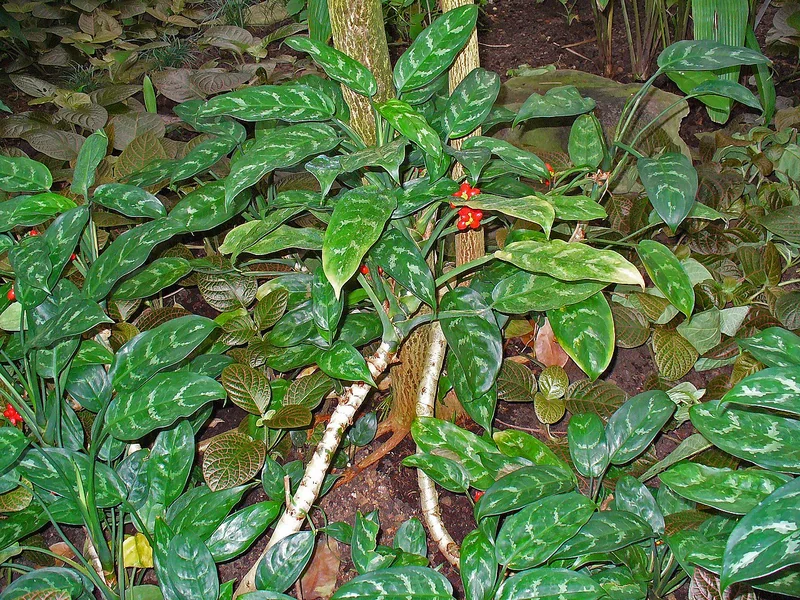
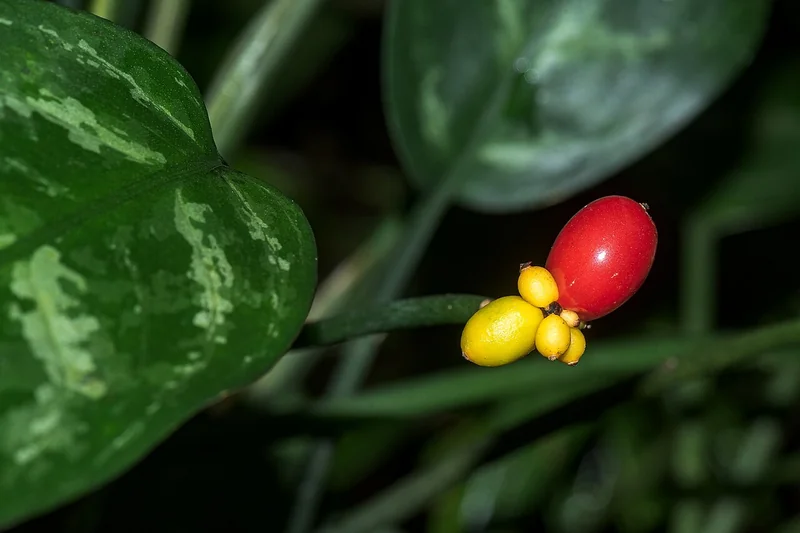
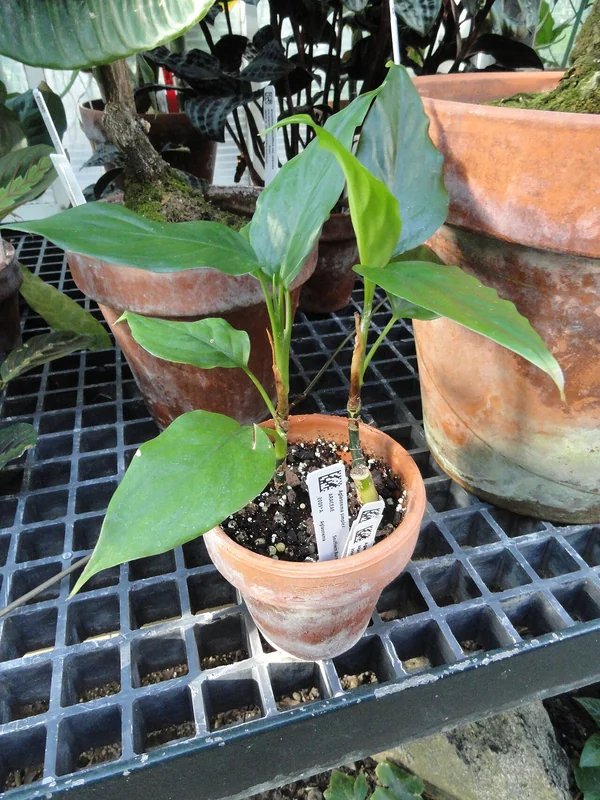
Pothos repens is a creeping and climbing aroid native to tropical Southeast Asia, producing small, oval, bright-to-dark-green leaves with a waxy sheen on slender, flexible stems. It performs best as a trailing plant from a high shelf or as a low groundcover in terrariums. Its adaptability to low light and its compact leaf size make it useful in situations where the large leaves of Epipremnum cultivars would be out of scale.
Care facts at a glance
- Light
- Low light
- Water
- Water when the top 2–3 cm of medium has dried; approximately every 7 to 10 days.
- Humidity
- 40–70 %
- Temperature
- 15–32 °C
- Soil
- Standard well-draining potting mix; lightweight mix with added perlite is ideal.
- Origin
- Tropical forests of Southeast Asia and South Asia.
- Mature size
- Trailing stems to 1.5 m; leaves 4–8 cm long.
Overview
Pothos repens was described by Loureiro in 1790 and is one of several low-growing Pothos species that rarely appear in mainstream cultivation despite being attractive and easy to grow. Unlike the large-leafed climbing aroids, it stays compact and produces a fine-textured trailing display. The waxy leaf coating reduces moisture loss, contributing to its tolerance of lower humidity environments. It is often found growing on the forest floor in its native habitat, creeping over rocks, logs, and leaf litter.
Care Priorities
- Excellent as a trailing plant from elevated shelves or as a terrarium groundcover — its small leaf size suits enclosed plantings well.
- Tolerates low light, though growth slows significantly; best growth in medium indirect light.
- Prune regularly to keep the plant full and bushy; cuttings root easily in water within 2 weeks.
- Repot only when roots begin to circle the pot base; it is more comfortable slightly root-bound.
Common Problems
Pale, yellowing leaves often indicate too much direct light or a nutrient deficiency — feed monthly and move away from direct sun. Root rot develops rapidly in poorly draining pots; always use containers with drainage holes. Leggy stems with widely spaced leaves are a response to low light; move to a brighter position or trim back hard to encourage denser growth. Spider mites colonise in dry, warm conditions — increase ambient humidity slightly.
Sources & further reading (2)
- botanical-garden — accessed 2026-05-27
- encyclopedia — accessed 2026-05-27
Frequently asked questions
How does it differ from Epipremnum aureum (golden pothos)?
Pothos repens has significantly smaller leaves (4–8 cm vs 15–30 cm), a more creeping habit, and stays more compact. It belongs to the genus Pothos (Linnaean, 1753) while golden pothos is Epipremnum aureum — two different genera that share only the common name 'pothos' due to historical confusion.
Can it grow as a groundcover under other plants?
Yes — it is well suited to covering the soil surface in large planters with taller specimens, creating a living mulch effect. It tolerates the light shade cast by overhead plants and stays relatively non-competitive.
How do I propagate it?
Cut stems with at least two nodes, remove the lower leaf, and place in water or moist perlite. Roots typically emerge within 10–14 days. Pot up into regular potting mix once roots are 2–3 cm long.