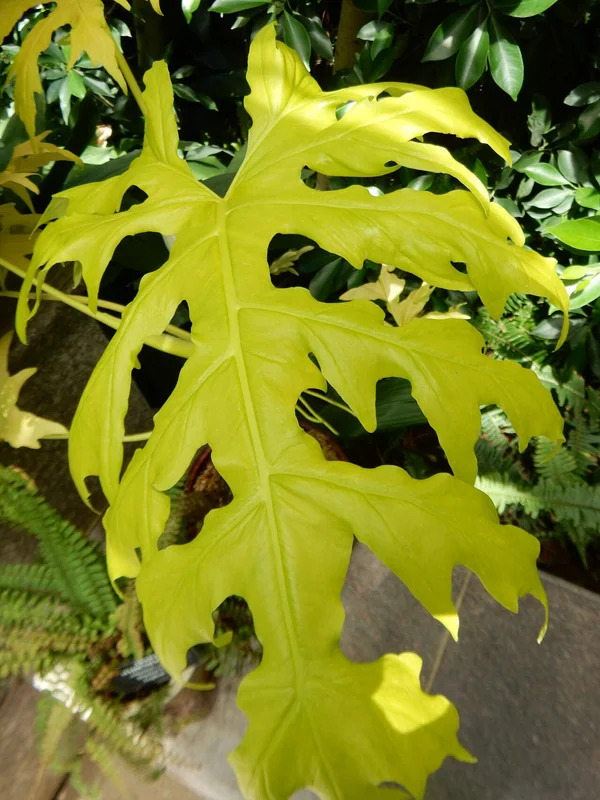
The Philodendron warszewiczii is a striking aroid known for its deeply lobed, bright green leaves. Native to Central America, it thrives in conditions mimicking its tropical home: bright indirect light, consistent moisture, and high humidity. This guide will help you keep your plant healthy and vibrant, avoiding common issues like root rot and pest infestations.
Care facts at a glance
- Light
- Bright indirect
- Water
- Water when the top 1-2 inches of soil feel dry to the touch, ensuring the pot has good drainage.
- Humidity
- 60–80 %
- Temperature
- 18–29 °C
- Soil
- Use a well-draining, airy aroid mix. A good blend includes peat moss or coco coir, perlite, and orchid bark to provide aeration and prevent compaction.
- Origin
- Native to the tropical rainforests of Central America, including Mexico, Belize, Guatemala, Honduras, Nicaragua, Costa Rica, and Panama.
- Mature size
- Indoors, it typically grows 3 to 6 feet (0.9 to 1.8 meters) tall, with a similar spread, though it can be larger in ideal conditions.
Overview
The Philodendron warszewiczii is a stunning tropical plant known for its deeply lobed, almost skeletal-looking leaves that emerge bright green. Hailing from the humid rainforests of Central America, this aroid brings a touch of the exotic to any indoor space. Its unique foliage makes it a captivating specimen for plant enthusiasts.
Care Priorities
To keep your Philodendron warszewiczii happy, focus on providing bright indirect light and high humidity. Ensure the soil dries out slightly between waterings to prevent root rot, and use a well-draining potting mix. Regular feeding during the growing season will support its lush foliage.
Common Problems
Overwatering is the most common issue, leading to root rot and yellowing leaves. Insufficient humidity can cause crispy leaf edges. Watch out for common houseplant pests like spider mites and mealybugs, especially if humidity is low. Address issues promptly to maintain plant health.
Sources & further reading (3)
- encyclopedia — accessed 2026-04-24
- dataset — accessed 2026-04-24
- botanical-garden — accessed 2024-07-30
Frequently asked questions
Why are my Philodendron warszewiczii leaves turning yellow?
Yellowing leaves often indicate overwatering, leading to root rot. It can also be a sign of underwatering or nutrient deficiency. Check your soil moisture and watering schedule first.
How can I increase humidity for my Philodendron warszewiczii?
You can increase humidity by placing the plant near a humidifier, grouping it with other plants, or using a pebble tray with water. Misting can offer temporary relief but is less effective long-term.
Is Philodendron warszewiczii a climbing plant?
Yes, like many philodendrons, P. warszewiczii is a hemiepiphyte, meaning it can start on the ground and climb trees in its natural habitat. Providing a moss pole or trellis can encourage larger leaf growth indoors.
What kind of light is best for Philodendron warszewiczii?
Bright indirect light is ideal. This means a spot near a window that receives plenty of light but is shielded from direct sun rays, which can scorch the leaves.