Ficus altissima
Ficus altissima (Council Tree) Care Guide
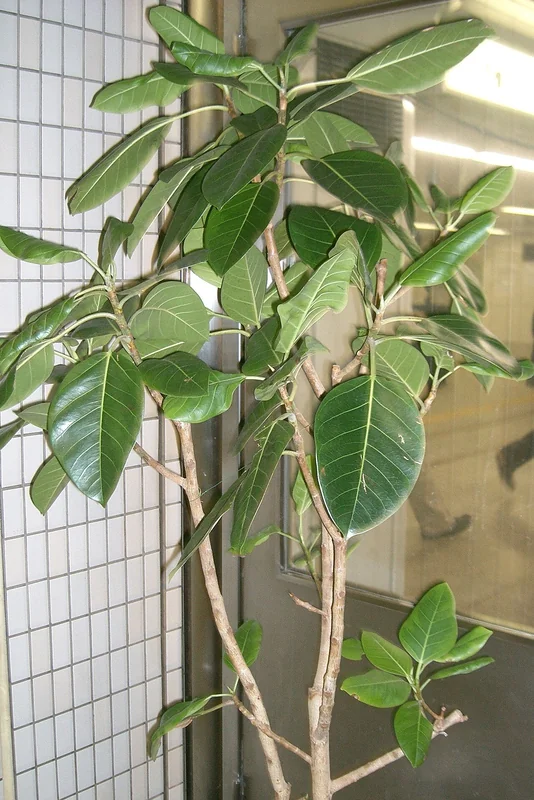 Featured photoficus-altissima.jpg
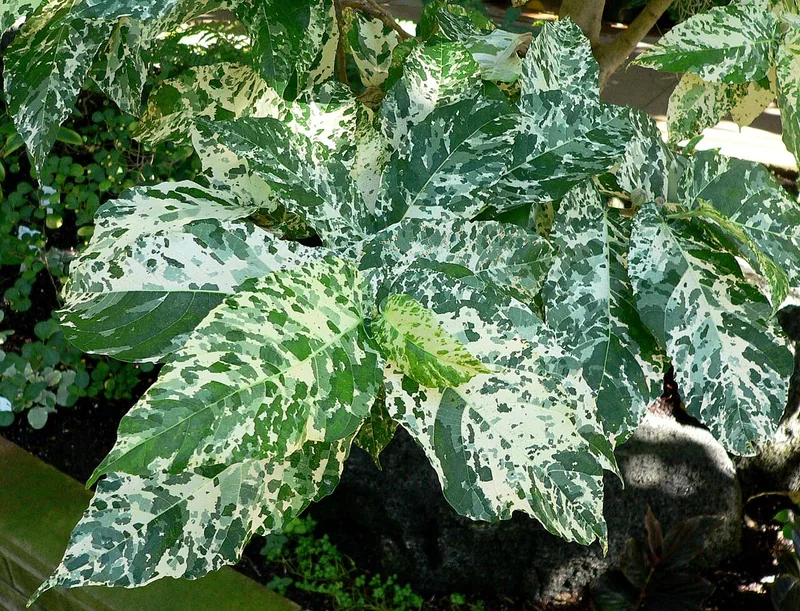
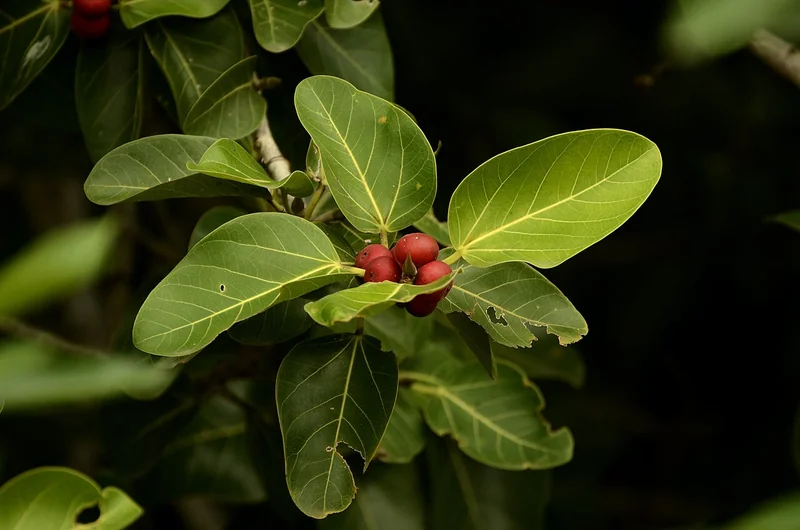
Ficus altissima, sold as Council Tree, is a member of *Ficus*, a tropical and subtropical genus of about 850 species in Moraceae. A south-east Asian banyan-type Ficus with very large rounded glossy green leaves and prominent pale-yellow leaf veins. The 'Yellow Gem' cultivar with cream-yellow variegation is widely traded indoors. Most cultivated Ficus tolerate bright filtered light and even moisture, and respond to sudden changes in light or watering with sometimes-dramatic leaf drop — settle the plant in one stable spot for best results.
Care facts at a glance
- Light
- Bright indirect
- Water
- Water when the top 3 cm of mix has dried.
- Humidity
- 40–60 %
- Temperature
- 16–27 °C
- Soil
- Free-draining loamy mix with extra perlite for aeration.
- Origin
- Tropical and subtropical regions worldwide; specific origins vary by species.
- Mature size
- 1 to 3 m tall in cultivation depending on species; much larger in habitat.
Overview
Ficus altissima sits in Ficus, one of the largest plant genera and the source of fig fruits, banyan-style stranglers, and most popular indoor trees. A south-east Asian banyan-type Ficus with very large rounded glossy green leaves and prominent pale-yellow leaf veins. The 'Yellow Gem' cultivar with cream-yellow variegation is widely traded indoors. All Ficus produce a milky white latex when stems or leaves are cut — the latex is genus-typical and stains both clothing and skin if rubbed in.
Care Priorities
- Bright filtered light keeps growth vigorous.
- Even moisture; let the top 3 cm dry between waterings.
- Avoid sudden moves or temperature swings — Ficus drops leaves dramatically after stress.
- Wipe leaves monthly to keep stomata clear and check for spider mites.
Common Problems
Sudden leaf drop after a move or temperature change is the species' classic stress response — new leaves emerge once conditions stabilise. Brown leaf edges signal dry air. Sticky residue on lower leaves indicates scale or mealybug infestation on the stems above.
Sources & further reading (2)
- encyclopedia — accessed 2026-04-29
- botanical-garden — accessed 2026-04-29
Frequently asked questions
How big does F. altissima get indoors?
F. altissima reaches 2 to 3 m tall in pot cultivation; in habitat it grows into a massive 30 m banyan with multiple aerial-root trunks. Indoor specimens stay manageable in a single trunk form thanks to pot constraints, but require space and bright light to thrive.
Why does my Ficus drop leaves after I move it?
Ficus is famously sensitive to changes in light, watering, or temperature, and drops a flush of leaves as a stress response. Settle the plant in one bright stable spot, water consistently, and new leaves typically emerge within a month. Resist the urge to move the plant again during recovery.
How do I propagate a Ficus?
Ficus root readily from stem cuttings or by air-layering. Take a cutting with at least three nodes, dip the cut end in rooting hormone, and pot in moist propagation mix. Air-layering produces larger rooted specimens but takes longer (2 to 3 months) before the new root system is ready to sever from the parent.