Philodendron plowmanii
Philodendron plowmanii Care Guide
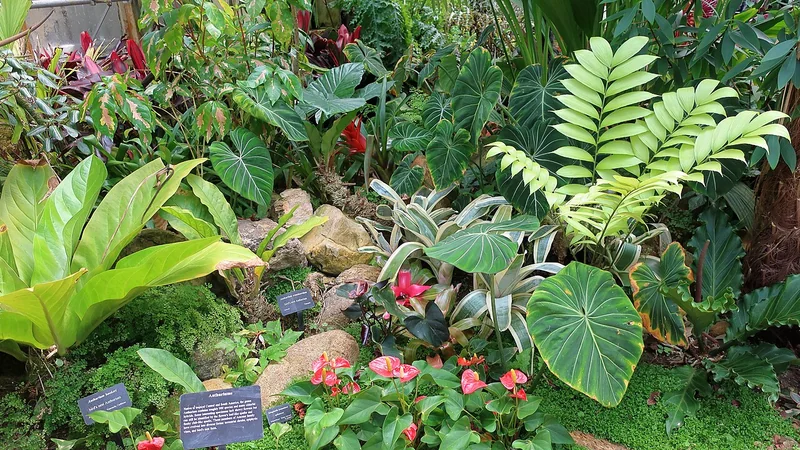 Featured photophilodendron-plowmanii.jpg
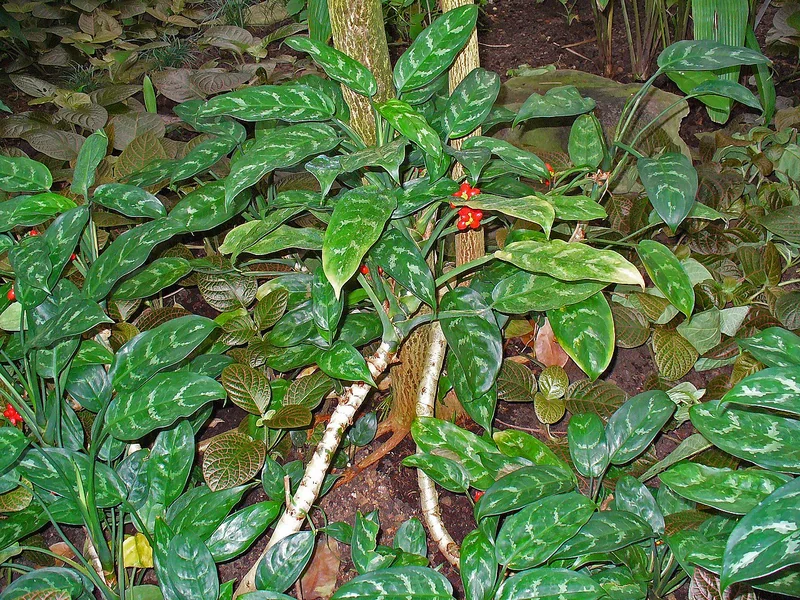
Philodendron plowmanii is a terrestrial creeping philodendron from Peru and Ecuador that grows horizontally along the forest floor rather than climbing. Its broad, heart-shaped to ovate leaves are silver-green with a distinctive ruffled or undulate margin and prominent pale venation. The slow horizontal growth habit and attractive leaf pattern have made it popular among collectors who want a philodendron that spreads on a shelf rather than climbing a pole.
Care facts at a glance
- Light
- Bright indirect
- Water
- Water when the top 3 to 4 cm of soil has dried; do not allow roots to sit in standing water.
- Humidity
- 60–80 %
- Temperature
- 18–30 °C
- Soil
- Rich, well-draining aroid mix with organic matter and perlite.
- Origin
- Humid lowland forests of Peru and Ecuador.
- Mature size
- 30 to 60 cm tall; spreads horizontally; leaves 30 to 50 cm.
Overview
Philodendron plowmanii was described by Thomas Croat. Unlike the many climbing philodendrons popular in cultivation, plowmanii is a true terrestrial creeper — it extends a horizontal rhizome bearing leaves at regular intervals. The ruffled leaf margins are a distinctive feature, caused by slight waviness along the edges and undersurface veins. It grows well in wide, shallow pots that give the creeping stem room to extend.
Care Priorities
- Use a wide, shallow container that allows the horizontal creeping stem to extend without being cramped.
- Maintain moderate to high humidity; the ruffled margins are sensitive to dry air.
- Bright, indirect light from the side or above encourages even leaf production.
- Feed lightly but regularly; over-fertilising causes salt burn on the root tips.
Common Problems
New leaves emerging smaller than expected typically indicates the plant needs more light or a larger pot with fresh substrate. Yellowing combined with soft, dark stem tissue points to root rot from overwatering. Fungus gnats thrive in the moist, organically rich substrate preferred by this species — yellow sticky traps and reducing surface moisture controls populations.
Sources & further reading (2)
- botanical-garden — accessed 2026-05-08
- encyclopedia — accessed 2026-05-08
Frequently asked questions
Does it need a moss pole?
No — it is a creeping, terrestrial species. A wide, shallow pot or a hanging basket where the stem can trail is the preferred setup.
Why are my leaves yellowing from the base of the stem?
Older leaves naturally yellow and drop as the stem extends and pushes new growth from the tip. Rapid yellowing of young leaves is a sign of overwatering or nutrient deficiency.
Is the silver leaf colour permanent?
Yes — the silver-green tone is a genetic trait, though the intensity depends on light levels. Moderate indirect light produces the best silver sheen.