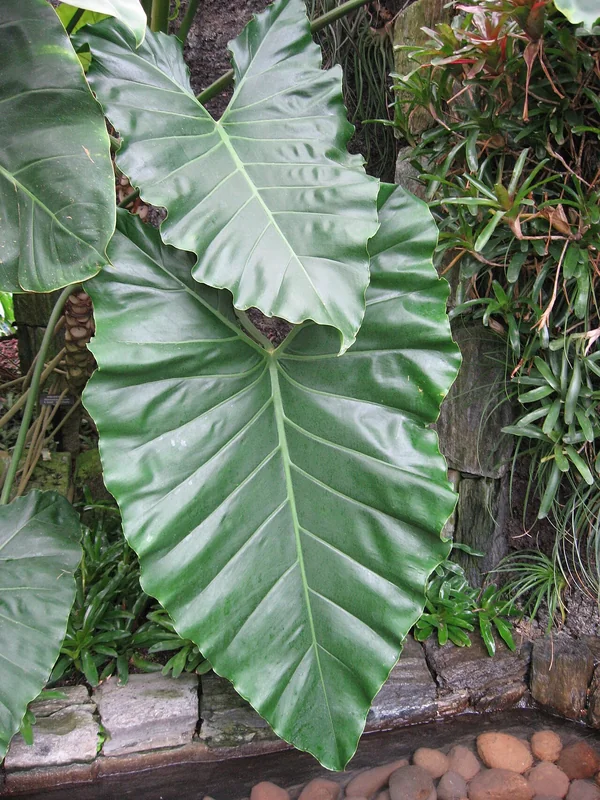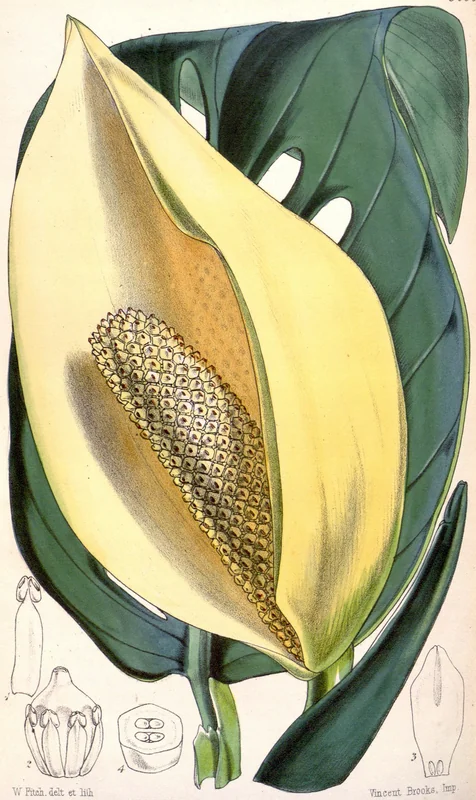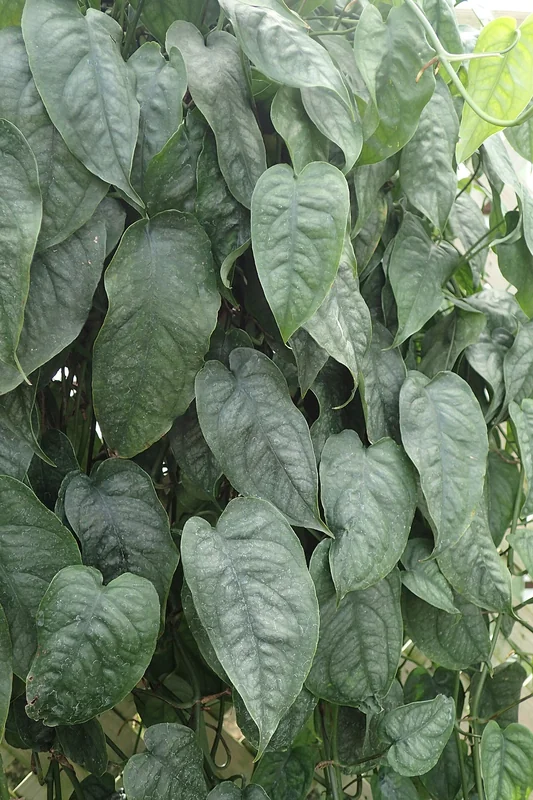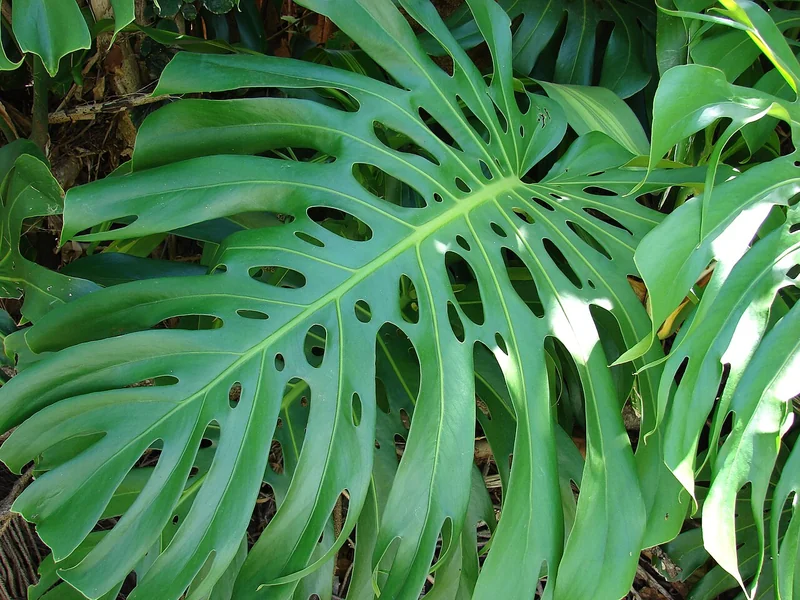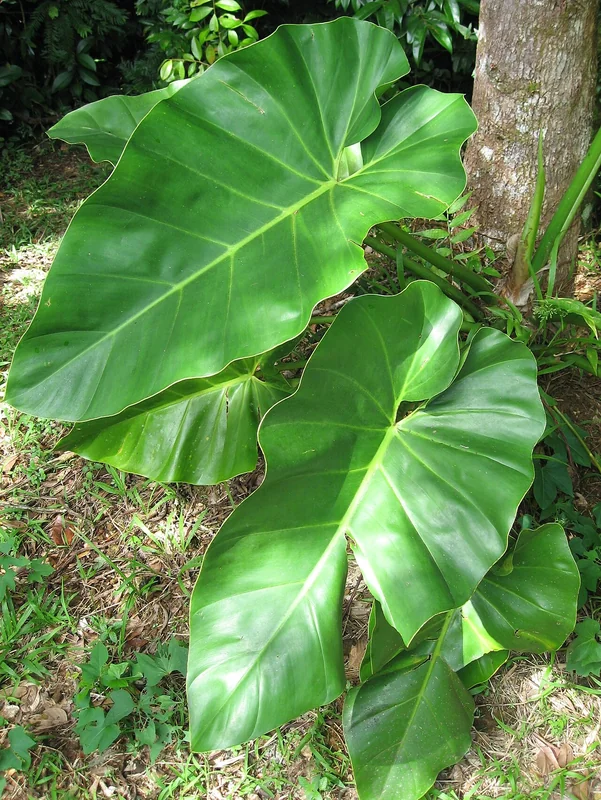
Philodendron giganteum is a stunning tropical plant known for its enormous, glossy, heart-shaped leaves. It's a popular choice for plant enthusiasts looking to add a dramatic, jungle-like feel to their indoor spaces. This guide will walk you through the essential care steps to keep your giganteum thriving.
Care facts at a glance
- Light
- Bright indirect
- Water
- Water when the top 1-2 inches of soil feel dry to the touch.
- Humidity
- 50–70 %
- Temperature
- 18–27 °C
- Soil
- Use a well-draining potting mix that includes components like peat moss, perlite, and orchid bark to ensure good aeration and moisture retention.
- Origin
- Native to the tropical rainforests of the Caribbean, particularly Puerto Rico and the Virgin Islands.
- Mature size
- Can reach up to 10-15 feet (3-4.5 meters) tall and wide in ideal conditions, often grown as a climber.
Overview
The Philodendron giganteum is a spectacular aroid prized for its exceptionally large, glossy, heart-shaped leaves that can grow to impressive sizes. It's a relatively easy-to-care-for plant that adds a bold, tropical statement to any indoor environment. With the right conditions, it can become a magnificent focal point in your collection.
Care Priorities
Provide bright, indirect light to encourage lush growth without scorching the leaves. Maintain consistent moisture, allowing the soil to dry slightly between waterings, and ensure high humidity levels. Use a well-draining soil mix and feed regularly during the growing season.
Common Problems
Yellowing leaves can indicate overwatering or underwatering. Brown, crispy leaf edges often signal low humidity or inconsistent watering. Pests like spider mites and mealybugs can be managed with insecticidal soap or neem oil. Root rot is a risk if the plant is kept too wet.
Sources & further reading (3)
- encyclopedia — accessed 2026-04-24
- dataset — accessed 2026-04-24
- botanical-garden — accessed 2026-04-24
Frequently asked questions
How big do the leaves of Philodendron giganteum get?
In optimal conditions, the leaves can reach lengths of 2-3 feet (60-90 cm) or even larger.
Does Philodendron giganteum need a support to climb?
Yes, as a natural climber, it benefits greatly from a moss pole, trellis, or other support structure to encourage larger leaf growth and a more upright form.
Why are my Philodendron giganteum leaves turning yellow?
Yellowing leaves are often a sign of overwatering, underwatering, or nutrient deficiency. Check the soil moisture and adjust your watering schedule accordingly. If the soil is consistently wet, it may indicate root rot.
Can I grow Philodendron giganteum in low light?
While it can tolerate lower light conditions, Philodendron giganteum thrives and produces its largest leaves in bright, indirect light. Low light may result in smaller leaves and slower growth.