Ficus benjamina
Weeping Fig Care Guide: Ficus benjamina
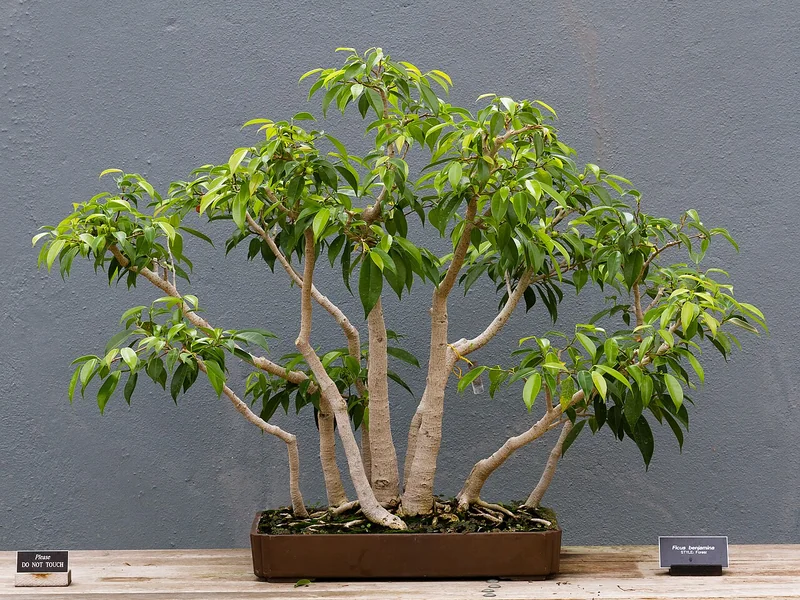 Featured photoficus-benjamina.jpg
The Weeping Fig (Ficus benjamina) is a popular indoor tree known for its graceful, arching branches and glossy leaves. It can grow quite large, making it a striking houseplant. While beautiful, it's also known for being sensitive to environmental changes, often reacting with leaf drop. Consistent care is key to its health and longevity indoors.
Care facts at a glance
- Light
- Bright indirect
- Water
- Water thoroughly when the top 1-2 inches (2.5-5 cm) of soil feel dry to the touch.
- Humidity
- 50–70 %
- Temperature
- 18–29 °C
- Soil
- A well-draining, peat-based potting mix is ideal for Ficus benjamina. Good aeration is important to prevent waterlogging and promote healthy root growth.
- Origin
- Native to tropical and subtropical regions of Asia and Australia, where it grows as a large tree.
- Mature size
- Indoors, it typically grows 6-10 feet (1.8-3 meters) tall, though it can be pruned to maintain a smaller size.
Overview
The Weeping Fig (Ficus benjamina) is a popular indoor tree known for its graceful, arching branches and glossy, oval leaves. It can grow quite large indoors, making it a striking focal point in a bright room. While beautiful, it's also known for being a bit particular about its environment, often reacting to stress by dropping leaves.
Care Priorities
- Consistent Environment: Avoid moving the plant frequently or exposing it to drafts, as this can cause leaf drop.
- Bright, Indirect Light: Place it where it gets plenty of light but is shielded from harsh direct sun.
- Stable Watering: Water when the top soil is dry, but don't let it sit in soggy conditions.
- High Humidity: Prefers higher humidity, especially in dry indoor environments.
Common Problems
The most common issue with Ficus benjamina is leaf drop, often caused by sudden changes in light, temperature, or watering. Overwatering can lead to root rot, while underwatering can also cause leaves to yellow and fall. Pests like spider mites, mealybugs, and scale insects can also cause leaf discoloration and defoliation if not addressed promptly.
Sources & further reading (4)
- encyclopedia — accessed 2026-04-24
- dataset — accessed 2026-04-24
- botanical-garden — accessed 2024-07-30
- botanical-garden — accessed 2024-07-30
Frequently asked questions
Why is my Weeping Fig dropping leaves?
Leaf drop is often a sign of stress. Common causes include sudden changes in light, temperature, watering schedule, or drafts. Try to keep its environment consistent to minimize stress.
How much light does a Weeping Fig need?
It thrives in bright, indirect light. Direct afternoon sun can scorch its leaves, while too little light can lead to sparse growth and continued leaf drop.
How often should I water my Weeping Fig?
Water when the top 1-2 inches of soil feel dry to the touch. Ensure the pot has good drainage, and avoid letting the plant sit in standing water, which can cause root rot.
Can I prune my Weeping Fig?
Yes, you can prune your Weeping Fig to control its size and shape, or to remove dead or damaged branches. The best time to prune is in late winter or early spring before new growth begins.