Philodendron elegans
Philodendron elegans Care Guide: Velvet Leaf Aroid
 Featured photophilodendron-elegans.jpg
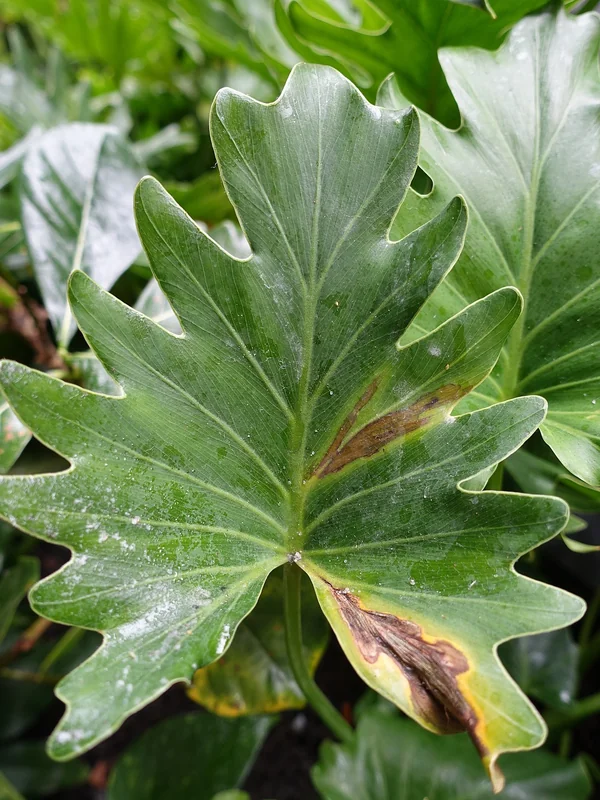
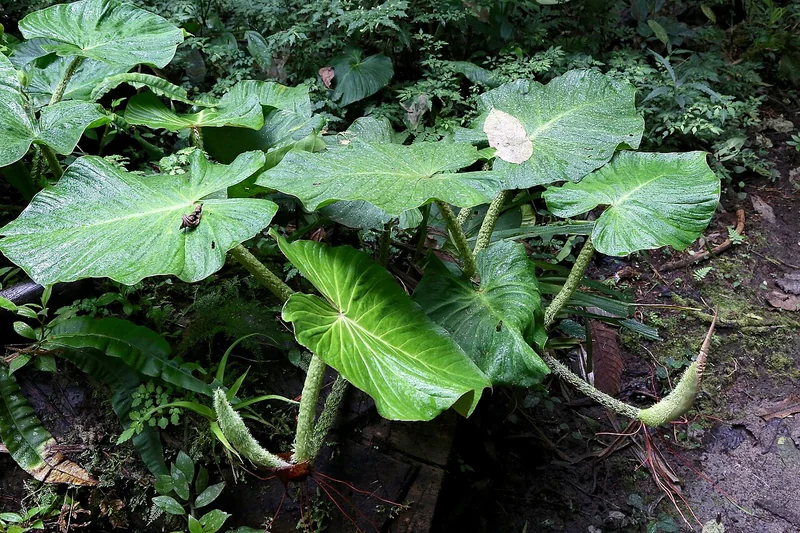
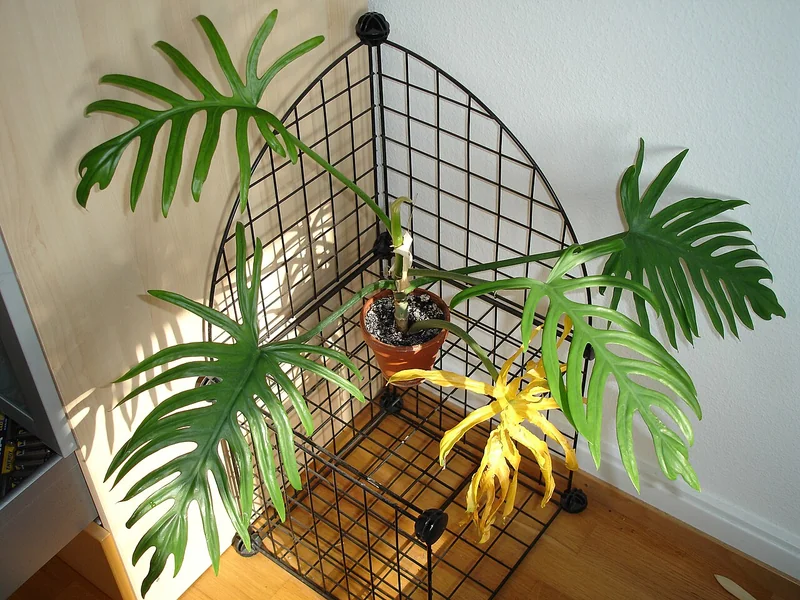
Philodendron elegans, a striking member of the Araceae family, is known for its deeply lobed, velvety leaves. This aroid is a popular choice for plant enthusiasts seeking a touch of the exotic. It thrives in conditions that mimic its native tropical environment, making it a rewarding plant to care for indoors.
Care facts at a glance
- Light
- Bright indirect
- Water
- Water when the top inch or two of soil feels dry to the touch.
- Humidity
- 50–70 %
- Temperature
- 18–24 °C
- Soil
- A well-draining potting mix is essential. Use a blend of peat moss or coco coir, perlite, and orchid bark to ensure aeration and prevent compaction.
- Origin
- Native to the tropical rainforests of South America.
- Mature size
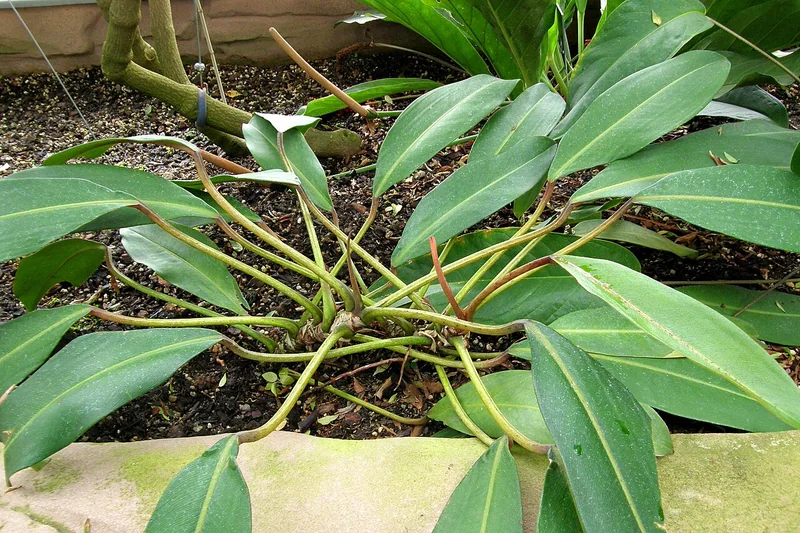
- Can trail or climb up to 10-15 feet (3-4.5 meters) in ideal conditions.
Overview
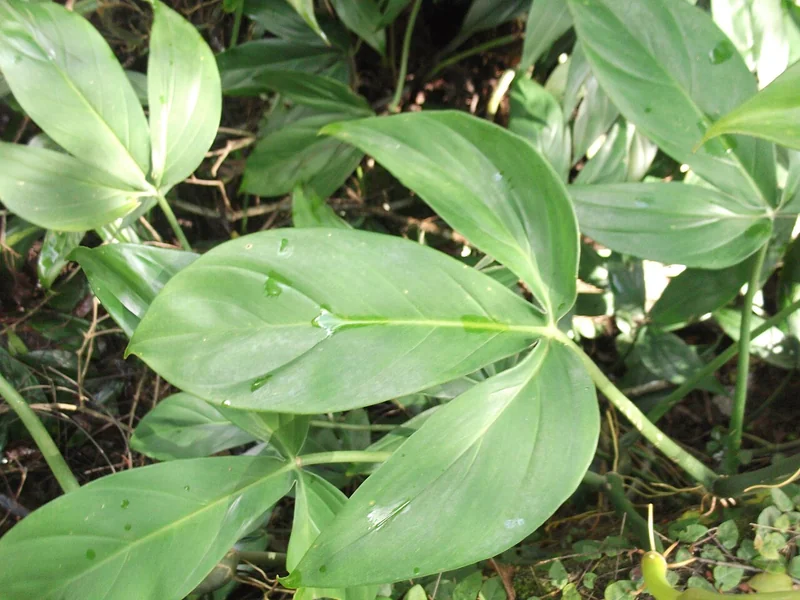
Philodendron elegans is a beautiful climbing or trailing aroid prized for its deeply incised, velvety leaves. Its elegant appearance makes it a standout in any indoor jungle. This plant is relatively easy to care for, provided its basic needs for light, water, and humidity are met.
Care Priorities
The most critical factors for Philodendron elegans are bright, indirect light and consistent moisture without waterlogging. Good humidity levels are also important for lush growth. Use a well-draining soil mix and fertilize moderately during the growing season.
Common Problems
Yellowing leaves can indicate overwatering or poor drainage. Brown, crispy leaf edges often suggest low humidity or inconsistent watering. Pests like spider mites and mealybugs can also be an issue; inspect your plant regularly and treat promptly.
Sources & further reading (2)
- encyclopedia — accessed 2026-04-24
- dataset — accessed 2026-04-24
Frequently asked questions
What kind of light does Philodendron elegans need?
It prefers bright, indirect light. Avoid direct sunlight, which can scorch its leaves.
How often should I water my Philodendron elegans?
Water when the top 1-2 inches of soil are dry. Allow excess water to drain away completely.
Why are my Philodendron elegans leaves turning yellow?
Yellow leaves are often a sign of overwatering or insufficient light. Check your watering schedule and ensure it's getting enough indirect light.
Can Philodendron elegans be grown in low light?
While it can tolerate lower light conditions, its growth will be slower and leaves may be smaller. Bright, indirect light is ideal for optimal growth and leaf development.