Philodendron davidsonii
Philodendron davidsonii Care Guide
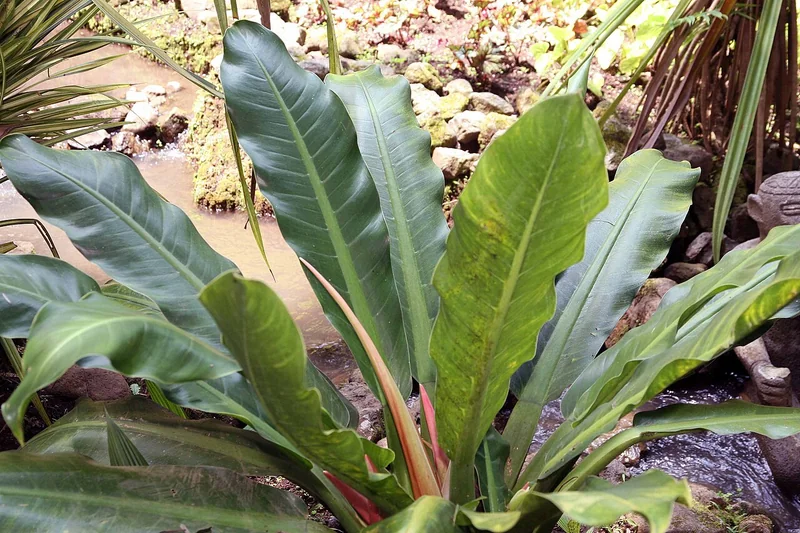 Featured photophilodendron-davidsonii.jpg
Philodendron davidsonii is a beautiful tropical plant known for its unique leaf shape. This guide will walk you through the essential care steps to ensure your plant flourishes indoors. Discover its light, water, and soil needs to create the perfect environment.
Care facts at a glance
- Light
- Bright indirect
- Water
- Water when the top 1-2 inches of soil feel dry to the touch.
- Humidity
- 50–70 %
- Temperature
- 18–24 °C
- Soil
- Use a well-draining potting mix, such as a blend of peat moss, perlite, and orchid bark.
- Origin
- Native to the rainforests of Ecuador.
- Mature size
- Up to 2-3 feet tall and wide indoors.
Overview
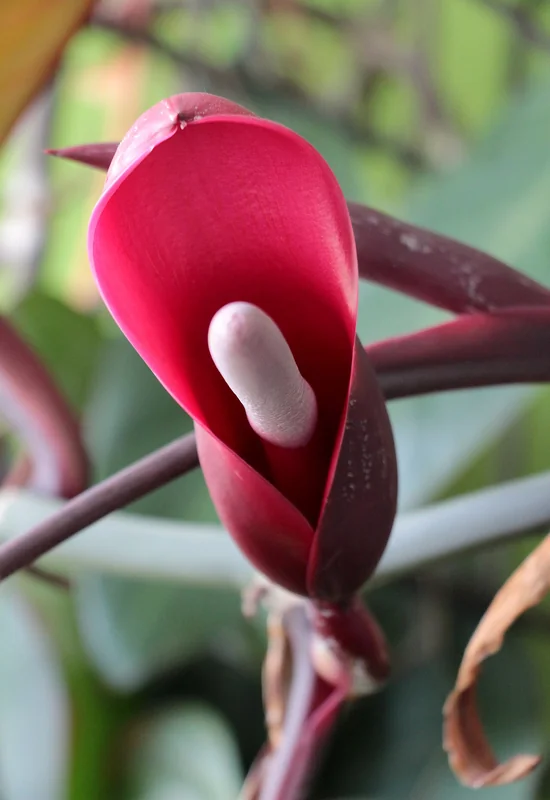
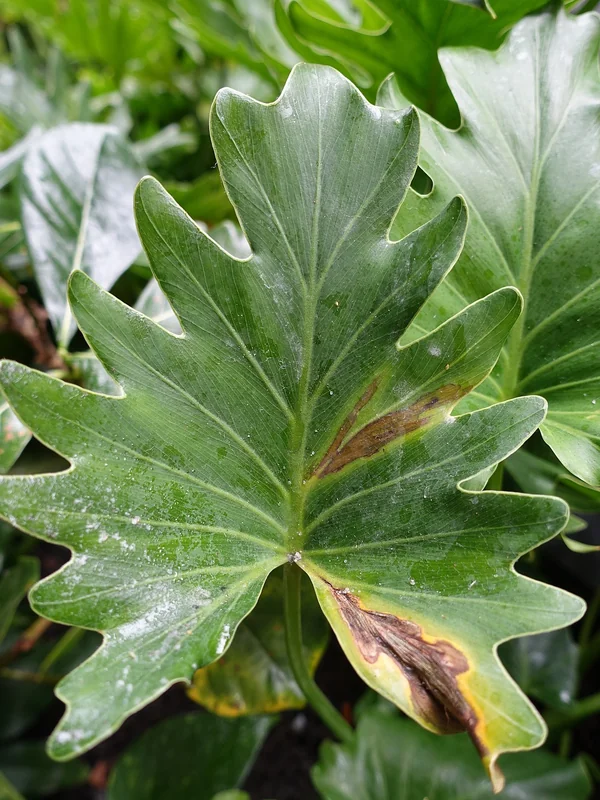
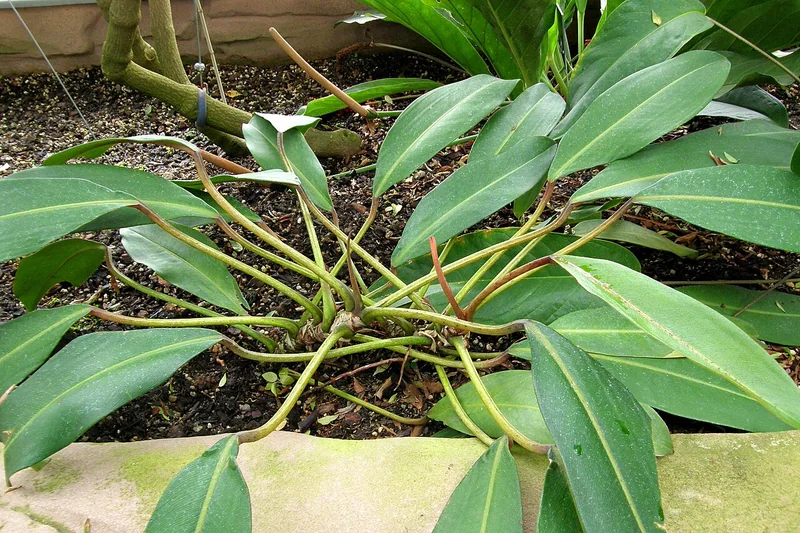
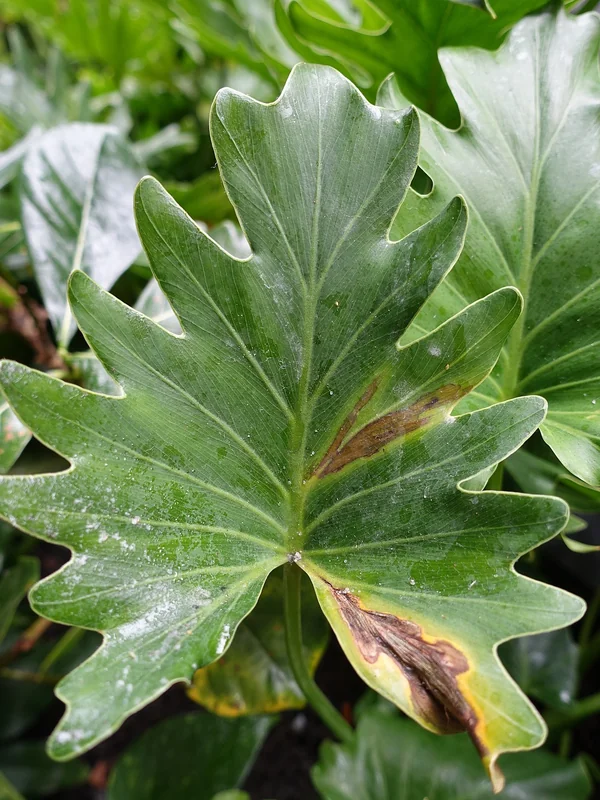
Philodendron davidsonii is an attractive aroid with deeply lobed leaves that resemble a fiddle-leaf fig. It's a climbing or trailing plant that can add a tropical flair to any indoor space. Native to Ecuador, it thrives in warm, humid conditions.
Care Priorities
Provide bright, indirect light to encourage healthy growth without scorching the leaves. Maintain consistent moisture in the soil, allowing it to dry slightly between waterings. High humidity is crucial for this tropical plant, so consider misting or using a humidifier.
Common Problems
Yellowing leaves can indicate overwatering or poor drainage. Brown, crispy leaf edges often suggest low humidity or inconsistent watering. Pests like spider mites and mealybugs can also be an issue if not managed promptly.
Sources & further reading (2)
- encyclopedia — accessed 2026-04-24
- dataset — accessed 2026-04-24
Frequently asked questions
What kind of light does Philodendron davidsonii need?
It prefers bright, indirect light. Avoid direct sunlight, which can scorch its leaves.
How often should I water my Philodendron davidsonii?
Water when the top 1-2 inches of soil feel dry. Allow excess water to drain away completely.
Why are the leaves on my Philodendron davidsonii turning yellow?
Yellow leaves are often a sign of overwatering or insufficient light. Check your watering schedule and ensure it's getting enough bright, indirect light.
Can I propagate Philodendron davidsonii?
Yes, you can propagate it through stem cuttings or air layering. Take cuttings with at least one leaf and a node, and root them in water or moist soil.