Philodendron callosum
Philodendron callosum Care Guide: Tropical Houseplant Tips
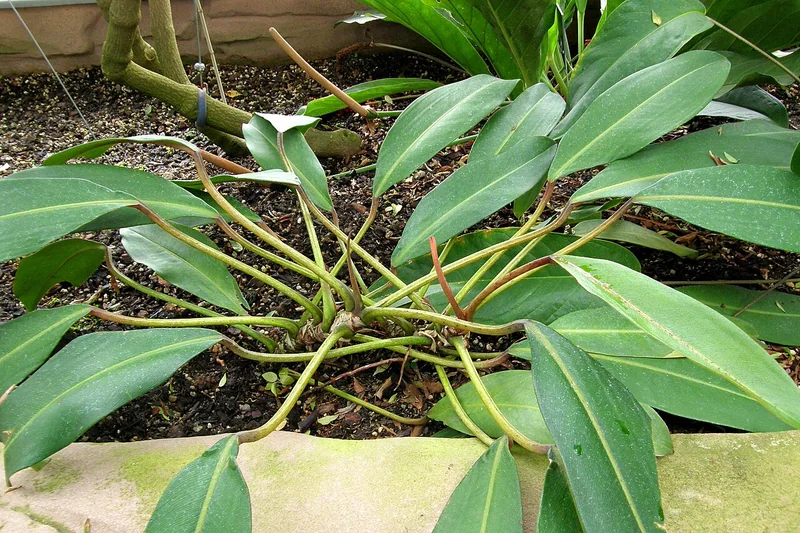 Featured photophilodendron-callosum.jpg
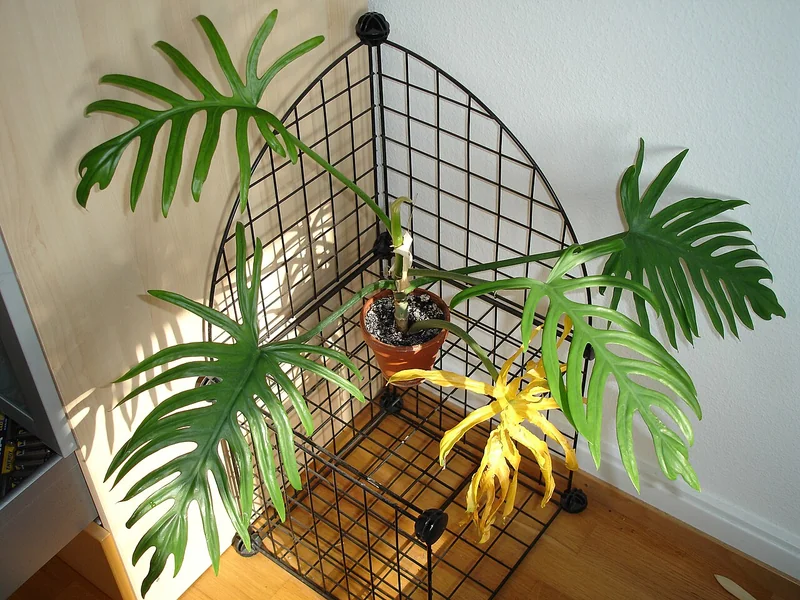
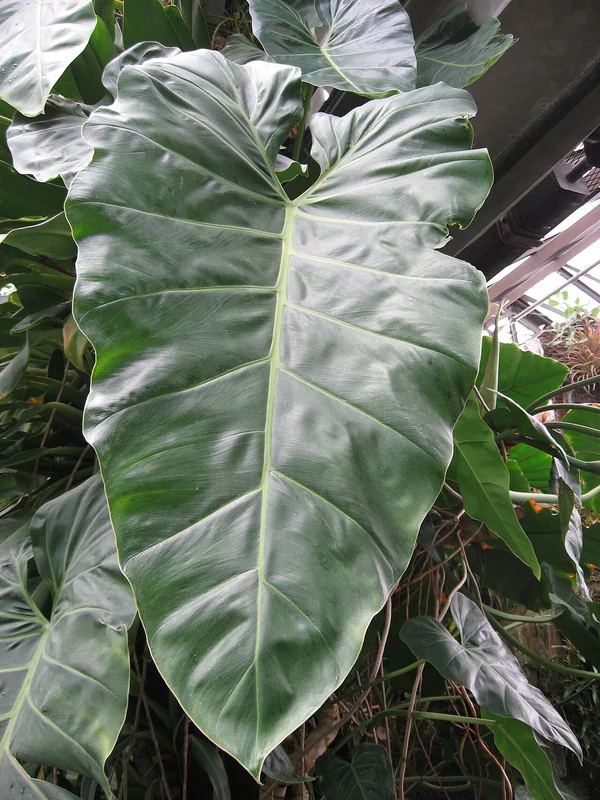
Philodendron callosum is a beautiful tropical plant known for its striking foliage. It's a relatively easy-care houseplant, making it suitable for many indoor gardeners. This guide will help you understand its needs for light, water, and humidity to ensure it grows healthy and vibrant. Providing the right conditions will encourage lush growth and a thriving plant.
Care facts at a glance
- Light
- Bright indirect
- Water
- Water when the top 1-2 inches of soil feel dry to the touch, ensuring the soil remains consistently moist but not waterlogged.
- Humidity
- 60–80 %
- Temperature
- 18–29 °C
- Soil
- Use a well-draining potting mix rich in organic matter. A good blend includes peat moss or coco coir, perlite or pumice for aeration, and orchid bark to ensure proper drainage and prevent waterlogging. This mimics its natural jungle floor environment.
- Origin
- Native to the tropical rainforests of northern South America, specifically found in countries like Venezuela, Guyana, and northern Brazil.
- Mature size
- Indoors, it can typically grow to 2-4 feet (0.6-1.2 meters) tall and wide, though it can grow larger in ideal conditions with support.
Overview
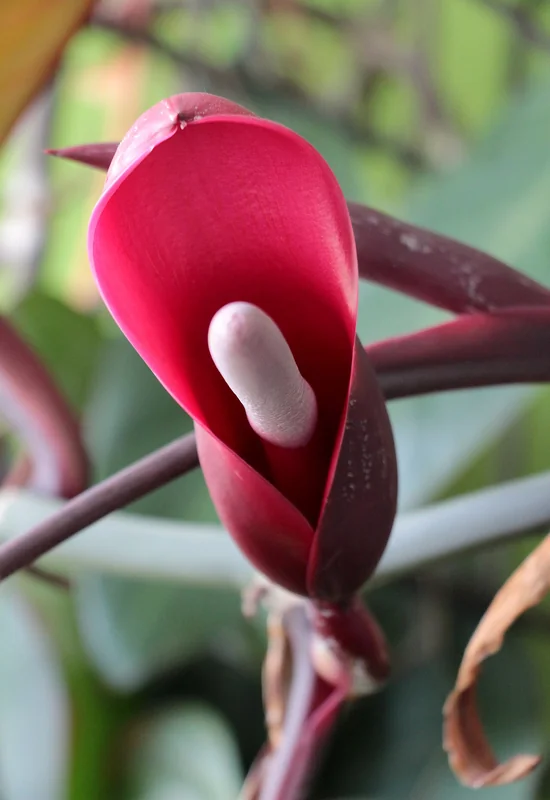
Philodendron callosum is a striking tropical plant from the Araceae family, known for its attractive foliage. It thrives in warm, humid environments, making it a popular choice for indoor cultivation. With its relatively straightforward care requirements, it can be a rewarding addition to any plant collection. This plant is native to the rainforests of northern South America.
Care Priorities
- Light: Provide bright, indirect light to prevent leaf scorch and encourage healthy growth.
- Water: Keep the soil consistently moist but never waterlogged; allow the top layer to dry between waterings.
- Humidity: High humidity is crucial for this tropical species. Consider a humidifier or pebble tray.
- Temperature: Maintain warm temperatures, ideally between 18-29°C (65-85°F), and avoid cold drafts.
Common Problems
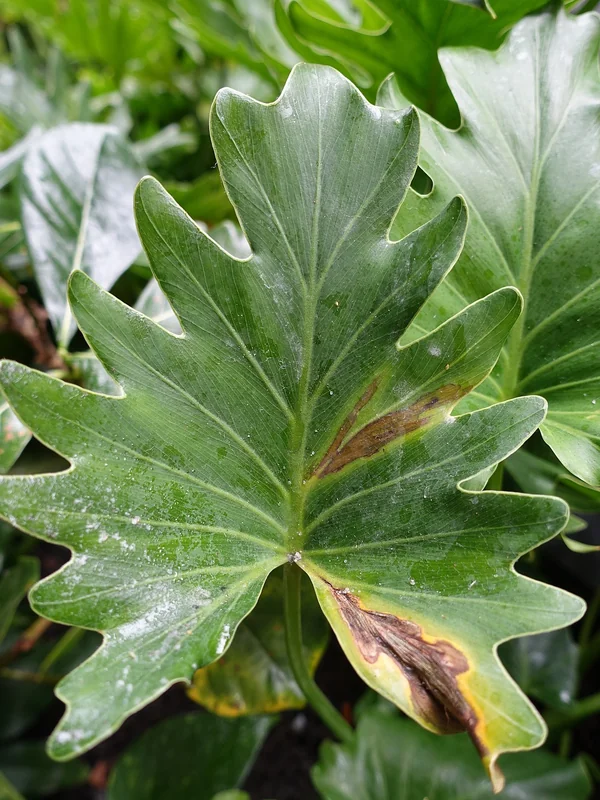
Overwatering is a frequent issue, leading to root rot and yellowing leaves. Insufficient humidity can cause brown leaf tips and edges, indicating the plant is stressed. Pests like spider mites and mealybugs can also appear, especially in dry conditions, so regular inspection and prompt treatment are key to keeping your plant healthy.
Sources & further reading (3)
- encyclopedia — accessed 2026-04-24
- dataset — accessed 2026-04-24
- botanical-garden — accessed 2024-04-24
Frequently asked questions
Why are my Philodendron callosum leaves turning yellow?
Yellowing leaves often indicate overwatering, which can lead to root rot. Ensure your plant is in well-draining soil and allow the top few inches to dry out before watering again. It can also be a sign of nutrient deficiency or too little light.
How do I increase humidity for my Philodendron callosum?
You can increase humidity by using a humidifier near the plant, placing it on a pebble tray filled with water (making sure the pot doesn't sit in water), or grouping it with other plants. Misting can offer temporary relief but is less effective long-term.
Can Philodendron callosum tolerate low light?
While Philodendron callosum can survive in lower light conditions, it will not thrive. Its growth will be slower, and leaves may become smaller or less vibrant. Bright, indirect light is best for robust growth and healthy foliage.