Amorphophallus paeoniifolius
Amorphophallus paeoniifolius Care Guide
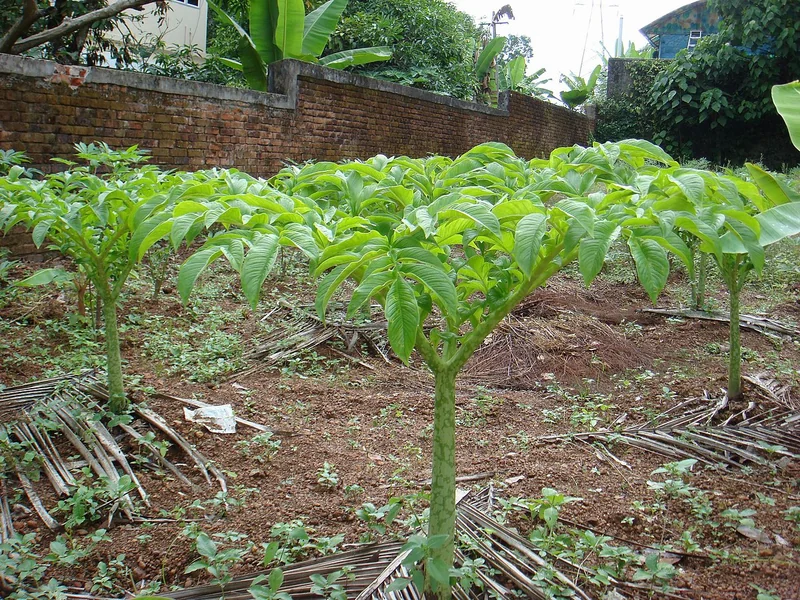 Featured photoamorphophallus-paeoniifolius.jpg
Amorphophallus paeoniifolius is a dramatic tropical aroid from South and Southeast Asia, growing from a very large, flattened corm to produce a single, enormous, deeply divided compound leaf on a stout, ornately mottled grey-green petiole. As a houseplant it is valued for its architectural impact — a single leaf can spread 1–2 m across on a 1 m petiole, creating a spectacular tropical statement. It requires summer growing conditions, full dormancy in winter, and a large pot. The spathe inflorescence produces a brief, strong, unpleasant odour to attract carrion fly pollinators.
Care facts at a glance
- Light
- Bright indirect
- Water
- Water generously every 5 to 7 days in the growing season; the large leaf transpires heavily. Withhold water completely in winter dormancy.
- Humidity
- 55–80 %
- Temperature
- 15–35 °C
- Soil
- Rich, moisture-retentive, free-draining mix: high-quality potting compost with 20% perlite and composted bark.
- Origin
- Tropical South and Southeast Asia — India, Sri Lanka, Thailand, Indonesia, Philippines, and Pacific Islands.
- Mature size
- Single leaf to 1.5–2 m spread on a 0.5–1.2 m petiole. Corm can exceed 30 cm diameter in old specimens.
Overview
Amorphophallus paeoniifolius (Dennst.) Nicolson was described in its current combination in 1967 but has been known in Asian cultivation for much longer under other names. It is one of the largest single-leaf aroids commonly available, with a deeply dissected, peony-like (hence paeoniifolius) compound leaf structure that can reach an impressive spread on a large corm. The mottled, greenish-grey petiole is ornamental in itself. Like other Amorphophallus species, it is thermogenic (generates heat) and produces an odour during brief spathe flowering to attract carrion flies. The flowering is a separate event from the leafing — the plant either flowers or produces a leaf in a given season, but rarely both simultaneously.
Care Priorities
- Store the dormant corm completely dry at 15–20 °C from October to March; do not water.
- Plant the corm in a large container (30–40 cm diameter minimum for a large corm) in spring, just as it begins to show the new shoot tip.
- The single leaf unfurls rapidly and requires significant space; ensure headroom and floor space are adequate before the growing season.
- The large leaf requires heavy watering and feeding during summer; a single leaf with maximum spread uses water at a rate comparable to a medium-sized shrub.
- Ensure the container is stable and weighted — the tall, heavy petiole makes top-heavy containers prone to tipping.
Common Problems
Corm rot from wet winter storage is the most common cause of loss; the corm must be completely dry over winter. A flowering spathe appearing instead of a leaf in spring is normal in some years — the flower produces a brief but strong odour (unpleasant, rotting-meat-like) for 1–3 days as it attracts pollinators; no action required, the leaf will follow in subsequent seasons. The large leaf attracting spider mites in dry indoor conditions is common; increase humidity or move outdoors in summer. If the leaf begins to yellow before normal autumn die-back, check for corm health — an unusually early collapse can indicate root or corm damage.
Sources & further reading (2)
- botanical-garden — accessed 2026-05-27
- encyclopedia — accessed 2026-05-27
Frequently asked questions
Will it produce the stinky flower indoors?
Possibly — the spathe (flower structure) can appear in spring before or instead of the leaf, particularly in large, well-established corms. The odour is strong and unpleasant for 1–3 days (decomposing meat-like) but brief. Move the plant outdoors or to a ventilated space during the flowering event if the smell is problematic indoors.
How big can the corm get?
Large, old corms in the ground in tropical climates can exceed 30 cm diameter and weigh 5–10 kg. Container-grown specimens in temperate climates are smaller but can still reach 15–20 cm across after several seasons. The corm grows each year as long as the growing season is active and the plant is well-fed.
Can I grow it outdoors in summer?
Yes — in sheltered, partly shaded positions outdoors above 18 °C nights, the plant grows much more vigorously than indoors and can achieve its maximum leaf spread. The mottled petiole and dramatic divided leaf make it a spectacular seasonal outdoor tropical display. Bring the corm indoors before the first frost.