Canis lupus familiaris
Patterdale Terrier
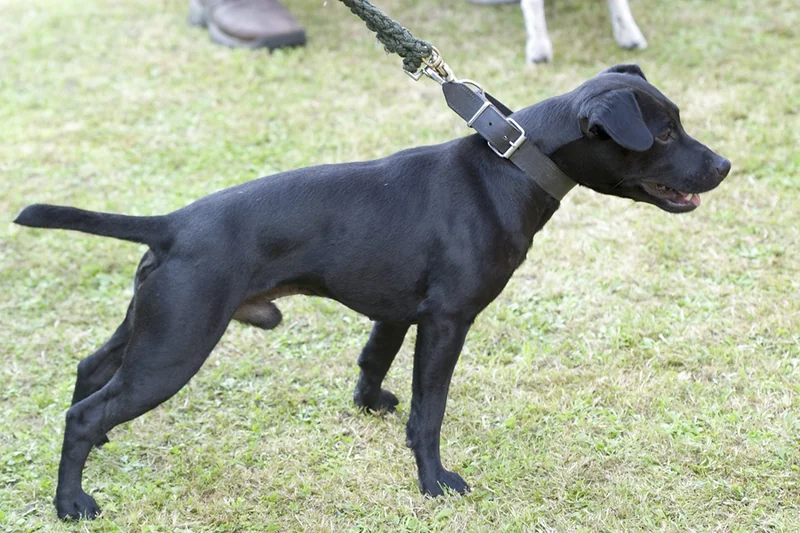 Featured photopatterdale-terrier.jpg
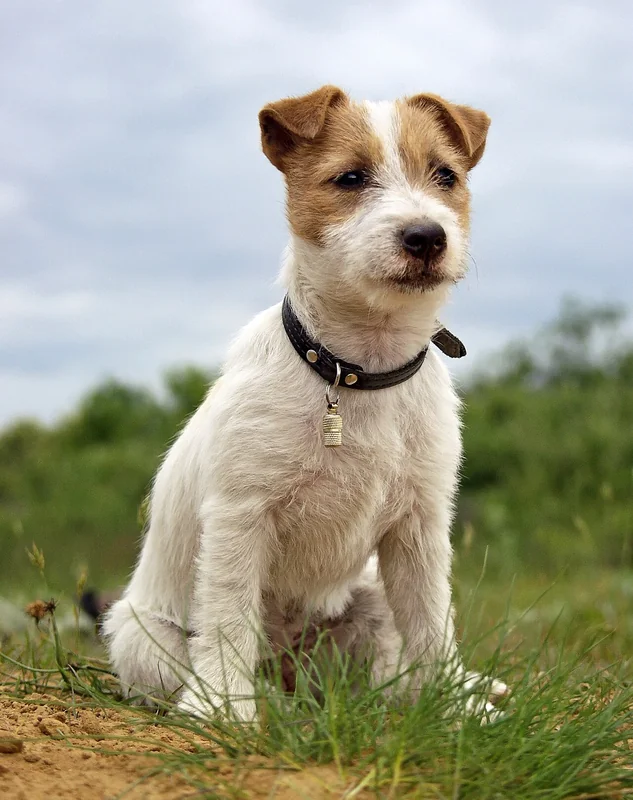
The Patterdale Terrier is a small, robust working terrier developed in the Patterdale valley and wider Lake District of Cumbria in northern England, bred specifically for going to ground after fox in the rocky, mountainous fell terrain where standard terrier builds struggle. The breed is named for the village of Patterdale. The UKC recognised the Patterdale Terrier in 1995; the FCI and AKC have not granted recognition. Males stand 25–38 cm.
Quick facts
- AKC group
- Terrier
- Origin country
- England
- Origin period
- Early 20th century
- Coat type
- Short
- Coat colors
- Black, Red, Liver, Black and Tan, Grizzle
- Average lifespan
- 11-13 years
- Recognition
- UKC 1995
Origin
The Patterdale Terrier was developed by fell huntsmen in the Lake District — the mountainous region of Cumbria in northwestern England — in the first half of the 20th century. The terrain of the Cumbrian fells differs radically from the soil earths of lowland England: foxes denned in deep, narrow crevices between boulders and in rocky gill bottoms. Standard terrier builds — wider in the chest than the Patterdale — could not follow foxes through these narrow passages. Fell huntsmen selected for the smallest, most flexible chest size combined with the gameness and physical hardness required to work underground in cold, wet conditions. Cyril Breay of Bampton is generally credited with standardising the modern type from Fell Terrier stock in the mid-20th century.
Recognition
The Patterdale Terrier is not recognised by the AKC, Kennel Club (UK), or FCI. The UKC registered the breed in 1995, providing the first formal registry. The breed is maintained primarily by working-terrier enthusiasts in the UK, the United States, and Canada, where it is used for hunting fox, groundhog, and other burrowing animals. Several national working-terrier organisations in the UK recognise the breed, including the Fell and Moorland Working Terrier Club.
Standard
There is no single FCI or AKC standard for the Patterdale Terrier. The UKC standard and the working-terrier community's consensus describes a small, compact, powerful terrier — notably narrow in the chest (spannable with two hands behind the front legs), with a strong neck, a hard-muscled body, and short legs. The coat can be smooth, broken (mixed), or rough (wirehaired). The most common colour is black (which gives the breed its alternative name 'Black Fell Terrier'); red, liver, black and tan, and grizzle are also found. Males stand 25–38 cm and weigh approximately 5–6 kg.
Sources & further reading (3)
- kennel-club-registry — accessed 2026-05-27
- encyclopedia — accessed 2026-05-27
- breed-club — accessed 2026-05-27
Frequently asked questions
Is the Patterdale Terrier AKC or Kennel Club recognised?
The Patterdale Terrier is not recognised by the AKC, the Kennel Club (UK), or the FCI. The UKC registered the breed in 1995. The breed is maintained primarily by working-terrier enthusiasts and is relatively common in the northern United States and Canada as a hunting terrier, as well as in the UK where it remains a working fell-terrier breed.
Where does the Patterdale Terrier come from?
The Patterdale Terrier was developed in the Lake District of Cumbria, northwestern England, and is named for the village of Patterdale in the Ullswater valley. The breed was created by fell huntsmen who needed a terrier capable of working in the rocky, boulder-strewn terrain of the Cumbrian fells, where the narrow rock crevices used by foxes as dens required a smaller, more flexible terrier than standard varieties.
Who is credited with developing the Patterdale Terrier?
Cyril Breay (1904–1982) of Bampton, Cumbria, is generally credited with standardising the modern Patterdale Terrier type. He developed his line from the Fell Terrier stock kept by Lake District huntsmen over several decades, breeding for the combination of narrow chest, hard constitution, and working gameness necessary for fell hunting. Frank Buck of Rydal is also cited as an influential early breeder of the type.