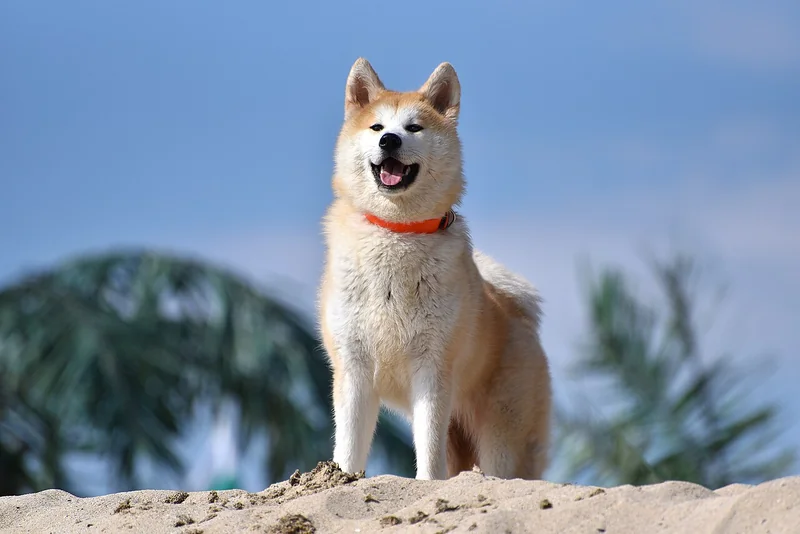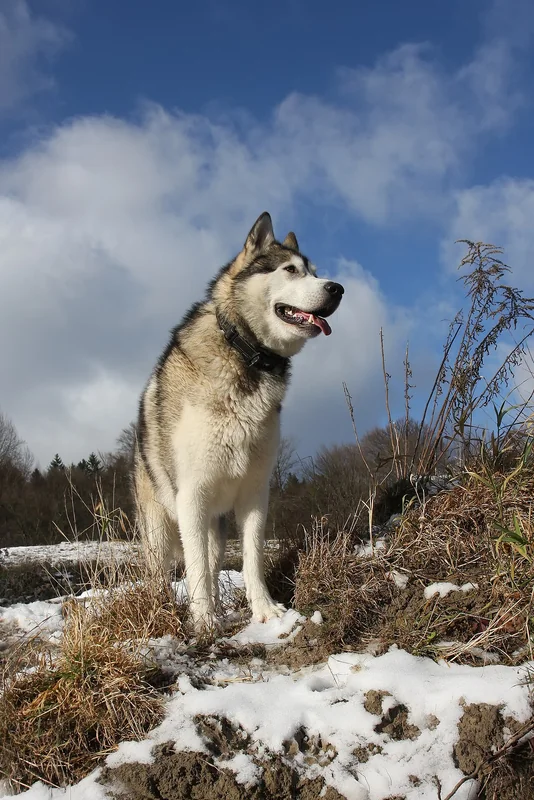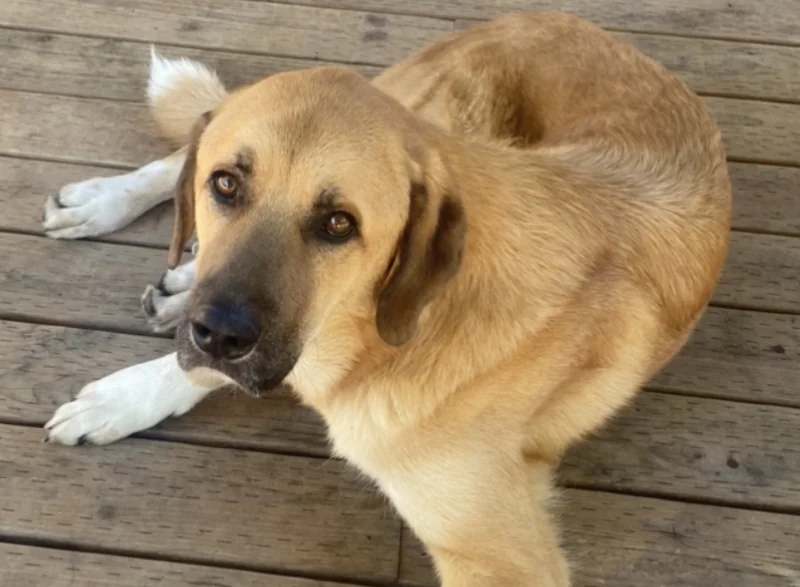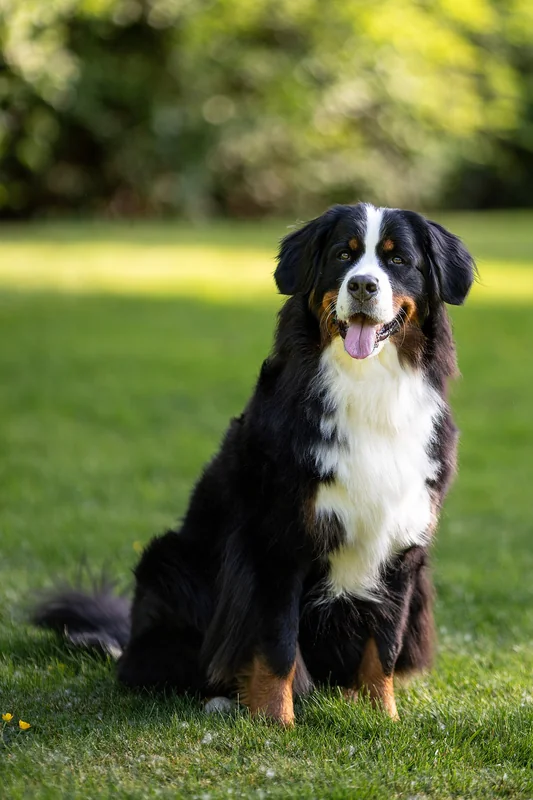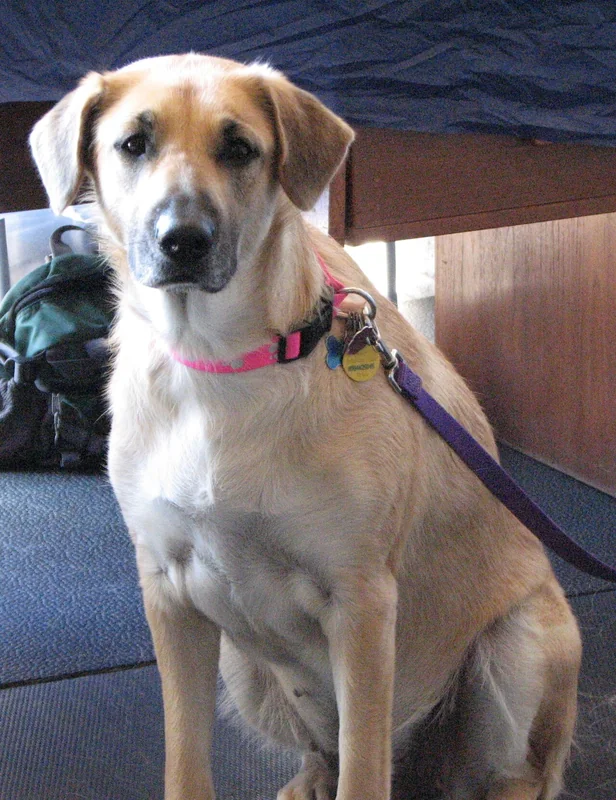
The Chinook is a rare American sled dog developed in New Hampshire in the early 20th century by Arthur Treadwell Walden. The breed traces to a single tawny male puppy named Chinook, born in 1917 from a Mastiff-type farm dog and a Greenland Husky mix. The Chinook joined the Byrd Antarctic Expedition of 1929 and nearly disappeared by the 1980s, with only 11 breedable individuals remaining in 1981. The AKC admitted it in 2013. It is New Hampshire's official state dog. Males stand 61–68 cm.
Quick facts
- AKC group
- Working
- Origin country
- United States
- Origin period
- Early 20th century
- Coat type
- Double
- Coat colors
- Tawny, Fawn, Pale Gold
- Average lifespan
- 12-15 years
- Recognition
- AKC 2013 · UKC 1991
Origin
Arthur Treadwell Walden, who had driven dog teams during the Klondike Gold Rush, settled in Wonalancet, New Hampshire, and began selectively breeding sled dogs in the early 1900s. His most important cross, produced around 1917, combined a large tawny farm dog believed to be of Mastiff or Saint Bernard type with a mixed female of Greenland Husky and Belgian Sheepdog background. The single tawny male puppy named Chinook proved to be an exceptional sled dog — large, powerful, fast, and tractable — and became the foundation sire of the entire breed.
Recognition
The Chinook entered the Guinness Book of World Records in 1965 as the rarest dog breed in the world, with only 125 individuals known to exist. Perry Greene of Maine maintained the breed through the critical 1960s–70s period; by 1981 only 11 breedable Chinooks remained. Conservation breeding efforts restored the population during the 1980s–90s. The UKC recognised the breed in 1991. New Hampshire designated the Chinook as its official state dog in 2009. The AKC admitted it to the Miscellaneous Class in 2010 and granted full Working Group recognition in 2013.
Standard
The AKC standard describes a medium-to-large, well-muscled, moderate sled dog with a balanced build that is neither too heavy nor too light for efficient pulling on long distances. The coat is double — a medium-length, dense, coarse outer coat over a soft, thick undercoat. The colour is tawny, ranging from a honey colour to reddish-gold; dark markings above the eyes and on the ears are the norm. Males stand 61–68 cm and weigh 29–41 kg; females 55–64 cm and 25–34 kg.
Sources & further reading (3)
- kennel-club-registry — accessed 2026-05-07
- encyclopedia — accessed 2026-05-07
- kennel-club-registry — accessed 2026-05-07
Frequently asked questions
What AKC group does the Chinook belong to?
The AKC places the Chinook in the Working Group. The breed was developed as a sled dog — a category of large, strong working dogs used to pull sleds across snowy terrain. The Chinook, along with the Alaskan Malamute and Siberian Husky, is classified in the Working Group because of its historical function as a draught animal rather than a hunting or herding dog.
Why is the Chinook a rare breed?
The Chinook nearly became extinct in the 1980s, with only 11 breedable individuals known worldwide by 1981. The breed's small founding population — all specimens trace to a single male dog named Chinook, born in 1917 — created a genetic bottleneck. After Arthur Walden's death, organized breeding lapsed. Conservation efforts led by Perry Greene of Maine and later by a network of breeders in the 1980s restored the population, but the Chinook remains one of the rarest AKC-recognised breeds.
What is the Chinook's connection to the Byrd Antarctic Expedition?
The Chinook breed gained international recognition when Arthur Walden served as head dog driver on Rear Admiral Richard Byrd's first Antarctic Expedition of 1929. Walden brought a team of Chinook sled dogs — including a 12-year-old Chinook, the foundation sire, who disappeared during the expedition and was never found. The expedition's success helped establish the Chinook's reputation as a powerful, capable sled dog suited to polar conditions.