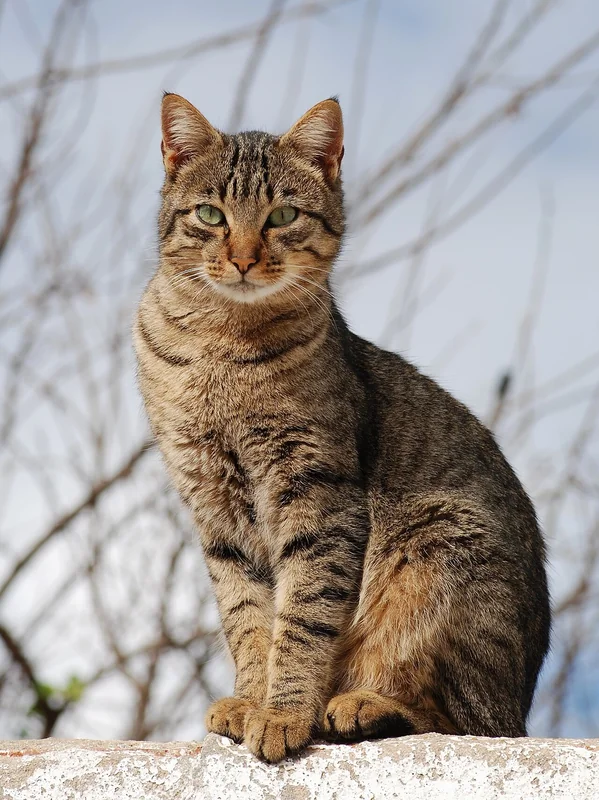
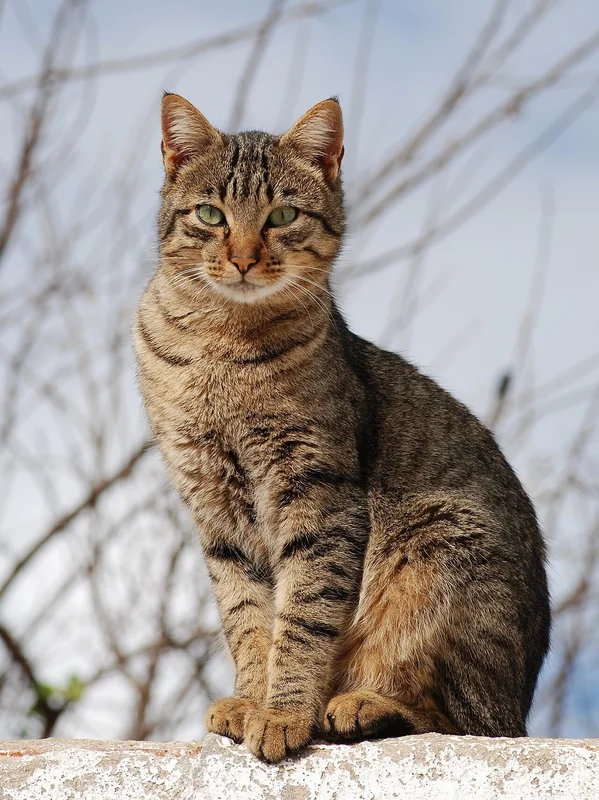
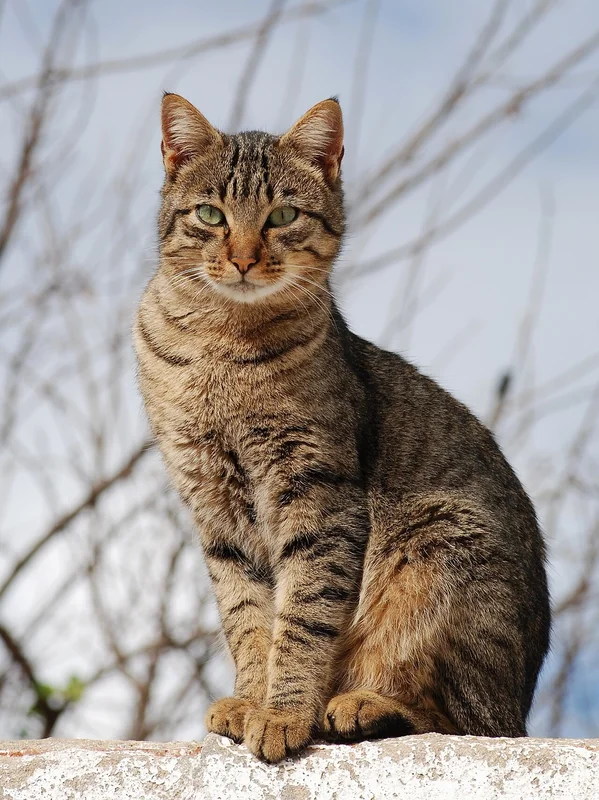
Felis catus
Poodle Cat
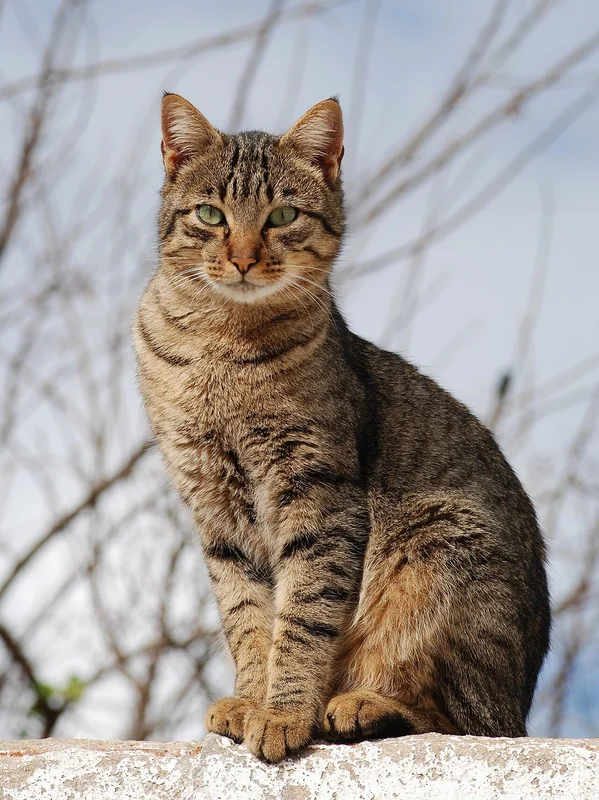 Featured photopoodle-cat.jpg
The Poodle Cat (Pudelkatze in German) is an experimental cat breed developed in Germany in 1987 combining the Devon Rex's curly coat with the Scottish Fold's folded ears. The combination of two distinctive mutation traits produces a cat with both the wavy, loosely curled Devon Rex-type coat and the forward-folding ears of the Scottish Fold. The breed is experimental and not recognized by major international registries; welfare concerns about the Scottish Fold's osteochondrodysplasia risk apply to the Poodle Cat as well.
Quick facts
- Origin country
- Germany
- Origin period
- Developed Germany 1987; experimental, not formally recognized
- Coat type
- Curly
- Coat colors
- All colors and patterns accepted
- Size category
- Medium
- Average lifespan
- 10-13 years
- Recognition
- —
Origin
The Poodle Cat was developed in Germany in 1987 by Dr. Rosemarie Wolf through crosses of Scottish Fold and Devon Rex cats. The two parent breeds each carry distinctive mutations: the Scottish Fold's Fd gene causes the ear cartilage to fold forward; the Devon Rex's re gene affects the hair structure, producing the short, wavy, loosely curled coat. Kittens carrying both mutations have folded ears and a curly coat, combining both traits. The name Pudelkatze (German: Poodle Cat) references the resemblance of the curly coat to the Poodle breed of dogs. The breed was shown in Germany but did not achieve formal registry recognition.
Welfare Concerns
The Scottish Fold component of the Poodle Cat's genetics introduces the same osteochondrodysplasia risk present in all Scottish Fold-derived breeds. Cats carrying two copies of the Fd gene develop severe, progressive skeletal disease. Responsible Poodle Cat breeding (if conducted) would require pairing a Fold cat with a straight-eared partner to prevent homozygous Fold kittens. Some registries decline to recognize Fold-derived breeds due to welfare concerns; this extends to the Poodle Cat as a Fold-cross. The Devon Rex component does not introduce known systemic health concerns.
Appearance
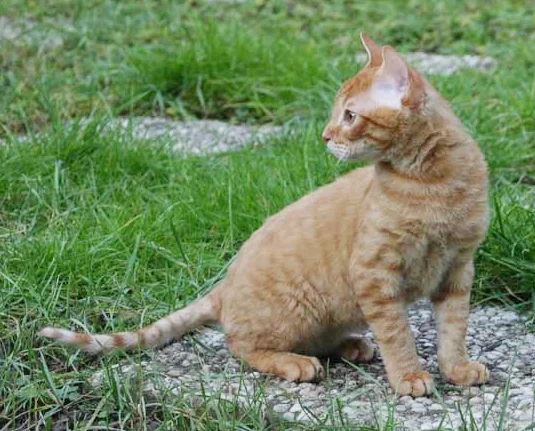
The Poodle Cat has a medium-sized, slightly cobby body reflecting both parent breeds. The ears fold forward like a Scottish Fold's; the coat is wavy to loosely curled like a Devon Rex's but may be slightly longer. The overall impression is of a rounded cat with forward-folded ears and a textured, loosely waved coat. All colors and patterns are accepted, reflecting the diverse color genetics of both parent breeds. The breed is rare and not commonly seen outside Germany.
Sources & further reading (2)
- encyclopedia — accessed 2026-05-07
- encyclopedia — accessed 2026-05-07
Frequently asked questions
Why is the Poodle Cat called a Poodle Cat?
The name Poodle Cat (Pudelkatze in German) references the breed's curly coat, which resembles the characteristic curly coat of the Poodle dog breed. The wavy, loosely curled Devon Rex-type coat combined with the cat's rounded appearance prompted this comparison when the breed was first developed in Germany in 1987.
Is the Poodle Cat recognized by major cat registries?
The Poodle Cat is not recognized by CFA, TICA, GCCF, FIFe, or VDH as of 2026. It was presented at German cat shows in the late 1980s and 1990s but did not advance to formal recognition. Welfare concerns about the Scottish Fold's osteochondrodysplasia risk are among the reasons some organizations would not support recognition of Fold-cross breeds.
Does the Poodle Cat have the same skeletal risks as the Scottish Fold?
The Scottish Fold component introduces the Fd gene and its associated osteochondrodysplasia risk. Cats homozygous for the Fd gene develop severe, progressive skeletal disease. Any Poodle Cat breeding program must account for this by pairing a Fold cat with a straight-eared partner. The risk and ethical concerns are the same as for Scottish Fold breeding.