Felis catus
German Longhair
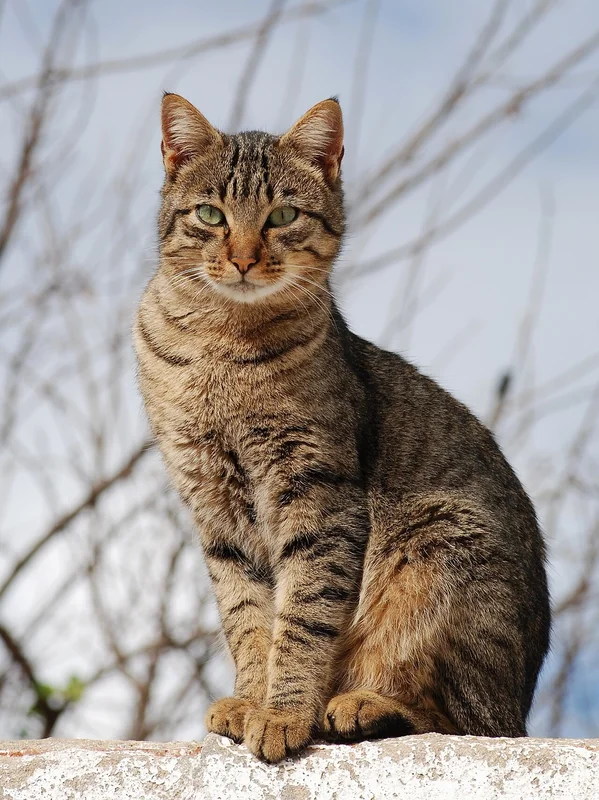 Featured photogerman-longhair.jpg
The German Longhair is a German cat breed with a standard first drafted by Friedrich Schwangart in 1929 and revived by the VDH (Verband Deutscher Katzenzuechter) in 1999. Related to the Persian and Angora in ancestry but with a moderate, less flat face and a naturally flowing coat without excessive grooming requirements, the German Longhair was nearly lost during the 20th century before reconstruction efforts restored a viable breeding population.
Quick facts
- Origin country
- Germany
- Origin period
- Breed standard 1929; breed revived and VDH recognition 1999
- Coat type
- Long
- Coat colors
- All colors and patterns accepted except pointed (colorpoint), Solid, Tabby, Bicolor, Smoke
- Size category
- Medium
- Average lifespan
- 12-16 years
- Recognition
- —
Origin and History
The German Longhair descends from the longhaired domestic cats that existed in central Europe before the extreme flat-faced Persian type became dominant in the early 20th century. Friedrich Schwangart documented the type in 1929 and published a standard describing a moderate-profile, longer-muzzled longhaired cat. The breed was not formally developed during the early-to-mid 20th century and nearly disappeared as a recognized type. Reinhilde Doll's reconstruction program in the 1990s gathered longhaired cats of European background matching the 1929 standard and established a small but growing breeding population. VDH formal recognition followed in 1999.
Recognition
The German Longhair is recognized by the VDH (Verband Deutscher Katzenzuechter), Germany's primary cat registry and a member of FIFe. FIFe international recognition for the German Longhair was under review as of 2026 but had not been fully granted. CFA, TICA, and GCCF do not maintain registrations for the German Longhair. The breed is primarily kept in Germany and neighboring German-speaking countries.
Appearance
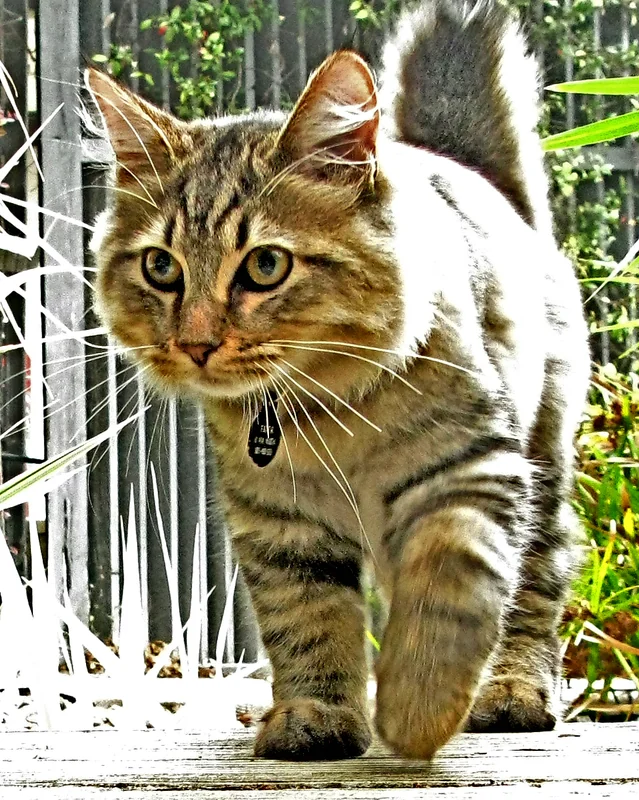
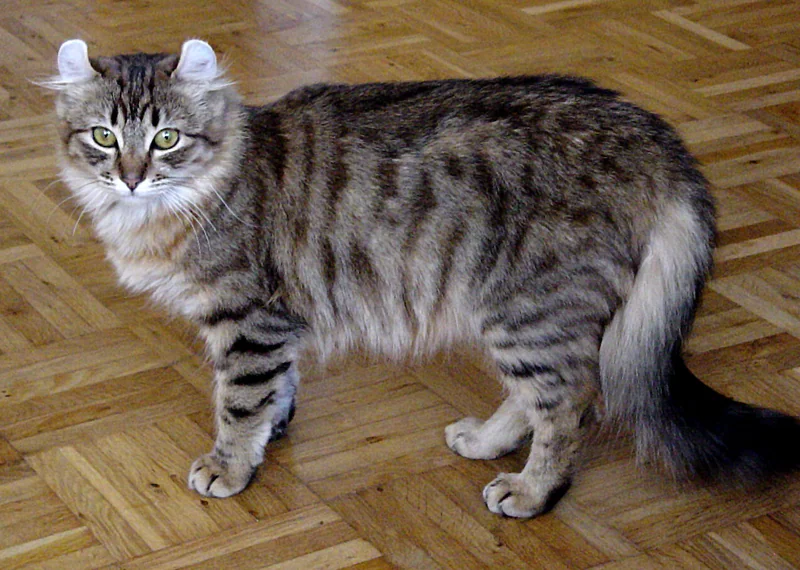
The German Longhair standard describes a cat of moderate type: a medium-to-large cat with a slightly rounded head of moderate proportions; a clear profile with a slight stop but no flattening; medium to large ears with tufts; and large, round to slightly oval eyes. The muzzle is broader and longer than a Persian's. The coat is long, silky, and flowing with a dense undercoat; it is naturally manageable compared to the extreme Persian coat. The tail is a full plume. All colors and patterns are accepted except colorpoint; the coat's natural length and quality is emphasized over color in the breed standard.
Sources & further reading (2)
- encyclopedia — accessed 2026-05-07
- registry-breed-profile — accessed 2026-05-07
Frequently asked questions
Is the German Longhair the same as a longhaired European Shorthair?
No. The German Longhair has a documented breed standard from 1929 and a specific reconstruction program through VDH. While longhaired European domestic cats were part of the reconstruction foundation, the German Longhair is maintained as a distinct breed with its own standard, registration, and breeding program. A random-bred European longhaired cat would not be registered as a German Longhair without meeting the standard.
How does the German Longhair differ from the Persian?
The German Longhair has a moderate facial profile with a longer muzzle compared to the flat-faced (brachycephalic) Persian. The 1929 Schwangart standard specifically described a cat with a natural profile, not the increasingly flattened face that became fashionable in Persian breeding. The German Longhair coat is also slightly less dense and requires less intensive grooming than the show Persian coat.
Where is the German Longhair recognized?
The German Longhair is recognized by VDH in Germany. FIFe recognition was under consideration as of 2026. CFA, TICA, and GCCF do not maintain German Longhair registrations. The breed is primarily kept in Germany and has a small but dedicated breeding community.