Felis catus
Bohemian Rex
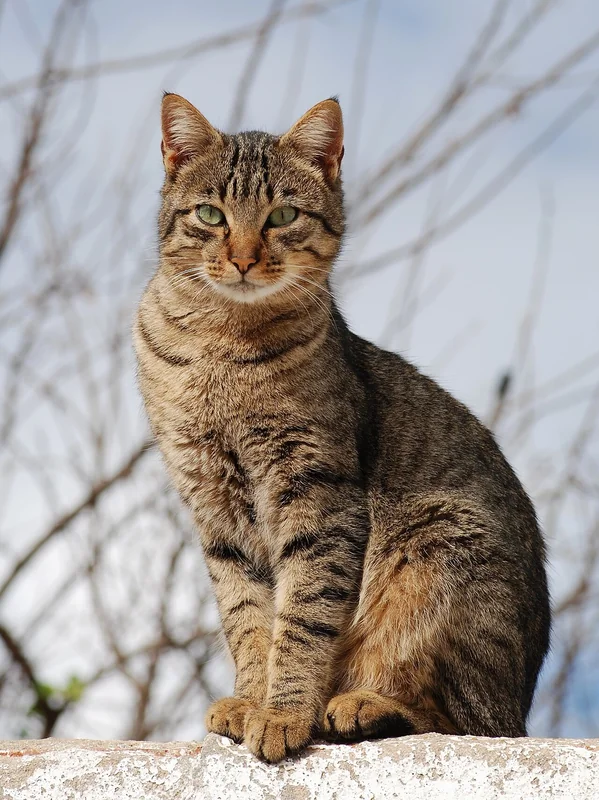 Featured photobohemian-rex.jpg
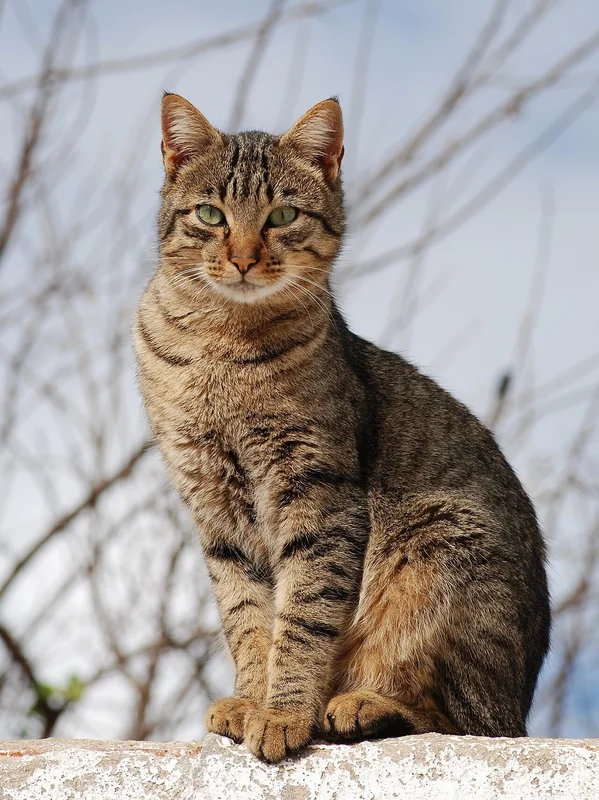
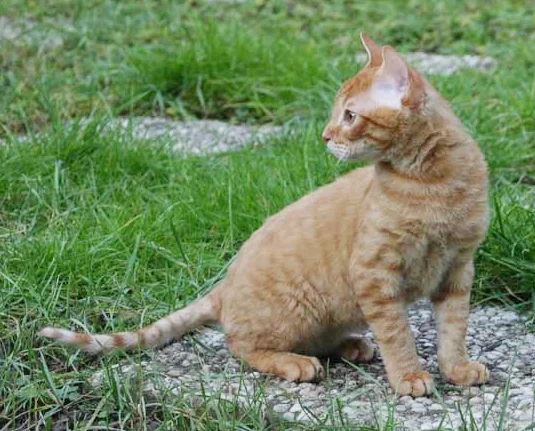
The Bohemian Rex is an experimental curly-coated cat breed first documented in the Czech Republic, carrying a Rex mutation distinct from all other known Rex alleles. Developed by Czech breeders from spontaneous curly-coated kittens found in Czech domestic cat populations, the breed is being developed within Czech and Central European cat fancier circles. It is not recognized by major international registries but represents a documented independent Rex mutation in Central European cat populations.
Quick facts
- Origin country
- Czech Republic
- Origin period
- First documented late 20th century, Czech Republic; breed in development
- Coat type
- Curly
- Coat colors
- All colors and patterns
- Size category
- Medium
- Average lifespan
- 12-15 years
- Recognition
- —
Origin
The Bohemian Rex arose from spontaneous Rex mutations in Czech domestic cat populations. Curly-coated kittens were identified by Czech breeders as carrying a heritable curly-coat trait. Genetic analysis indicated that the Bohemian Rex mutation is different from all other catalogued Rex alleles. Czech and Central European cat fancy organizations began documenting the breed and supporting selective breeding programs to establish a consistent type. The breed's development is ongoing, with Czech breeders working toward formal breed recognition.
Czech Rex Tradition
The Czech Republic and broader Central European region have been home to cat fancy traditions since the 19th century. The Bohemian Rex is the most recently documented Rex mutation from the Central European region. It joins the German Rex (first documented in 1930s Germany) as a European Rex mutation distinct from the British-origin Cornish and Devon Rex breeds. The independent emergence of Rex mutations in different European countries reflects the widespread occurrence of spontaneous coat-structure mutations in domestic cat populations.
Appearance
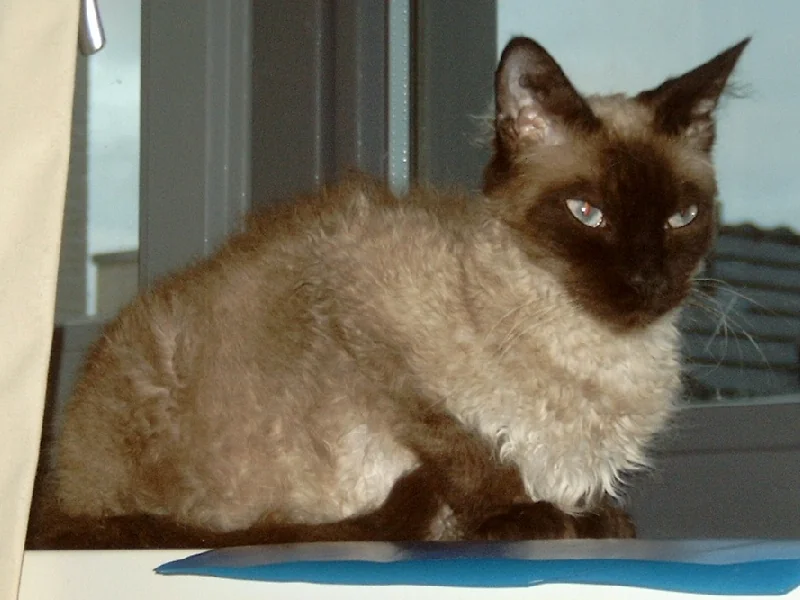
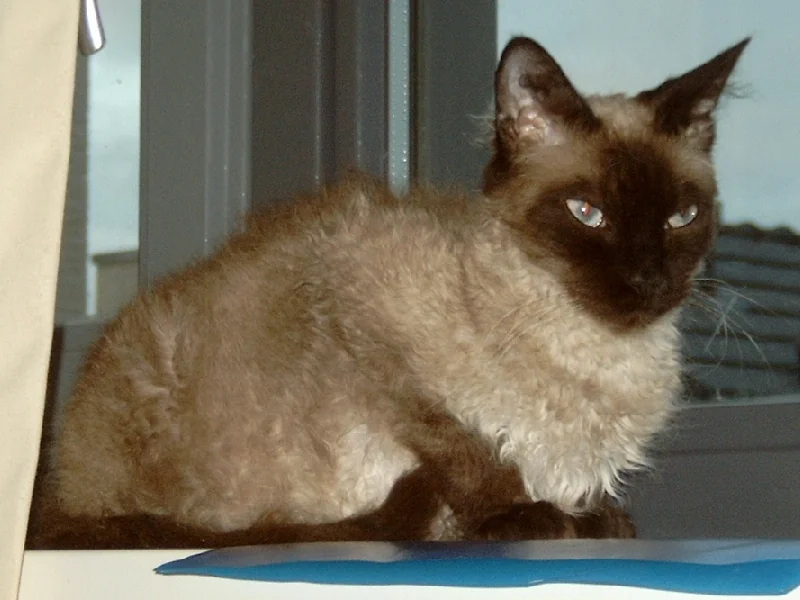
The Bohemian Rex is a medium-sized cat of moderate, semi-foreign type based on the Czech domestic cat population. The coat is curly or wavy, with the specific curl pattern reflecting the unique properties of the Bohemian Rex mutation. The whiskers are typically kinked or curled. The body type is not extreme in any direction. All colors and patterns are accepted. Because the breed is still in development, detailed conformation standards have not been fully finalized as of 2026.
Sources & further reading (2)
- encyclopedia — accessed 2026-05-07
- encyclopedia — accessed 2026-05-07
Frequently asked questions
Is the Bohemian Rex related to the German Rex?
Both are Central European Rex mutations, but they are genetically distinct. The German Rex (first documented in 1930s Germany) and the Bohemian Rex (Czech Republic) carry different mutations that both produce curly coats but at different genetic loci. The German Rex has been recognized by VDH in Germany; the Bohemian Rex is still in development without major registry recognition.
Is the Bohemian Rex recognized internationally?
As of 2026, the Bohemian Rex is not recognized by CFA, TICA, GCCF, or FIFe. It is being developed within Czech and Central European cat fancy circles. The breed's path to international recognition depends on establishing a sufficient breeding population and meeting the development requirements of international registries.
How is the Bohemian Rex mutation different from the Cornish Rex?
The Bohemian Rex and Cornish Rex carry different mutations at different genetic loci. The Cornish Rex mutation (CR gene) affects the hair shaft structure, eliminating guard hairs and producing the close-lying, tight curls characteristic of the Cornish Rex. The Bohemian Rex mutation is distinct from this allele, producing a different coat structure and curl pattern. Test crosses between the two breeds would produce straight-coated F1 kittens, confirming the mutations are at separate loci.